
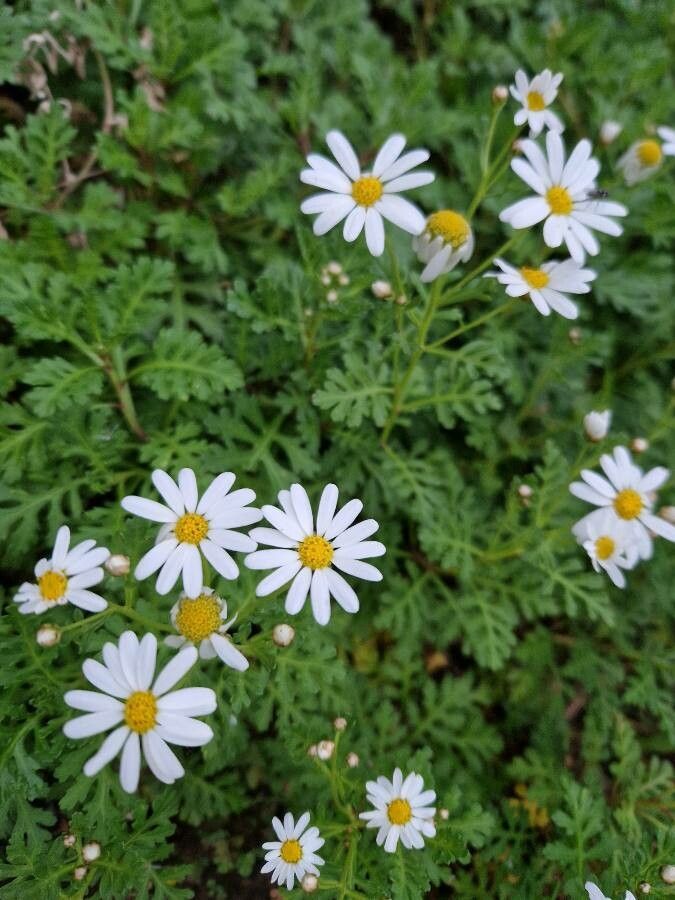
Propagating the Marguerite Daisy: A Gardener’s Guide to Argyranthemum hierrense
Argyranthemum hierrense, commonly known as the Marguerite daisy, is a captivating flowering plant cherished for its profuse, daisy-like blooms and its tolerance of various climates. Its long flowering season and vibrant colours make it a highly popular choice among gardeners. However, its propagation can present unique challenges, prompting a deeper look into the most effective techniques. This article explores several methods, weighing their benefits against their difficulties.
Seed Germination:
Currently, there are no known reliable methods for seed germination propagation of Argyranthemum hierrense. While some seeds may be produced, germination rates are extremely low and inconsistent. The plant’s complex genetics and reliance on other factors for successful reproduction make seed propagation impractical for the average gardener.
Cuttings:
This is the most reliable and widely practiced method for propagating Marguerite daisies.
Challenges: The biggest challenge lies in striking the right balance of humidity and warmth to prevent rotting while encouraging root development. Overwatering is a common pitfall.
Practical Tips: Take semi-hardwood cuttings (6-8 cm long) from healthy, non-flowering stems in spring or early summer. Remove lower leaves to prevent rotting. Dip the cut ends in rooting hormone powder. Plant the cuttings in a well-draining propagation mix (e.g., peat moss and perlite) and cover with a humidity dome or plastic bag to maintain high humidity. Place the cuttings in a warm, bright location (avoid direct sunlight). Mist regularly to maintain moisture. Rooting typically takes 4-6 weeks. Air circulation is key; ensure the humidity dome is vented occasionally and avoid stagnant conditions.
Rewards: High success rates and preservation of the parent plant’s desirable traits. This method is ideal for large-scale propagation for commercial growers and relatively straightforward for home gardeners.
Division:
Division is a viable method for established plants.
Challenges: Requires a mature, well-rooted plant with sufficient growth to allow for dividing without significant damage. Improper division can lead to weakened plants susceptible to disease.
Practical Tips: Divide the plant in spring or autumn, just before or after active growth. Carefully dig up the plant and gently separate the root ball into several sections, ensuring each section has healthy roots and stems. Replant the divisions immediately in well-prepared soil, ensuring they are properly watered.
Rewards: A quick and relatively simple method for increasing the number of plants. Provides a way to rejuvenate older plants.
Tissue Culture:
Tissue culture offers a high-potential method for large-scale, sterile propagation of Argyranthemum hierrense.
Challenges: This method requires specialized equipment, a sterile laboratory environment, and expert knowledge. It is far more costly and labour-intensive than other techniques, making it generally unsuitable for home gardeners.
Practical Tips: Not practical for the home gardener. Successful tissue culture requires a controlled environment and aseptic techniques. Small plant sections are cultivated in a nutrient-rich medium, inducing the growth of numerous new plantlets.
Rewards: Produces a large number of genetically identical plants, free from diseases. This method is particularly valuable for large-scale commercial production and preservation of rare varieties.
Conclusion:
Propagating Argyranthemum hierrense presents a unique set of challenges and rewards. While seed propagation is unreliable, cuttings offer a highly successful method for home gardeners. Division provides a simpler, yet plant-specific, option, while tissue culture serves as a powerful tool for large-scale production. The effort invested in successfully propagating these beautiful daisies, however, is richly rewarded by the vibrant display of colour and the satisfaction of nurturing life from a small cutting or division. Don’t be discouraged by initial setbacks; experiment and learn from each experience. The joy of seeing your propagated Marguerite daisies thrive is a testament to your dedication and horticultural skill.