
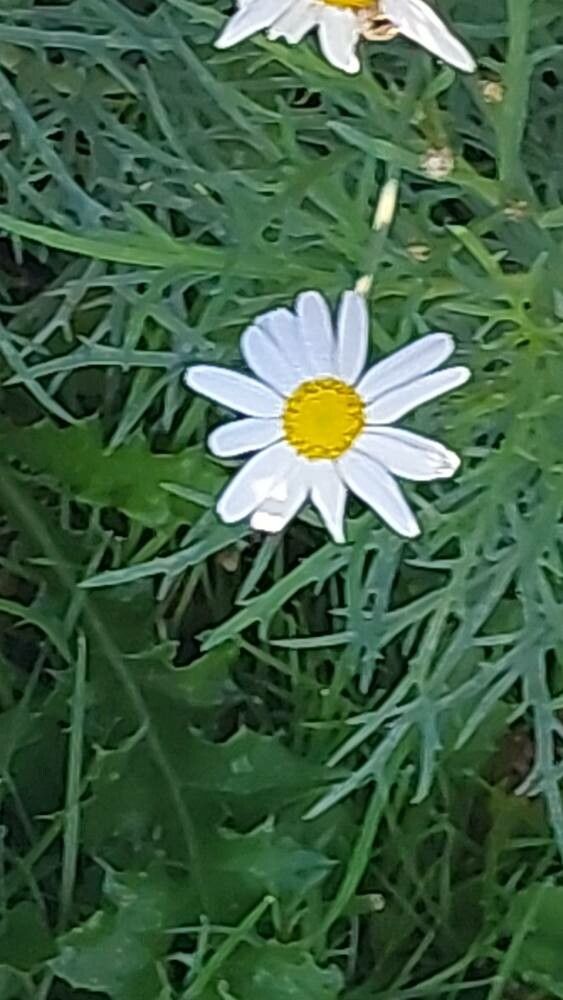
Propagating Argyranthemum foeniculaceum: A Guide to Cultivating the Coastal Marguerite
Argyranthemum foeniculaceum, commonly known as the Coastal Marguerite or Fennel-leaved Marguerite, is a captivating shrub native to the Canary Islands. Its finely divided, fern-like foliage and abundant sprays of bright daisy-like flowers, typically white or yellow, make it a highly sought-after addition to gardens, particularly in coastal regions with mild climates. Its tolerance of salt spray and wind adds to its horticultural significance, making it a popular choice for seaside gardens and containers. However, its propagation presents unique challenges and rewards, as we will explore in this article.
Seed Germination:
Currently, there are no known reliable methods for seed germination propagation of Argyranthemum foeniculaceum. While the plant does produce seeds, germination rates are exceptionally low, and seedlings often exhibit poor vigor and fail to accurately reflect the parent plant’s characteristics. Therefore, seed propagation is not a practical method for this species.
Cuttings:
Cuttings represent the most reliable and commonly used method for propagating Argyranthemum foeniculaceum.
-
Challenges: While relatively straightforward, success depends on proper timing and technique. Using semi-hardwood cuttings taken in late spring or early summer yields the best results. The cuttings need a consistently moist but well-drained environment to prevent rot, and the rooting hormone application is highly recommended.
-
Practical Tips: Take 4-6 inch cuttings from non-flowering stems, removing lower leaves to prevent fungal diseases. Dip the cut ends in rooting hormone powder before inserting them into a well-draining propagation mix (e.g., a peat-perlite mix). Maintain high humidity, either by using a propagation dome or misting regularly. Once roots develop (typically within 4-6 weeks), carefully transplant the rooted cuttings into individual pots.
- Rewards: Cuttings provide a reliable way to reproduce desired cultivars, ensuring that the new plants are genetically identical to the parent. It is relatively easy to perform, enabling propagation on a larger scale.
Division:
Division is another viable propagation method, particularly suitable for established, mature plants.
-
Challenges: This method will not quickly extend your stock like cuttings would. It requires careful handling to avoid damaging the root system. Overly enthusiastic division can stress the plant.
-
Practical Tips: Division is best performed in spring or autumn when the plant is actively growing but not flowering. Gently lift the plant from the ground, carefully separating it into smaller sections, ensuring each division has sufficient roots and shoots. Replant the divisions immediately, providing adequate watering and shade until they recover.
- Rewards: Division is a simple method if plants are large enough. It’s relatively quick and can create multiple plants from a single one.
Tissue Culture:
Tissue culture propagation offers considerable potential for Argyranthemum foeniculaceum, though it requires specialized skills and equipment.
-
Challenges: Establishing sterile conditions and managing the nutrient requirements within a tissue culture system are highly technical aspects requiring practice. Contamination is a significant risk. This method demands specific expertise and resources.
-
Practical Tips: The process involves taking small pieces of plant tissue (explants) and growing them aseptically on a nutrient agar medium. Sterilizing both the equipment and the explants is crucial to avoid contamination. The specific media composition and growth conditions would require experimentation to optimize for this species.
- Rewards: Tissue culture ensures disease-free and genetically identical plants. Large numbers of clones can be produced rapidly, offering the potential for the mass production of desirable cultivars.
Conclusion:
Propagating Argyranthemum foeniculaceum presents both hurdles and significant rewards. While seed propagation is ineffective, cuttings yield the most consistent and reliable results for the average gardener. Division is a simpler yet slower alternative, and tissue culture, while complex, holds immense potential for large-scale cultivation. Successfully propagating this charming plant, however achieved, offers a unique sense of accomplishment, a testament to patience, attention to detail, and a deep appreciation for the complexities of the natural world. To the aspiring propagator, I offer this encouragement: embrace the learning curve, persevere through setbacks, and revel in the beauty of your successful propagation.