
Propagating Argyranthemum pinnatifidum: A Gardener’s Guide
Introduction
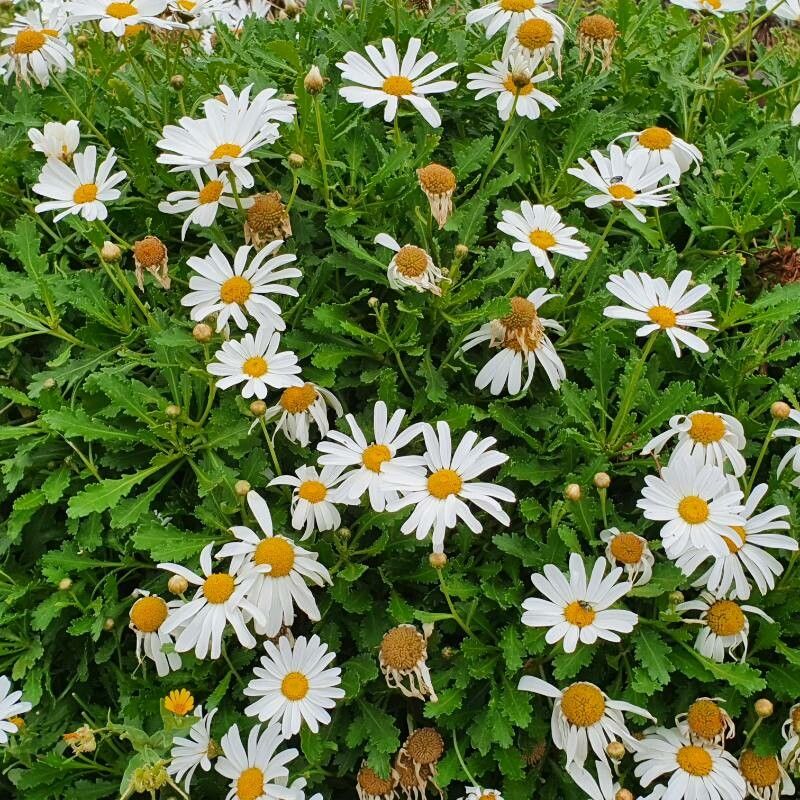
Argyranthemum pinnatifidum, also known as the Madeira Daisy or Marguerite Daisy, is a captivating flowering perennial prized for its delicate, fern-like foliage and abundant, daisy-like blooms. Its vibrant colours, ranging from white to yellow and various shades of pink, make it a popular choice for borders, containers, and hanging baskets. While readily available commercially, propagating Argyranthemum pinnatifidum offers gardeners a rewarding challenge and the satisfaction of nurturing plants from their own stock. Its relatively easy propagation through cuttings makes it a favourite among plant enthusiasts, though other methods offer both challenges and unique benefits.
Seed Germination
Currently, there are no known reliable methods for seed germination propagation of Argyranthemum pinnatifidum. While some seeds might germinate under ideal conditions, the process is highly unpredictable and rarely produces consistent results. Commercial propagation almost exclusively relies on vegetative methods.
Cuttings
-
Challenges: While relatively straightforward, timing is crucial for success. Using softwood or semi-hardwood cuttings taken from actively growing stems yields the best results. Overwatering or poor drainage can lead to rotting.
-
Tips: Take cuttings of approximately 10-15cm length, removing lower leaves to prevent rot. Dip the cut ends in rooting hormone powder before planting in a well-draining medium such as a mix of peat moss and perlite. Maintain high humidity and warmth (around 20-24°C) by covering the cuttings with a plastic bag or propagator lid. Mist regularly to prevent wilting.
- Rewards: Cuttings offer a simple way to quickly propagate numerous plants that are genetically identical to the parent plant, preserving desirable traits. It’s the most reliable and widely used method for the home gardener.
Division
-
Challenges: Division is most effective with established, mature plants. Dividing too early can weaken or kill the parent plant. Careful handling is essential to avoid damaging the root system.
-
Tips: Divide the plant in spring or autumn when it’s actively growing or beginning to slow down. Gently dig up the plant, carefully separate the root clumps ensuring each division has healthy roots and shoots. Replant the divisions in well-drained soil, spaced appropriately for their mature size.
- Rewards: Division offers a straightforward way to increase the number of plants while limiting the propagation time compared to growing from cuttings. It’s a less intensive method than cuttings and tissue culture.
Tissue Culture
-
Challenges: Tissue culture requires specialized equipment, sterile conditions, and a solid understanding of plant tissue techniques. It’s far more complex and expensive than other methods, requiring significant investment in laboratory equipment and supplies. It also carries the risk of contamination.
-
Tips: This method is best suited for large-scale commercial propagation or advanced hobbyists with the appropriate expertise and resources. Sterile techniques are crucial to prevent the growth of fungal or bacterial contaminations. Nutrient media and specific growth regulators are crucial for successful shoot multiplication and root development.
- Rewards: Tissue culture allows for very rapid multiplication of plants and is ideal for disease elimination, generating disease-free stock. It is the only method for large-scale propagation, offering possibilities for genetic manipulation and high levels of quality control.
Conclusion
Successfully propagating Argyranthemum pinnatifidum offers a unique blend of challenges and rewards. While seed germination is unreliable, cuttings provide a simple and effective method for the home gardener, while division offers a less labour-intensive, though less scalable technique. Tissue culture, while highly effective for large-scale production, remains beyond the reach of most home propagators. The unique satisfaction of nurturing these plants from cuttings or divisions, however, far outweighs the effort. The sight of these blossoming daisies, born from your own efforts, is a testament to the rewarding journey of plant propagation. So, embrace the challenge, experiment with the methods that best suit your skills and resources, and enjoy the beauty of your successfully propagated Argyranthemum pinnatifidum.