
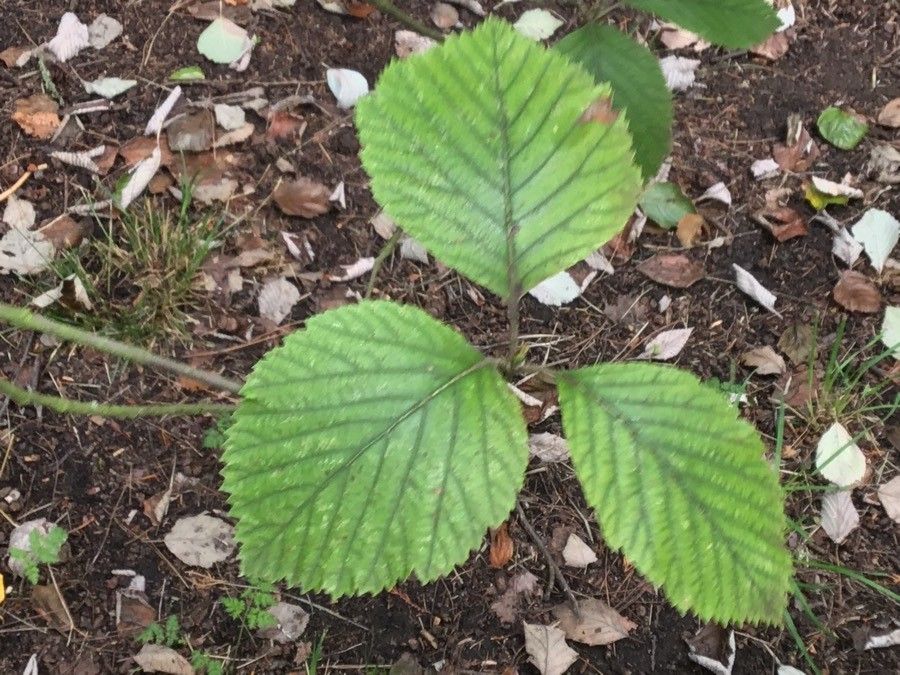
Propagating Aria eminens: A Gardener’s Guide to a Challenging but Rewarding Endeavor
Aria eminens, also known as the showy mountain ash or sometimes simply as mountain ash (though this common name is shared by many Sorbus species), is a captivating tree prized for its striking autumn foliage and abundant berries. Its elegant form and adaptability to various climates have made it a favorite among gardeners, particularly those seeking visually stunning specimens for their landscapes. However, propagating Aria eminens presents unique challenges, making successful cultivation all the more rewarding.
Seed Germination:
Currently, there are no known reliable methods for seed germination propagation of Aria eminens. While seeds are produced, their germination rate is notoriously low, likely due to a combination of factors including dormancy mechanisms and susceptibility to fungal diseases. Attempts at scarification, stratification, or pre-treatments have yielded limited success in published literature and anecdotal accounts.
Cuttings:
Propagating Aria eminens from cuttings presents a more promising, albeit still challenging, method than seed germination.
Challenges: Hardwood cuttings are generally more successful than softwood cuttings. However, even with hardwood cuttings, rooting success rates are often low. This is due to the slow rooting ability of the species and susceptibility to fungal infections before rooting occurs.
Practical Tips: Use 6-8 inch long hardwood cuttings taken in late autumn or early winter from mature, healthy branches. Treat the base of the cutting with a rooting hormone powder. Plant the cuttings in a well-draining medium, such as a mix of peat moss and perlite, maintaining consistently moist (but not soggy) conditions under mist or in a humid propagator. Patience is key; root development can take several months.
Rewards: Successfully rooted cuttings offer a quicker path to a mature plant compared to other methods and accurately replicate the parent plant’s characteristics.
Division:
Division is generally not a viable propagation method for Aria eminens. As a tree, the plant is not naturally divided into easily separable portions like some herbaceous perennials.
Tissue Culture:
Tissue culture offers a potential avenue for large-scale propagation of Aria eminens.
Challenges: Establishing a sterile protocol suitable for Aria eminens requires specialized knowledge and laboratory facilities. The development of appropriate growth media and the selection of suitable explant material are crucial steps which can necessitate considerable experimentation.
Practical Tips: Successful tissue culture would involve selecting healthy, young shoot tips or nodal segments as explants. Sterilization using a suitable solution (e.g., sodium hypochlorite) is crucial to prevent contamination. Appropriate plant growth regulators must be carefully selected and their concentrations optimized to promote shoot multiplication and rooting. Regular subculturing would also be necessary.
Rewards: Tissue culture offers the potential for rapid multiplication of high-quality planting material, allowing for large-scale production of genetically identical plants free from pests and diseases.
Conclusion:
Propagating Aria eminens presents considerable challenges regardless of the chosen method. While seed germination proves unreliable, cuttings offer a more practical approach for hobbyist gardeners, although success is not guaranteed and requires diligence. Tissue culture holds significant promise for large-scale propagation but demands specialized expertise and facilities. The rewards, however, are commensurate with the effort: the satisfaction of nurturing a young Aria eminens into a majestic tree, a testament to patience and horticultural skill, is unmatched. For aspiring propagators, remember that persistence and meticulous attention to detail are paramount. Don’t be discouraged by initial setbacks; the beauty and grace of a thriving Aria eminens make the journey worthwhile.