
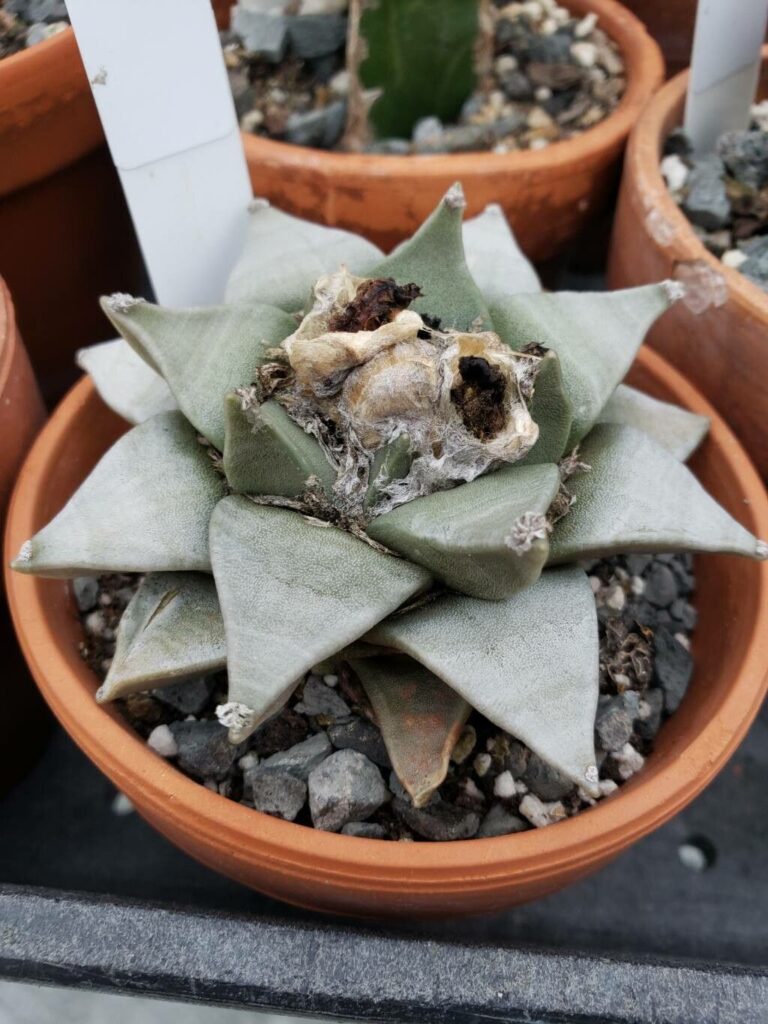
Unveiling the Secrets of Ariocarpus Retusus Propagation: A Guide to Growing These Living Sculptures
Ariocarpus retusus, with its low-growing, geometric form resembling a carved stone rosette, is a captivating succulent coveted by collectors and enthusiasts alike. Often dubbed “Living Rocks”, these fascinating plants hail from the arid regions of Mexico, where they thrive in harsh, unforgiving conditions. While renowned for their unique beauty, Ariocarpus retusus are notoriously slow-growing, making propagation a rewarding endeavor for the patient gardener.
This guide will demystify the process, providing you with the knowledge to successfully propagate your own Ariocarpus retusus and expand your collection of these mesmerizing succulents.
Two Paths to Propagation: Seeds vs. Grafting
1. Seed Propagation: A Test of Time and Dedication
Growing Ariocarpus retusus from seed is the most common and rewarding method, albeit a slow one. It offers a unique sense of accomplishment as you nurture a plant from its very beginning. Here’s a breakdown of the process:
- Sourcing Seeds: Reputable online nurseries specializing in cacti and succulents are your best bet for acquiring viable Ariocarpus retusus seeds.
- Sowing the Seeds: Use a well-draining seed starting mix, preferably one specifically formulated for cacti and succulents. Moisten the mix and sprinkle the seeds on the surface. Do not bury them.
- Creating the Ideal Environment: Ariocarpus seeds require warmth and humidity to germinate. Place the seed tray in a brightly lit area, out of direct sunlight. A seedling heat mat can be beneficial for maintaining optimal temperature. Cover the tray with a humidity dome or plastic wrap to retain moisture.
- Patience is Key: Germination can take anywhere from a few weeks to several months. Be patient and ensure the soil remains consistently moist but not soggy.
- Transplanting Seedlings: Once the seedlings are large enough to handle, usually after a year or two, they can be carefully transplanted into individual pots. Use a well-draining cactus mix and handle the delicate seedlings with care.
2. Grafting: A Shortcut to Faster Growth
Grafting, while more advanced, offers a faster route to mature plants. It involves fusing a section of the Ariocarpus retusus (the scion) onto a more vigorous and faster-growing rootstock, typically a different cactus species like Pereskiopsis, Echinopsis, or Myrtillocactus.
- Grafting Process: This involves carefully cutting the top portion of the rootstock and the base of the scion and joining them together, ensuring the vascular cambium layers align.
- Post-Grafting Care: The grafted plant needs to be kept in a warm, humid environment to promote callusing and fusion.
- Benefits and Considerations: While grafting accelerates growth considerably, it requires a certain level of skill and the grafted plant may not exhibit the same longevity as a seed-grown specimen.
Caring for Your Propagated Ariocarpus Retusus
Whether you choose to embark on the rewarding journey of seed propagation or opt for the faster results of grafting, providing the right care for your newly propagated Ariocarpus retusus is crucial for their long-term health:
- Well-Draining Soil: Use a specialized cactus potting mix that allows for excellent drainage.
- Potting: Choose pots with drainage holes to prevent root rot.
- Watering: Water deeply, allowing the soil to dry out completely between waterings. Avoid overwatering.
- Light: Provide bright, indirect light.
- Temperature: These plants prefer warm temperatures and should be protected from frost.
Propagating Ariocarpus retusus is a labor of love that demands patience and dedication. But the reward of successfully nurturing these captivating living sculptures from seed or graft makes the journey truly worthwhile. With the right knowledge and a dash of perseverance, you can expand your own collection and appreciate the unique allure of these fascinating succulents.