
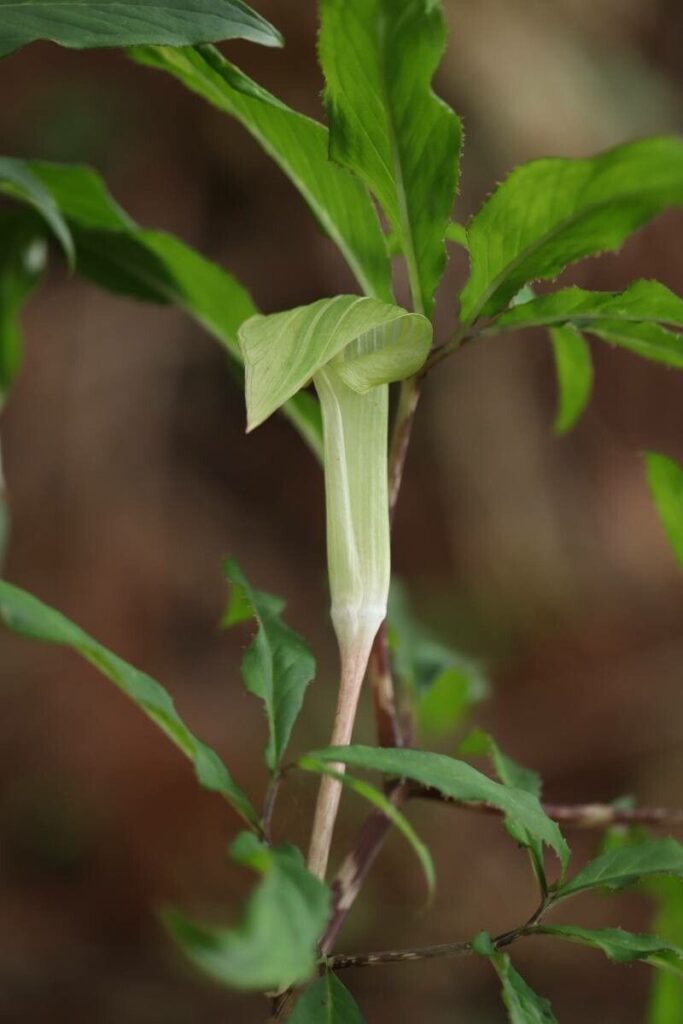
Propagating Arisaema angustatum: A Gardener’s Challenge
Arisaema angustatum, commonly known as the Narrow-leaved Cobra Lily or sometimes included under the broader Arisaema group, is a captivating plant prized for its unusual, hooded inflorescence resembling a cobra’s head. Its striking appearance, coupled with its relatively easy maintenance once established, has made it a popular choice among plant enthusiasts. However, propagating this intriguing species presents unique challenges. Successfully cultivating Arisaema angustatum from propagation presents a rewarding experience that tests the gardener’s patience and skill. This article explores the various methods available, outlining both the difficulties and the potential rewards.
Seed Germination:
Seed germination for Arisaema angustatum is viable but notoriously slow and unpredictable. The primary challenge lies in breaking the seed dormancy. Successful germination typically requires a period of cold stratification. This involves mimicking the natural winter conditions the seeds experience in their native environment.
Practical Tips:
- Stratification: Seeds should be sown in a moist, well-draining seed-starting mix and then placed in a refrigerator (around 4°C or 39°F) for a minimum of 3 months, ideally 6-8 months.
- Sowing: After stratification, sow the seeds superficially in a well-drained seed-starting mix, keeping the mix consistently moist but not waterlogged. Maintain a cool temperature (around 15-20°C or 59-68°F).
- Patience: Germination can take several months, even up to a year or more. High humidity is beneficial.
Rewards: Despite the challenges, seed germination offers the greatest genetic diversity, allowing for the propagation of many unique individuals. It also offers the potential for large-scale propagation, although this would require significant time and patience.
Cuttings:
Currently, there are no known reliable methods for propagating Arisaema angustatum from cuttings. The plant’s physiology does not seem to readily lend itself to this propagation technique.
Division:
Division is the most reliable method for propagating Arisaema angustatum. This involves carefully separating the corm (the underground storage organ) into smaller sections, each with its own growth bud.
Practical Tips:
- Timing: The best time for division is during the plant’s dormant period, typically in late autumn or early spring.
- Technique: Gently excavate the corm, ensuring that you don’t damage the delicate roots. Divide the corm into sections, ensuring each section has at least one healthy growth bud.
- Planting: Replant the divided corms immediately, ensuring good drainage and a suitable growing medium.
Rewards: Division is a relatively quick and straightforward method, resulting in quicker establishment compared to seed germination. It also allows for increases in plant numbers without extensive waiting times, for gardeners who already own the plant.
Tissue Culture:
Tissue culture techniques could potentially be used to propagate Arisaema angustatum, offering the possibility of rapid and large-scale propagation. However, this method requires specialized equipment and expertise, making it unsuitable for the home gardener. While research in tissue culture propagation for various Arisaema species exists, specific protocols for A. angustatum may still need development and optimization. Therefore, reliable information on this method specifically for A. angustatum is currently limited.
Conclusion:
Propagating Arisaema angustatum presents a unique set of challenges. While division offers the most reliable and practical method for the average gardener, seed germination, although demanding, provides the greatest reward in genetic diversity. Cuttings and established tissue culture protocols remain unavailable at present. The satisfaction of successfully nurturing these fascinating plants from seed or division, however, is immense, rewarding the gardener’s patience and dedication with the captivating beauty of this unusual species. Don’t be discouraged by the challenges – the journey is as rewarding as the destination when it comes to cultivating Arisaema angustatum. Start small, be patient, and enjoy the process!