
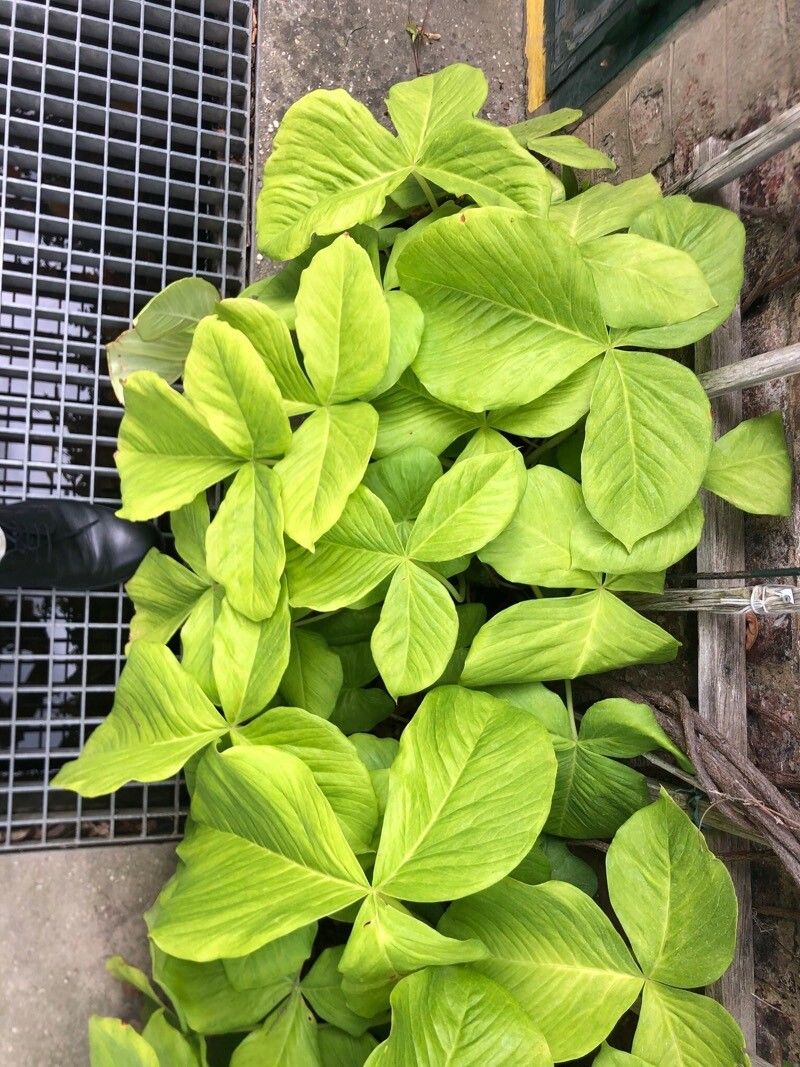
Propagating Arisaema fargesii: A Gardener’s Guide to the Farges’ Cobra Lily
Arisaema fargesii, commonly known as Farges’ Cobra Lily, is a striking member of the Araceae family, captivating gardeners with its unusual, hooded inflorescence that resembles a cobra’s head. Native to China, this herbaceous perennial boasts beautifully mottled foliage and adds a touch of exotic elegance to any shade garden. Its relative rarity and intriguing morphology contribute to its growing popularity among plant enthusiasts, making its propagation a subject of considerable interest. However, propagating Arisaema fargesii presents unique challenges, making success a rewarding accomplishment.
Seed Germination:
Seed germination in Arisaema fargesii is possible but notoriously challenging. The seeds require a period of cold stratification to break dormancy, mimicking the natural winter conditions they experience in their native habitat.
Challenges: Low germination rates are common, even with proper stratification. Seed viability can be affected by seed age and storage conditions. Fungal diseases can also decimate seedlings.
Practical Tips: Seeds should be sown immediately after collection, if possible, or stored in cool, dry conditions until autumn. Cold stratification is crucial; typically, seeds are mixed with a moist medium (e.g., vermiculite or peat moss) and stored in a refrigerator at 3-5°C (37-41°F) for 2-4 months. After stratification, sow seeds shallowly in a well-draining, slightly acidic seed-starting mix and maintain consistently moist (but not soggy) conditions. High humidity is beneficial.
Rewards: Successful germination yields genetically diverse offspring, expanding the genetic pool of your collection. This method offers potential for large-scale propagation, provided you manage the challenges effectively.
Cuttings:
Currently, there are no known reliable methods for propagation of Arisaema fargesii via cuttings. The plant’s physiology does not readily lend itself to this technique.
Division:
Division is a more reliable method for propagating Arisaema fargesii compared to seed germination.
Challenges: This method requires a mature, well-established plant with sufficient corm development. Incorrect division can damage the corms, leading to plant death. Division should only be undertaken during dormancy.
Practical Tips: Carefully divide the corm using a sharp, sterile knife, ensuring each division possesses at least one healthy growing point. Replant the divisions in a suitable medium, ensuring adequate spacing and depth. Handle corms gently to minimize damage.
Rewards: Division offers a quicker and more predictable method of propagation compared to seed germination, leading to quicker establishment of new plants.
Tissue Culture:
Tissue culture, a specialized laboratory technique, offers the potential for mass propagation of Arisaema fargesii.
Challenges: Tissue culture requires specialized equipment, expertise, and sterile conditions to avoid contamination. It’s expensive and not readily accessible to the average home gardener. Protocols need to be specifically developed for Arisaema fargesii since there are no established procedures readily available.
Practical Tips: This method would ideally be conducted in a professional tissue culture laboratory.
Rewards: High multiplication rates are possible allowing for rapid and large-scale propagation. This may aid in conservation efforts and provide plants for wider distribution. However, costs limit accessibility.
Conclusion:
Propagating Arisaema fargesii presents unique challenges, with division offering the most reliable method for the home gardener. Seed germination, while possible, demands patience, precise technique, and some luck. Tissue culture provides potential for mass propagation but requires specialized skills and resources. The rewards, however, are significant. Successfully propagating this beautiful and intriguing plant brings a deep sense of accomplishment – a reward that outweighs the difficulties involved. For aspiring propagators, we encourage patience, careful attention to detail, and a willingness to experiment. The unique beauty of Farges’ Cobra Lily makes the effort well worth it.