
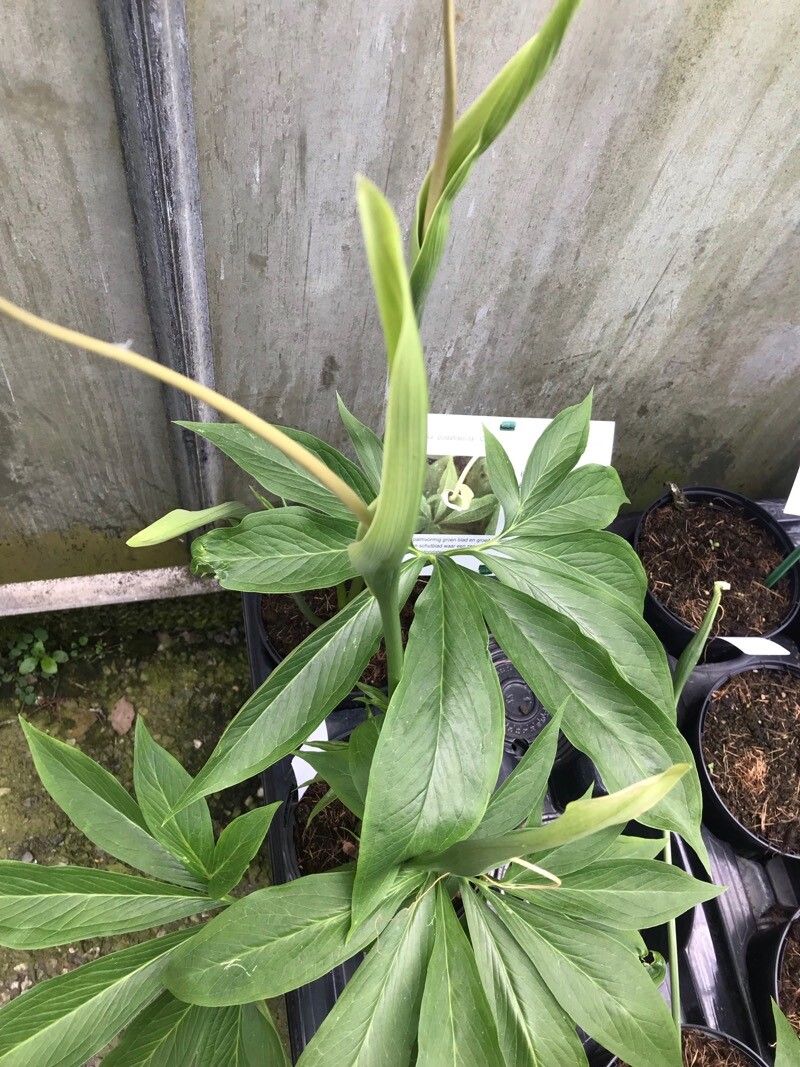
Propagating Arisaema peltatum: The Green Dragon’s Legacy
Introduction
Arisaema peltatum, commonly known as the green dragon, is a captivating member of the Araceae family, prized for its striking, hooded inflorescence reminiscent of a coiled serpent. Its unique foliage and intriguing flowers make it a desirable addition to shade gardens, particularly those aiming for a woodland or naturalistic feel. While not as widely cultivated as some other aroids, its increasing popularity among gardeners stems from its relative ease of cultivation (once established) and its fascinating biology. Propagating Arisaema peltatum, however, presents unique challenges, making successful reproduction a rewarding endeavor for the dedicated plant enthusiast.
Seed Germination:
Seed germination of Arisaema peltatum is viable, but notoriously challenging. The seeds possess a period of dormancy requiring stratification – a process mimicking natural winter conditions.
Challenges: Seeds have a low germination rate, and even with proper stratification, only a percentage will sprout. The process is slow, often taking several months to a year or more. Seedlings are delicate and susceptible to fungal diseases.
Practical Tips: Collect seeds only when fully ripe and thoroughly dry. Stratify seeds by mixing them with moist peat moss or vermiculite and storing them in a refrigerator at 34-40°F (1-4°C) for 3-4 months. After stratification, sow seeds in a well-draining seed-starting mix, keeping the medium consistently moist but not waterlogged. Provide indirect light and maintain consistently warm (around 70°F/21°C) conditions for germination.
Rewards: Successful seed propagation offers the greatest genetic diversity, leading to potentially unique variations in flower color and plant form. It is suitable for large-scale propagation if the challenges are meticulously addressed.
Cuttings:
Currently, there are no known reliable methods for propagation of Arisaema peltatum via cuttings. The plant’s rhizomatous nature and limited above-ground stem growth make successful rooting of cuttings extremely difficult.
Division:
Division is the most reliable and commonly used method for propagating Arisaema peltatum.
Challenges: Division should only be attempted when the plant is actively growing and firmly established, ideally in spring or early autumn. Care must be taken to avoid damaging the delicate rhizomes. Each division should ideally contain a portion of rhizome with at least one growing bud for successful establishment.
Practical Tips: Carefully lift the entire plant, gently separating the rhizomes into sections using a sharp, clean knife or spade. Treat cut surfaces with a fungicide to prevent rot. Replant divisions immediately in well-prepared, moist soil amend with organic matter and mulch around the base for moisture retention.
Rewards: Division offers a relatively quick way to increase the number of plants, making it the preferred method for most gardeners. Plants will be genetically identical to the parent plant, maintaining desirable characteristics.
Tissue Culture:
While technically feasible, tissue culture propagation of Arisaema peltatum is unlikely to be achievable for most home gardeners, requiring specialized equipment, sterile conditions, and horticultural expertise. This method is primarily employed by research institutions and commercial growers for large-scale propagation.
Conclusion:
Propagating Arisaema peltatum presents both challenges and significant rewards. While seed germination offers genetic diversity but poses a significant hurdle, division provides a more reliable route to successful propagation for the home gardener. Cuttings are presently deemed unreliable, while tissue culture remains a specialized and complex technique. The satisfaction gained from cultivating this beguiling plant, however, is amplified by the effort required. The journey from seed or rhizome to a thriving green dragon is a testament to patience, horticultural skill, and the unique joy of successfully bringing a piece of the wild garden into your own space. Aspiring propagators should begin with division, mastering this technique before attempting the more challenging seed germination method. Remember careful preparation, meticulous attention to detail and patience are absolutely key.