
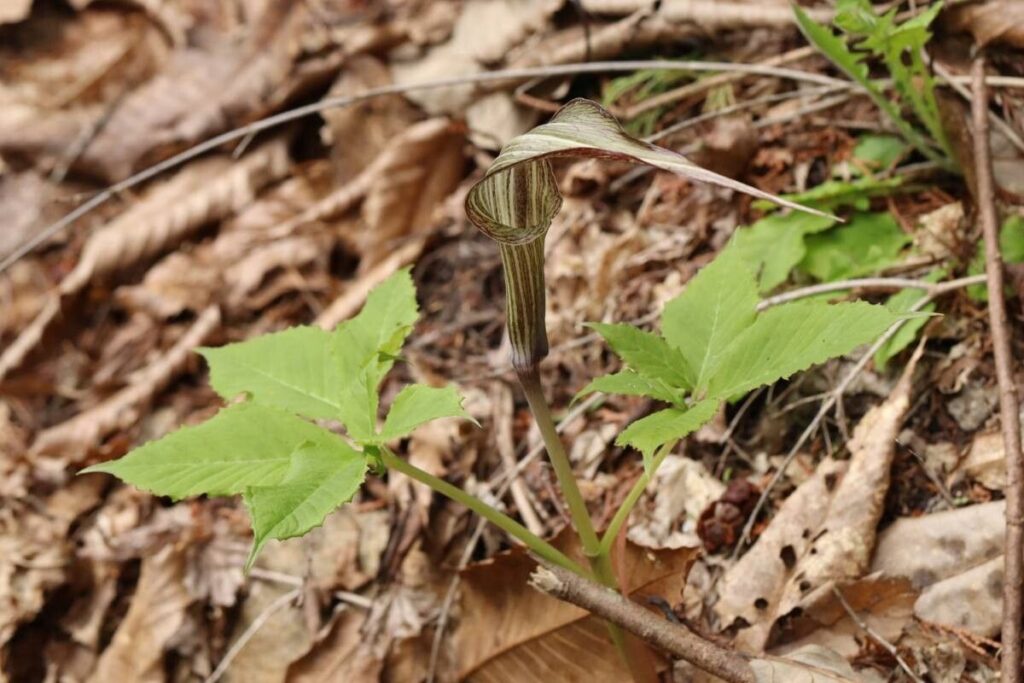
Unveiling the Mysteries: Propagating the Cobra Lily (Arisaema kishidae)
The plant world is full of surprises, and few are as intriguing as the Arisaema kishidae, more commonly known as the Cobra Lily. This captivating plant, with its distinctive cobra-like hood and striking striped spathe, is a sight to behold. But if you’re lucky enough to have one grace your garden, you might be wondering how to multiply your joy. Fear not, fellow plant enthusiasts, for we’re about to delve into the fascinating world of Arisaema kishidae propagation!
Understanding Your Arisaema
Before we jump into the how-to’s, it’s important to understand a bit about this unique plant. The Arisaema kishidae, native to Japan, is a tuberous perennial, meaning it grows from underground storage structures called tubers and returns year after year. Propagation can be achieved through two primary methods: seed propagation and tuber division.
Method 1: Seed Propagation – A Test of Patience
For those who relish a challenge and the satisfaction of nurturing a plant from its very beginnings, seed propagation is the way to go. Here’s how:
- Seed Collection: Harvest mature seeds in autumn when the seed pods turn brown and begin to split open.
- Seed Preparation: Clean the seeds, removing any pulp or debris. Then, soak them in warm water for 24 hours to enhance germination rates.
- Sowing: Plant the seeds in a well-draining potting mix, lightly covering them with soil. Place the pots in a cool, shaded location and keep the soil consistently moist.
- Patience is Key: Germination can be unpredictable, taking anywhere from a few months to a year or more. Don’t lose heart!
Method 2: Tuber Division – The Faster Route
For a quicker and more predictable outcome, tuber division is preferred. This method takes advantage of the plant’s natural tendency to produce offsets.
- Timing is Everything: Divide tubers in late fall or early winter while the plant is dormant.
- Gentle Excavation: Carefully dig up the mother plant, being careful not to damage the tubers.
- Separation: Gently separate the offsets from the main tuber. Each offset should have its own growing point (a small bump or protrusion).
- Replanting: Replant the divisions in well-draining soil, making sure the growing point is facing upwards. Water them in well.
Essential Care for Young Arisaema
Whether you choose seed propagation or tuber division, here are a few tips to ensure the well-being of your new Arisaema plants:
- Provide shade: These plants thrive in dappled shade or morning sun with afternoon shade.
- Well-draining soil: Ensure the soil is loose and well-draining to prevent tuber rot.
- Regular watering: Keep the soil consistently moist, but avoid overwatering.
- Patience, young Padawan: It might take a year or two for newly propagated plants to flower.
Propagation: A Rewarding Journey
Propagating the Arisaema kishidae is a unique and rewarding experience. While it requires patience and dedication, the joy of witnessing new life emerge from a seed or tuber is unmatched. So, embrace the challenge, follow these guidelines, and soon you’ll have a collection of these exotic beauties gracing your garden.