
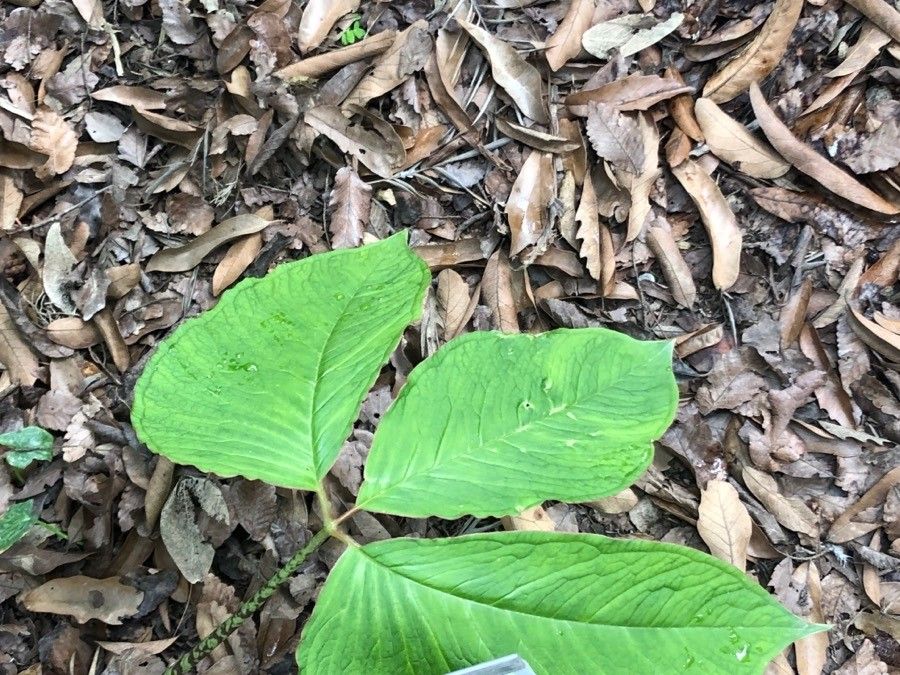
Propagating Arisaema speciosum: Unlocking the Secrets of the Japanese Cobra Lily
Introduction:
Arisaema speciosum, commonly known as the Japanese Cobra Lily, is a captivating plant prized for its striking hooded inflorescence resembling a cobra’s head. Native to Japan, this member of the Araceae family boasts significant horticultural appeal due to its dramatic foliage and unusual flower structure. Its popularity among discerning gardeners is testament to its unique beauty, but propagation presents certain challenges. The plant’s relatively slow growth and specific environmental needs make successful propagation a rewarding, though often demanding, endeavor. This article explores the various methods available, outlining their challenges and rewards.
Seed Germination:
Seed germination in Arisaema speciosum is possible but presents significant challenges. The seeds require a period of cold stratification to break dormancy. This process mimics the natural winter conditions that the seeds experience in their native habitat.
Challenges: Low germination rates are common, even with proper stratification. Seed viability can be inconsistent, and fungal diseases can easily affect seedlings.
Practical Tips: Seeds should be collected when fully ripe and cleaned of any remaining pulp. Stratification is crucial and should be carried out for at least 3-4 months at temperatures between 2-5°C (35-41°F) in moist peat moss or vermiculite. Sowing should be done in a well-draining seed-starting mix, kept moist but not waterlogged.
Rewards: Successful germination offers the opportunity to obtain genetically diverse plants. This provides a valuable avenue for large-scale propagation, especially for conservation efforts or breeding new cultivars.
Cuttings:
Currently, there are no known reliable methods for propagating Arisaema speciosum from cuttings. The plant’s physiology doesn’t lend itself readily to this method.
Division:
Division is a relatively straightforward and successful method for propagating Arisaema speciosum. It involves separating the corms (underground storage organs) during the plant’s dormant period.
Challenges: Careful handling is essential to avoid injuring the corms, which can lead to rotting. The number of viable divisions from each plant is limited by the size and maturity of the corm.
Practical Tips: Division is best undertaken in late summer or early autumn after the foliage has died back. Each division should ideally include a healthy portion of rhizome with at least one growing point. Plant the divisions in well-draining soil rich in organic matter, ensuring sufficient spacing to allow for growth.
Rewards: Division offers a faster and more reliable method of propagation than seed germination. It allows for rapid increase in the number of plants, particularly beneficial for gardeners wishing to expand their collections.
Tissue Culture:
Tissue culture offers potential for large-scale propagation of Arisaema speciosum, but it’s a highly specialized technique requiring significant laboratory setup and expertise.
Challenges: Establishing a sterile tissue culture protocol for this species requires significant research and development. Contamination is a major risk, and optimizing growth media formulations for optimal growth and shoot multiplication can be challenging.
Practical Tips: This method is unsuitable for the average home gardener and is best left to professional laboratories specializing in plant tissue culture.
Rewards: Tissue culture offers the highest potential for rapid mass propagation. It allows the production of virus-free plants and can be used to preserve genetically valuable individuals.
Conclusion:
Propagating Arisaema speciosum presents a range of challenges, dependent on the chosen method. Seed germination, while offering genetic diversity, is characterized by low success rates. Cuttings are currently not a viable option. Division offers a more reliable approach for home gardeners, whilst tissue culture holds the key to mass propagation but requires specialized expertise. However, the rewards of successfully propagating this striking plant are immense. The patience required, the careful observation of the plant’s needs, and the eventual triumph of witnessing a new plant emerge from a seed, corm division, or even a tissue culture vial create a unique sense of accomplishment that surpasses the challenges. Don’t be discouraged by the initial hurdles; the beauty and uniqueness of Arisaema speciosum make the effort well worth it for any dedicated gardener.