
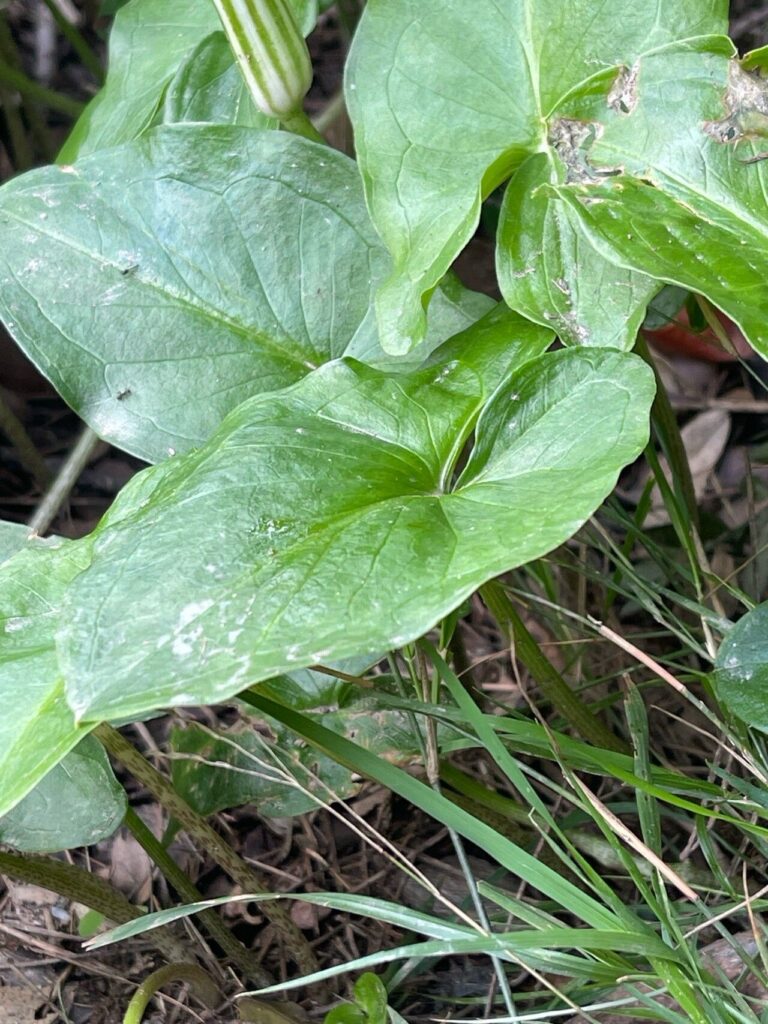
Propagating the Friar’s Cowl: A Guide to Arisarum vulgare
Introduction:
Arisarum vulgare, commonly known as Friar’s Cowl, is a captivating Mediterranean perennial prized for its unusual, hooded inflorescence resembling a monk’s cowl. Its dark purplish-brown spathe, dramatically contrasting with the paler spadix and emerging from heart-shaped leaves, makes it a striking addition to shady, woodland gardens. While not as commonly cultivated as some other plants, its unique aesthetic appeal and relative ease (with the right techniques) of propagation have earned it a dedicated following among enthusiastic gardeners. This guide explores various propagation methods for Arisarum vulgare, outlining both challenges and rewards.
Seed Germination:
Currently, there are no known reliable methods for seed germination propagation of Arisarum vulgare. While the plant does produce seeds, germination rates are exceptionally low, and successful propagation from seed remains largely undocumented. Further research into specific stratification requirements or other germination-enhancing techniques may be necessary before this becomes a viable option.
Cuttings:
Successfully propagating Arisarum vulgare from cuttings proves challenging. The plant’s structure doesn’t readily lend itself to stem or leaf cuttings. Attempts at rooting cuttings have generally yielded low success rates. Therefore, this method is not recommended for the propagation of this species.
Division:
Division is the most reliable and commonly used method for propagating Arisarum vulgare. This involves carefully separating mature clumps into smaller sections, each containing a portion of the rhizome and healthy roots.
- Challenges: Dividing the rhizomes without damaging them requires a delicate touch. Overly aggressive division can lead to poor establishment and plant failure. The optimal time for division is during the plant’s dormant period, typically autumn or early spring, before new growth begins.
- Practical Tips: Use a sharp, clean knife or spade to carefully separate the rhizomes. Ensure each division has a healthy portion of rhizome and several actively growing roots. Plant the divisions immediately in well-drained, humus-rich soil, maintaining a consistent moisture level but avoiding waterlogging.
- Rewards: Division is a relatively simple and effective method ensuring the preservation of the plant’s genetic characteristics. It allows for quick increases in plant numbers, ideal for expanding existing populations in the garden.
Tissue Culture:
Tissue culture propagation of Arisarum vulgare is not widely practiced and lacks readily available protocols. While theoretically possible, establishing a sterile culture and achieving consistent propagation would require specialized laboratory equipment, expertise in plant tissue culture techniques, and extensive experimentation. Therefore, this method is presently not practical for home gardeners.
Conclusion:
Propagating Arisarum vulgare presents specific challenges. While seed germination and cuttings are not currently viable options, division offers a relatively straightforward and successful method for increasing the number of plants. The potential complexities of tissue culture make it an impractical method for most enthusiasts. The satisfaction of successfully propagating Friar’s Cowl through division, however, stems from the careful handling required and the eventual reward of witnessing these unique plants thrive in your garden. It offers a tangible connection to the plant’s fascinating life cycle and a sense of accomplishment that surpasses the ease of obtaining plants from nurseries. Aspiring propagators should focus their efforts on mastering the art of rhizome division, practicing patience and precision, to enjoy the beauty of this distinctive plant.