
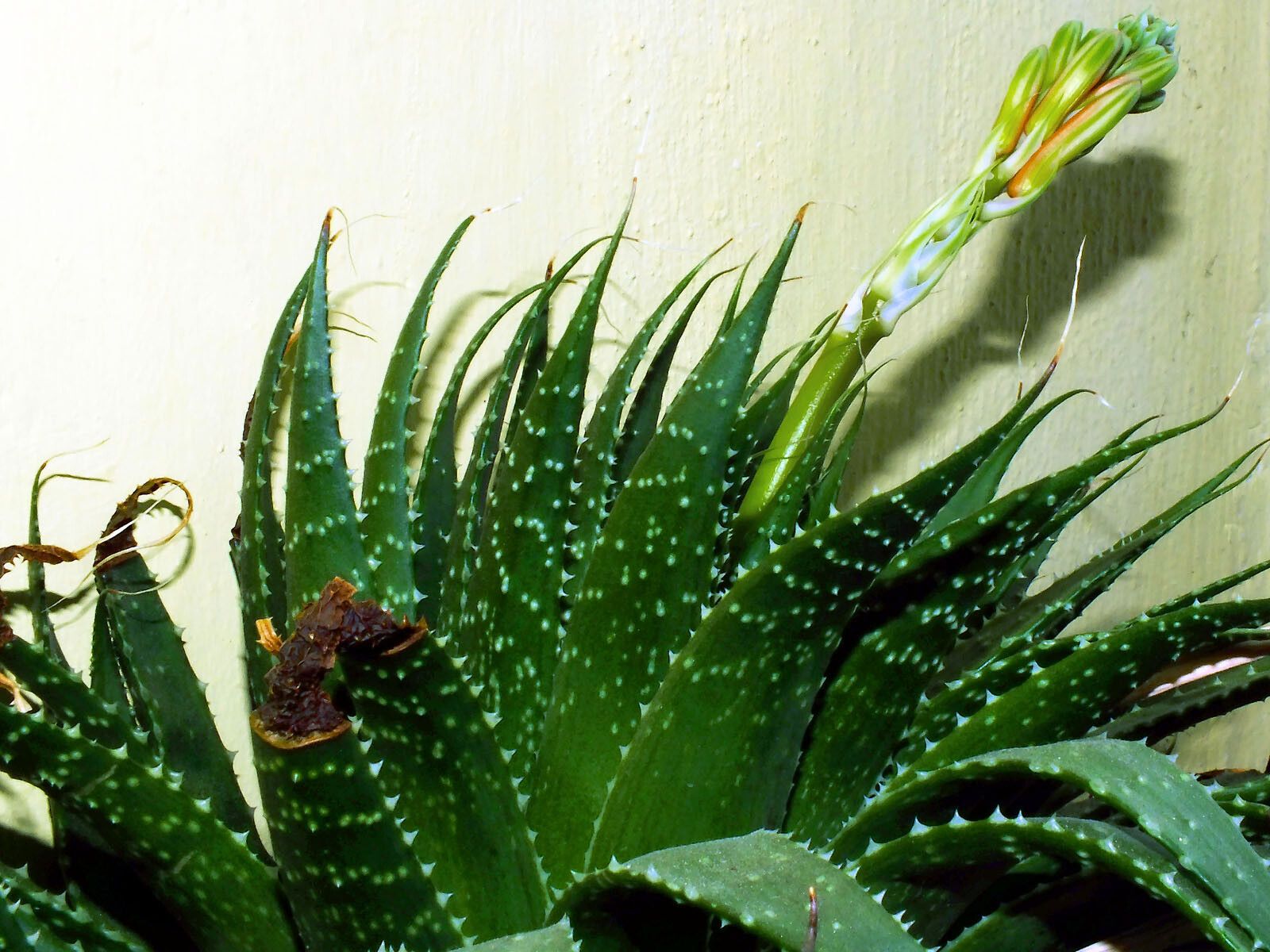
Propagating Aristaloe aristata: A Guide to Growing the Lace Aloe
Aristaloe aristata, commonly known as the Lace Aloe, is a captivating succulent prized for its striking rosette of spiky, triangular leaves adorned with distinctive white tubercles. This relatively small, clump-forming aloe native to South Africa is a popular choice among gardeners for its low-maintenance nature, attractive appearance, and tolerance of drought conditions. Its propagation, however, presents unique challenges and rewards, depending on the method chosen.
Seed Germination:
Currently, there are no known reliable methods for seed germination propagation of Aristaloe aristata. While the plant does produce seeds, germination rates are extremely low and unpredictable, even under controlled conditions. This makes seed propagation impractical for most home gardeners.
Cuttings:
Cuttings offer a relatively straightforward method for propagating Aristaloe aristata.
Challenges: The main challenge lies in preventing rot. The moist conditions needed for rooting can easily lead to fungal infections.
Practical Tips: Use sharp, clean tools to take cuttings of mature, healthy leaves. Allow the cuttings to callus over for a few days before planting them in a well-draining succulent potting mix. Avoid overwatering, ensuring the soil is barely moist. Bottom heat can improve rooting success. Rooting hormones can also be beneficial. Propagation in a humidity dome can improve the rooting environment.
Rewards: Relatively quick propagation and a faithful reproduction of the parent plant’s characteristics. This method is suitable for small-scale propagation.
Division:
Division is the most successful and commonly used propagation method for Aristaloe aristata.
Challenges: The plant may not readily produce offsets, requiring some patience. Careful separation of the offsets is crucial to avoid damaging the roots and causing rot.
Practical Tips: Carefully separate offsets from the mother plant, ensuring each division has a healthy root system. Plant the divisions in well-draining potting mix and allow the soil to dry slightly between waterings. The best time to divide is during the growing season, typically spring or early summer.
Rewards: High success rate, relatively easy technique, and quick establishment of new plants. This method allows for rapid increase in the number of plants.
Tissue Culture:
Tissue culture offers a potential method for large-scale propagation of Aristaloe aristata.
Challenges: This method requires specialized equipment, sterile conditions, and a strong understanding of plant tissue culture techniques. It is a complex and expensive procedure usually reserved for commercial propagation.
Practical Tips: This requires a laboratory setting and is not feasible for most home gardeners. Sterile techniques are paramount to prevent contamination. Appropriate media and growth hormones are crucial for successful propagation.
Rewards: Potential for large-scale, rapid propagation, and virus-free plants.
Conclusion:
Propagating Aristaloe aristata presents a unique blend of challenges and rewards. While seed germination proves unreliable, cuttings and division offer achievable methods for home gardeners, with division being the most reliable of the two. Tissue culture represents a highly effective but specialized approach unattainable for most hobbyists. The satisfaction derived from successfully propagating this beautiful plant, particularly through division, lies in the gentle care and patience it requires. Seeing a small offset develop into a vibrant Lace Aloe rosette is a deeply rewarding experience for any plant lover, truly demonstrating the tenacity and resilience of this fascinating succulent. For the aspiring propagator, remember that patience, attention to detail, and a well-draining medium are your greatest allies in cultivating a thriving collection of Aristaloe aristata.