
Propagating Aristea ecklonii: A Gardener’s Guide to the Blue Iris
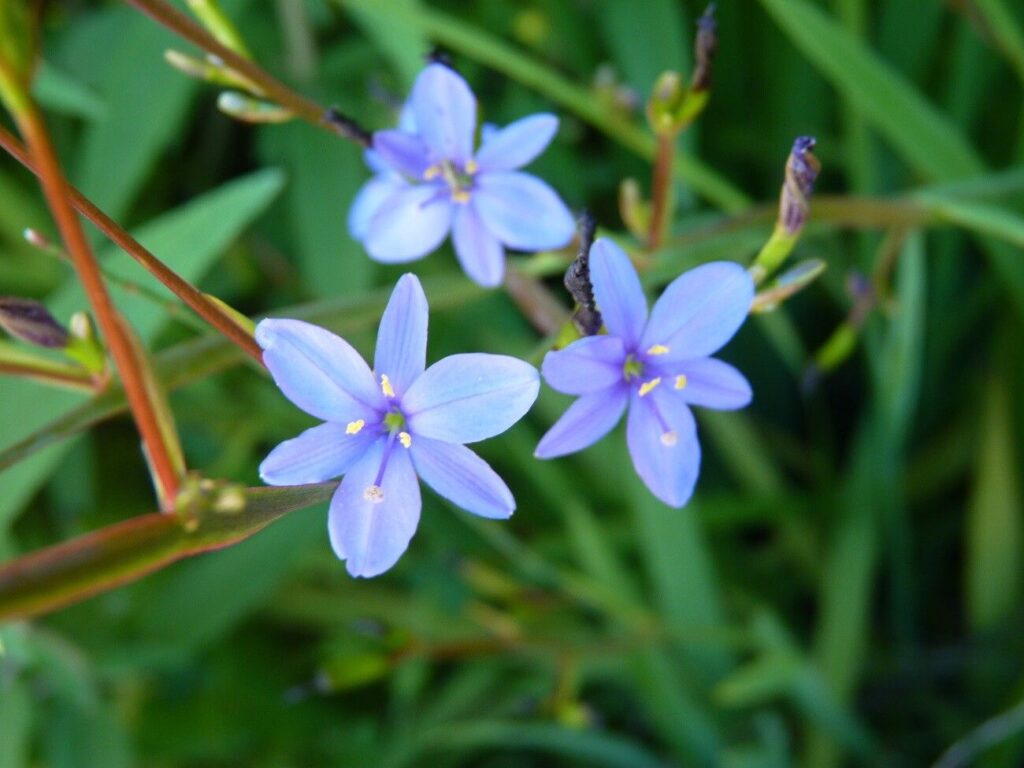
Aristea ecklonii, commonly known as the Blue Iris (though not a true iris), is a captivating perennial prized for its delicate, sky-blue flowers and elegant, grass-like foliage. Its graceful form makes it a popular choice among gardeners seeking to add a touch of understated elegance to borders, rock gardens, or containers. While relatively easy to maintain once established, propagating Aristea ecklonii can present some unique challenges, making successful propagation all the more rewarding.
Seed Germination:
Currently, there are no known reliable methods for seed germination propagation of Aristea ecklonii. While the plant does produce seeds, germination rates are notoriously low, and consistent success remains elusive for home gardeners. Further research on seed germination techniques and pre-treatment methods, such as scarification or specific temperature stratification, may be needed to unlock this propagation method.
Cuttings:
Propagating Aristea ecklonii from cuttings offers a more promising approach than seed germination.
Challenges: Cuttings can be slow to root, and success often depends on maintaining consistently high humidity and optimal temperature. Rot can also be a problem if the cutting base isn’t allowed to properly callous before planting
Practical Tips:
- Timing: Take semi-hardwood cuttings in late spring or early summer.
- Technique: Select healthy, non-flowering stems. Cuttings should be 8-10cm long, taken just below a node. Remove lower leaves to prevent rotting. Dip the cut end in rooting hormone before planting.
- Environment: Use a well-draining propagating mix and maintain high humidity, ideally using a propagator or covering the cuttings with a plastic bag. Avoid direct sunlight.
- Rewards: Cuttings offer a method to quickly propagate a desired cultivar, preserving its exact characteristics.
Division:
Division is arguably the most reliable method for propagating Aristea ecklonii.
Challenges: Careful handling is essential to avoid damaging the delicate root system. The clumps can be somewhat tightly bound, requiring a bit of effort to separate.
Practical Tips:
- Timing: The best time to divide is in spring or autumn, after flowering but before new growth commences.
- Technique: Gently dig up the clump, loosen the roots, and carefully separate into smaller divisions, ensuring each division has healthy roots and foliage. Replant immediately ensuring the crown sits at soil level.
- Rewards: Division produces instant results, with established plants quickly resuming growth and flowering. It’s a relatively fast and uncomplicated method.
Tissue Culture:
Tissue culture provides a potential method for large-scale propagation and the preservation of rare or endangered cultivars. However, it requires a specialized laboratory setting and expertise.
Challenges: Establishing a sterile environment and developing suitable culture media are complex procedures requiring specialized skills and equipment. Sterility is crucial as contamination can easily destroy the culture.
Practical Tips: This method is not practical for home gardeners and would be best left to professional nurseries or research institutions.
Rewards: It allows for large-scale propagation, conservation of genetic diversity, and the rapid production of disease-free plants.
Conclusion:
While seed germination for Aristea ecklonii appears unviable currently, cuttings and division offer reliable methods for propagation at home. Division presents the easiest and fastest method for the average gardener, while cuttings require more care and patience but still provide a valuable means to expand your collection. Tissue culture remains a specialized technique best suited to a professional setting. The challenges presented in propagating Aristea ecklonii only enhance the satisfaction of successfully nurturing new plants from cuttings or divisions. The persistence required and the eventual reward of witnessing the delicate blue blooms of a self-propagated Aristea ecklonii makes the endeavor incredibly fulfilling for any dedicated gardener. Embrace the challenge; you’ll be rewarded with the elegance and quiet beauty of this exceptional plant.