
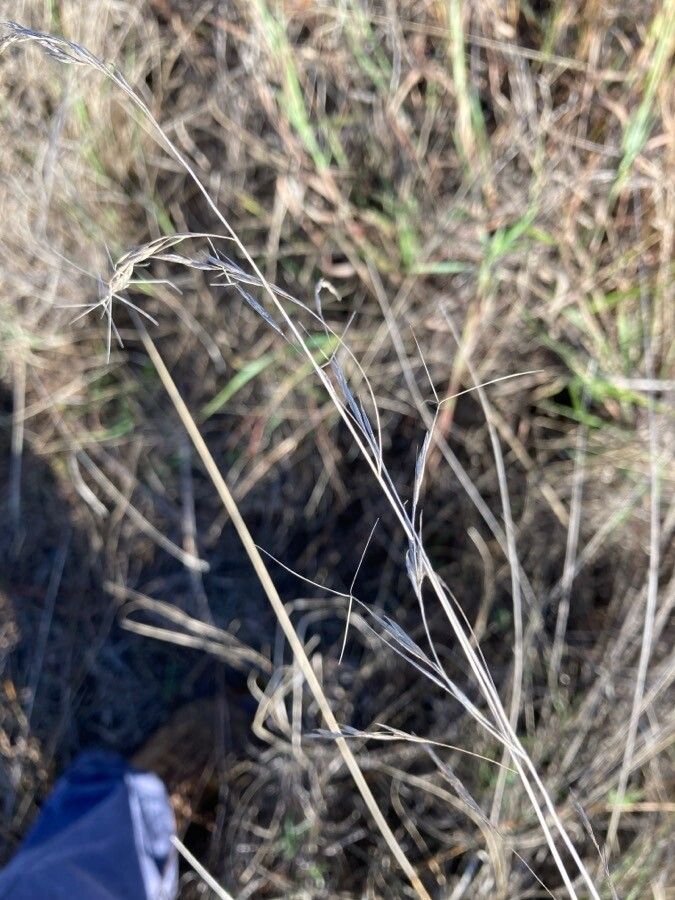
Propagating Aristida latifolia: A Challenge Worth Embracing
Aristida latifolia, commonly known as the broadleaf three-awn, is a striking ornamental grass prized for its delicate, airy seed heads and attractive, bluish-green foliage. While not as ubiquitous as some other ornamental grasses, its unique texture and ability to thrive in challenging conditions make it a highly sought-after addition to xeriscapes and naturalistic gardens. Its propagation, however, presents a unique set of challenges, making success all the more rewarding.
Seed Germination:
Currently, there are no known reliable methods for seed germination propagation of Aristida latifolia. While seeds may be produced, their germination rate is extremely low, likely due to factors such as dormancy mechanisms and specific environmental requirements not yet fully understood. Further research is needed to determine if pre-treatment techniques, such as scarification or stratification, could improve germination success.
Cuttings:
Propagating Aristida latifolia from cuttings also presents significant difficulties. Experiments with stem cuttings have yielded limited success, with a very low rooting rate observed. The challenges likely stem from the plant’s physiology, possibly including limited auxin production critical for root initiation. Even with the application of rooting hormones and the use of a humidity propagation chamber, the success rate remains discouragingly low.
Division:
Division offers the most reliable method currently available for propagating Aristida latifolia. This involves carefully separating established clumps of the plant into smaller sections, each containing a healthy portion of roots and shoots.
Challenges: Successfully dividing Aristida latifolia requires careful handling to avoid damaging the delicate root system. The plant may be slow to recover if divided improperly.
Practical Tips: Division should be performed in spring or early autumn, when the plant is actively growing but not under intense heat stress. Use a sharp, clean spade or knife to divide the clump, ensuring each division has a substantial root mass. Plant the divisions immediately in well-draining soil and provide adequate watering until established.
Rewards: Division ensures the propagation of genetically identical plants, preserving desirable traits. This method also allows for relatively quick multiplication of existing stock and is relatively straightforward compared to other methods.
Tissue Culture:
Tissue culture propagation of Aristida latifolia has not been widely explored. While theoretically possible, developing a successful protocol would require significant research to determine optimal media composition, growth regulators, and sterilization techniques for this species. The challenges associated with establishing aseptic conditions and optimizing growth in vitro would be considerable.
Conclusion:
Propagating Aristida latifolia presents a significant horticultural challenge. While division currently stands as the most reliable method, its success hinges on careful technique. Seed germination and cuttings have proven problematic, and tissue culture remains unexplored territory. The difficulties inherent in propagating this species, however, contribute to the considerable sense of satisfaction derived from successfully cultivating it. The rewards – the unique beauty of this graceful grass flourishing in your garden – are well worth the effort. Persevering aspiring propagators are encouraged to experiment with division, perhaps supplementing their efforts with further research into seed germination techniques, and to share their findings with the wider horticultural community to advance knowledge concerning this intriguing plant.