
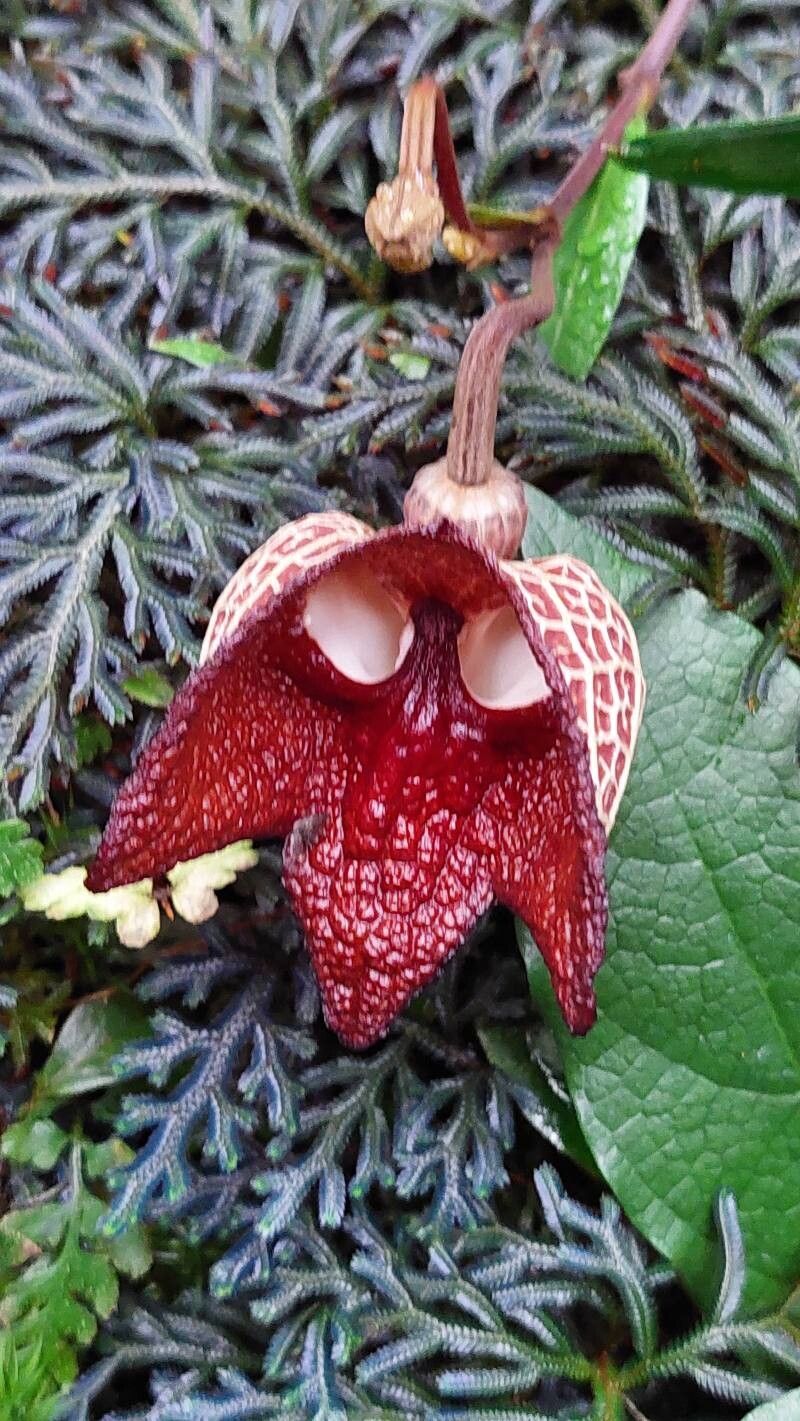
Propagating Aristolochia arborea: A Gardener’s Challenge and Reward
Aristolochia arborea, commonly known as the Pipevine or Pelican Flower (although this common name is often shared with other Aristolochia species), is a striking vine prized for its large, unusual flowers resembling a pipe or pelican’s head. Its pendulous blooms, often dark purplish-brown with intricate veining, make it a highly sought-after addition to any garden with suitable conditions – typically warm, humid climates and well-drained soil. While its captivating beauty makes it popular among gardeners, propagating Aristolochia arborea presents unique challenges. This article explores various propagation methods, weighing their viability and effectiveness.
Seed Germination:
Currently, there are no known reliable methods for seed germination propagation of Aristolochia arborea. While seeds may be produced, their germination rate is reported to be extremely low, if any, under common horticultural conditions. Further research into specific germination requirements, including potential stratification techniques or hormonal treatments, is needed. Successful seed germination would offer the advantages of genetic diversity, opening possibilities for larger-scale propagation and the potential to select for desirable traits, but currently this avenue remains largely unexplored and impractical.
Cuttings:
Cuttings represent a more promising method for propagating Aristolochia arborea. However, challenges remain. Softwood or semi-hardwood cuttings, taken in spring or early summer, show the highest probability of success.
- Challenges: Rooting can be slow and inconsistent. The cuttings are susceptible to fungal diseases and rot if not provided with optimal humidity and aeration.
- Practical Tips: Use a rooting hormone to stimulate root development. Plant cuttings in a well-draining propagation mix (e.g., perlite and vermiculite), maintaining high humidity using a humidity dome or misting regularly. Ensure adequate ventilation to prevent fungal growth.
- Rewards: Cuttings offer a relatively straightforward and quicker method compared to other techniques, provided they root successfully. They produce genetically identical plants to the parent, ensuring preservation of desirable traits.
Division:
Division of established plants is a feasible method, although it depends on the size and age of the parent plant.
- Challenges: Dividing Aristolochia arborea requires careful handling to prevent damage to the root system. Each division needs to have sufficient roots and stems to ensure successful establishment.
- Practical Tips: Divide in spring or early autumn, ensuring each division has a healthy set of roots and several healthy stems. Plant each division in a well-prepared bed with amended soil. Water thoroughly after planting.
- Rewards: Division is relatively simple and quick once the plant has reached a suitable size. It allows for rapid multiplication of existing plants.
Tissue Culture:
Tissue culture presents a potentially efficient method for large-scale propagation of Aristolochia arborea, bypassing many of the challenges associated with other techniques.
- Challenges: This method requires specialized equipment, a sterile environment, and expert knowledge of plant tissue culture techniques. It can also be expensive and time-consuming.
- Practical Tips: Sterilization of explants and media is crucial to prevent contamination. Optimal nutrient media formulations will need to be determined through experimentation.
- Rewards: Tissue culture enables mass production of genetically uniform plants, allowing for rapid expansion of plant populations.
Conclusion:
Propagating Aristolochia arborea presents significant challenges across all methods explored. Seed propagation remains elusive, while cuttings, division, and tissue culture all require specific skills and careful attention to detail. While cuttings offer a relatively accessible approach, tissue culture holds the most potential for large-scale propagation, though it requires specialized expertise and resources. The rewards of successfully cultivating this captivating vine—its unique beauty and the satisfaction of overcoming the inherent difficulties—make the effort worthwhile for the dedicated gardener. Don’t be discouraged by the challenges; persistence and careful observation are key to successfully propagating this extraordinary plant.