
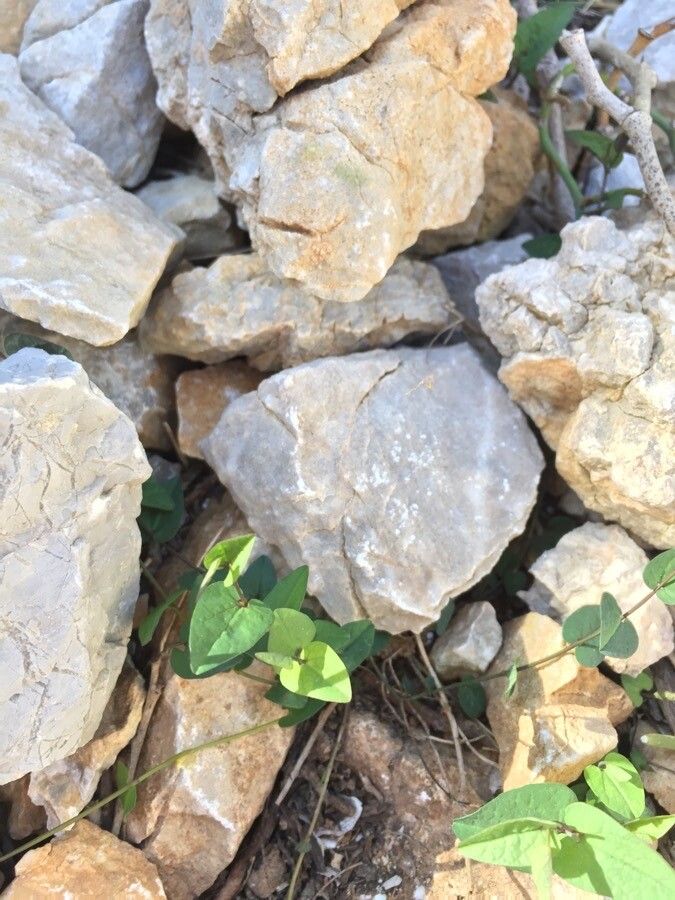
Propagating Aristolochia bianorii: A Gardener’s Challenge and Triumph
Aristolochia bianorii, commonly known as the (currently, there isn’t a widely used common name for this species, but it’s often referred to as a type of Dutchman’s Pipe Vine due to its genus), is a captivating climbing plant prized for its unique, often bizarrely shaped flowers. These flowers, typically dark purple and intricately patterned, attract pollinators with their peculiar scent. Its rarity in cultivation and striking appearance contribute to its growing popularity among specialist gardeners, making successful propagation a rewarding albeit challenging endeavor. Unique aspects relevant to its propagation include its potentially slow growth rate and the specific environmental conditions needed for optimal development.
Seed Germination:
Currently, there are no known reliable methods for seed germination propagation of Aristolochia bianorii. While some Aristolochia species readily germinate from seed, A. bianorii seems to present significant challenges, possibly due to specific dormancy mechanisms or sensitivity to environmental factors during the germination process. Further research is needed to determine if specific pre-treatments, such as scarification or stratification, could improve germination rates.
Cuttings:
Cuttings offer a more promising avenue for propagating Aristolochia bianorii. However, it presents challenges.
-
Challenges: Aristolochia cuttings can be slow to root, and success rates are not guaranteed. The timing of the cuttings (ideally semi-hardwood cuttings taken in late spring/early summer) is crucial. Also, maintaining consistent humidity and warmth are essential to prevent desiccation and fungal infections.
-
Practical Tips: Take 4-6 inch cuttings from healthy, non-flowering stems. Remove lower leaves to prevent rot. Dip the cut ends in rooting hormone before planting in a well-draining propagation mix (e.g., perlite and peat moss). Cover with a humidity dome or plastic bag to maintain high humidity. Keep the cuttings warm (around 70-75°F/21-24°C) and provide bright, indirect light.
- Rewards: Cuttings offer a relatively quick way to produce genetically identical plants, preserving desirable traits from a mother plant. This method is suitable for smaller-scale propagation.
Division:
Division is not a practical method for propagating Aristolochia bianorii. This species doesn’t naturally form readily separable clumps or offsets like some other plants.
Tissue Culture:
Tissue culture might offer the greatest potential for large-scale propagation of Aristolochia bianorii, but it requires specialized knowledge, equipment, and sterile conditions.
-
Challenges: Establishing aseptic cultures and finding optimal growth media for this species are crucial but challenging steps. The process is expensive and time-consuming, requiring specific expertise.
-
Practical Tips: This method demands a sterile laboratory setting with expertise in plant tissue culture techniques. The selection of suitable explant material (e.g., stem tips or nodal segments) is essential for successful culture establishment. Optimal media formulations, including plant growth regulators, need to be determined through experimentation.
- Rewards: Tissue culture allows for the rapid and mass production of genetically identical plants, preserving desirable traits and facilitating the conservation of rare varieties like A. bianorii.
Conclusion:
Propagating Aristolochia bianorii presents numerous challenges, with seed germination currently proving unreliable. Cuttings offer a more accessible approach, but success requires patience and attention to detail. Tissue culture holds the greatest potential for large-scale propagation but necessitates specialized expertise and resources. The rewards, however, are significant. Successfully cultivating this enigmatic plant, especially through challenging methods, brings a profound sense of accomplishment. The unique beauty and rarity of Aristolochia bianorii make the effort worthwhile for dedicated gardeners who appreciate the thrill of the chase and the satisfaction of nurturing a plant that is both beautiful and fascinating. Embrace the challenge – the unique rewards of growing this exceptional vine are well worth the effort.