
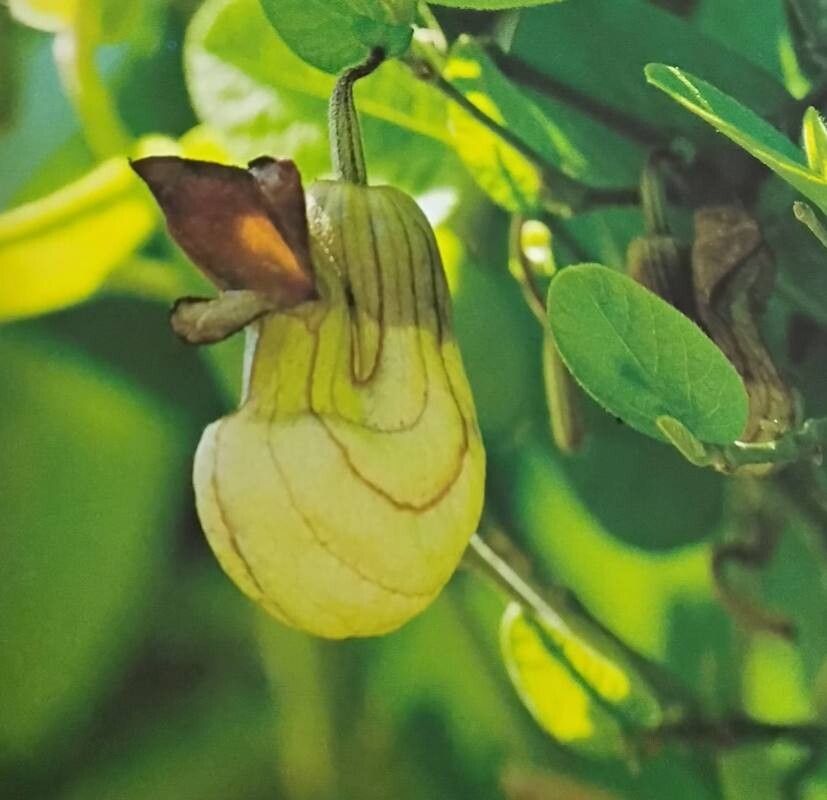
Propagating California Pipevine (Aristolochia californica): A Gardener’s Guide
Introduction:
Aristolochia californica, commonly known as California pipevine, is a captivating native vine prized for its unique, pipe-shaped flowers and heart-shaped leaves. Its unusual beauty, coupled with its crucial role as a host plant for the beautiful Pipevine Swallowtail butterfly (Battus philenor hirsuta), makes it a highly sought-after addition to gardens in suitable climates. However, its propagation presents certain challenges, making success all the more rewarding. This guide explores various propagation methods, weighing their viability and effectiveness.
Seed Germination:
Currently, there are no known reliable methods for seed germination propagation of Aristolochia californica. While seeds may be produced, their germination rate is notoriously low, and successful germination under controlled conditions has not been consistently replicated. Factors such as dormancy mechanisms and specific environmental requirements remain poorly understood.
Cuttings:
- Viability: Propagation via stem cuttings offers a more reliable method than seed germination for Aristolochia californica.
- Challenges: Successful rooting requires careful technique. Cuttings must be taken from healthy, actively growing stems. The use of rooting hormone is highly recommended. Maintaining consistent moisture and humidity levels is crucial to prevent desiccation.
- Practical Tips: Take semi-hardwood cuttings in late spring or early summer. Use a sharp, clean blade to prevent the spread of disease. Dip the cut ends in rooting hormone and plant them in a well-draining medium, such as a mix of perlite and peat moss. Cover the cuttings with a plastic dome or humidity propagator to maintain high humidity. Provide bottom heat if possible to accelerate root development.
- Rewards: Cuttings offer a quicker route to a mature plant compared to seed propagation. While not generating genetic diversity, they ensure the propagation of desirable traits from the parent plant.
Division:
- Viability: Division is a viable method, particularly for established plants.
- Challenges: Aristolochia californica, while vigorous, doesn’t readily lend itself to division due to its somewhat delicate root system. Dividing too aggressively can severely damage the plant, leading to its decline.
- Practical Tips: Divide only mature plants in early spring, just as new growth begins. Carefully dig up the plant, gently separate portions with well-established root systems, and replant immediately. Ensure each division has substantial root mass. Protect newly divided plants from intense sun until established.
- Rewards: Division is a relatively straightforward method for increasing the number of plants, preserving the genetic characteristics of the parent plant.
Tissue Culture:
- Viability: Tissue culture offers the potential for large-scale propagation of Aristolochia californica, circumventing many challenges associated with other methods.
- Challenges: This technique requires specialized equipment, sterile conditions, and expertise in plant tissue culture methodologies. Developing an effective protocol for Aristolochia californica may require considerable experimentation.
- Practical Tips: This method is best left to nurseries or research institutions with the necessary resources and expertise. Appropriate media and hormone concentrations need to be determined through trials.
- Rewards: Tissue culture can rapidly produce numerous genetically identical plants, offering efficient large-scale propagation and preserving superior genotypes.
Conclusion:
Propagating Aristolochia californica presents unique challenges across all methods. While seed germination is currently unreliable, cuttings and division offer viable, though less efficient, options for the home gardener. Tissue culture holds the most promise for large-scale propagation but requires specialized expertise. The unique satisfaction of successfully propagating this beautiful and ecologically important plant far outweighs the initial difficulties. Patience, careful attention to detail, and a willingness to experiment will be key to your success. Remember to always prioritize the well-being of the plant, adapting techniques as needed to ensure its continued health and vitality. The reward of nurturing a California Pipevine, and perhaps even seeing Pipevine Swallowtails grace its leaves, is a truly unique gardening achievement.