
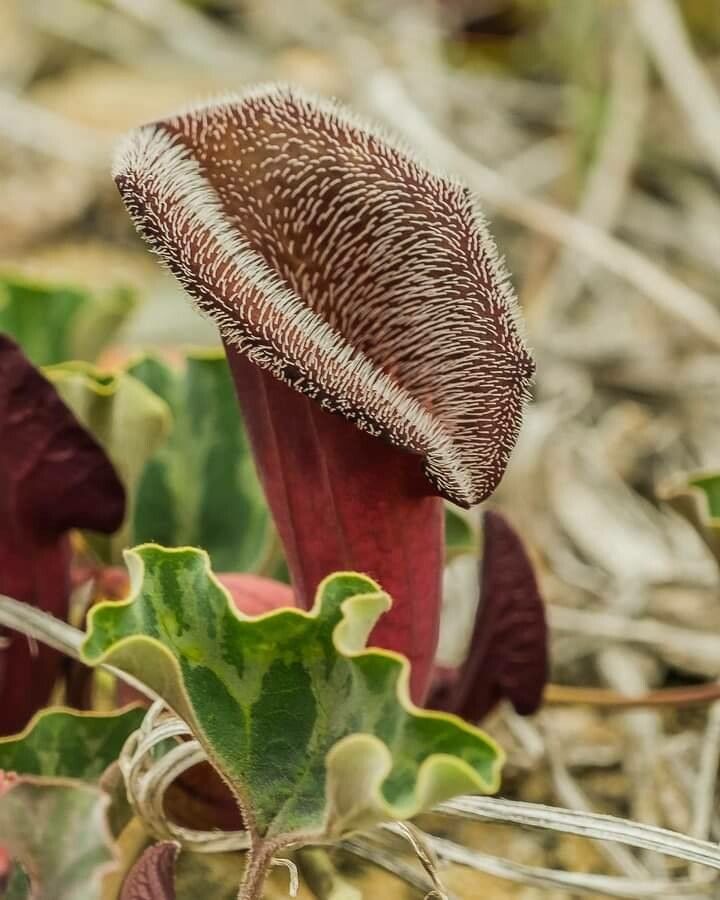
Unlocking the Secrets of the Pelican Flower: Propagating Aristolochia chilensis
The Aristolochia chilensis, more affectionately known as the Chilean Pelican Flower or Pelican Plant, is a fascinating specimen that captivates with its unique, almost otherworldly blooms. Native to the woodlands of Chile, this climber, while not commonly found in cultivation, offers an intriguing challenge for those eager to introduce its exotic beauty into their gardens.
Unlike many plants propagated from readily available seeds or cuttings, the Pelican Flower utilizes a less conventional method: rhizome division. This process, while slightly more intricate, allows you to generate new plants from an established one, ensuring the integrity of the species and its remarkable characteristics.
Timing is Key:
Rhizome division is ideally carried out during the plant’s dormant season, which usually falls in late winter or early spring. This period of rest allows the plant to recover more readily from the division process.
Step-by-Step Guide to Propagation:
-
Careful Uprooting: Gently unearth a portion of the established plant, ensuring you expose a healthy section of the rhizome. The rhizome is a modified underground stem, crucial for the plant’s nutrient storage and propagation.
-
Identify Viable Sections: Look for segments of the rhizome that have at least one growth point, often identified as a small bud or node. These nodes are crucial as they will give rise to new shoots and roots.
-
The Clean Cut: Utilize a sharp, sterilized knife or gardening shears to divide the rhizome. Ensure a clean, swift cut to minimize stress on the plant. Each divided section should ideally have a good amount of roots attached to support initial growth.
-
Potting On: Prepare a well-draining potting mix that replicates the plant’s natural woodland habitat. A blend of peat moss, perlite, and a bit of compost is ideal. Plant the divided rhizome sections, ensuring the growth points are facing upwards.
- Nurturing New Life: Water the newly potted sections thoroughly, allowing any excess water to drain away. Place them in a location that receives bright, indirect sunlight. Remember, these are young plants that need time to re-establish themselves, so be patient!
Patience Yields Rewards:
Propagating Aristolochia chilensis from rhizome divisions requires a gentle touch and a keen eye for detail. Don’t be disheartened if you don’t see immediate results; it can take several weeks for new growth to emerge. Maintain consistent watering, ensuring the soil remains moist but never waterlogged.
Beyond the Basics:
While rhizome division is the most reliable method for propagating Aristolochia chilensis, adventurous gardeners might be tempted to try their hand at growing them from seeds. However, be aware that seeds are not always easy to come by and germination rates can be notoriously low.
Successfully propagating this botanical curiosity brings immense satisfaction and the reward of witnessing its intriguing life cycle unfold anew. So, embrace the challenge, and let the captivating allure of the Pelican Flower inspire your gardening journey.