
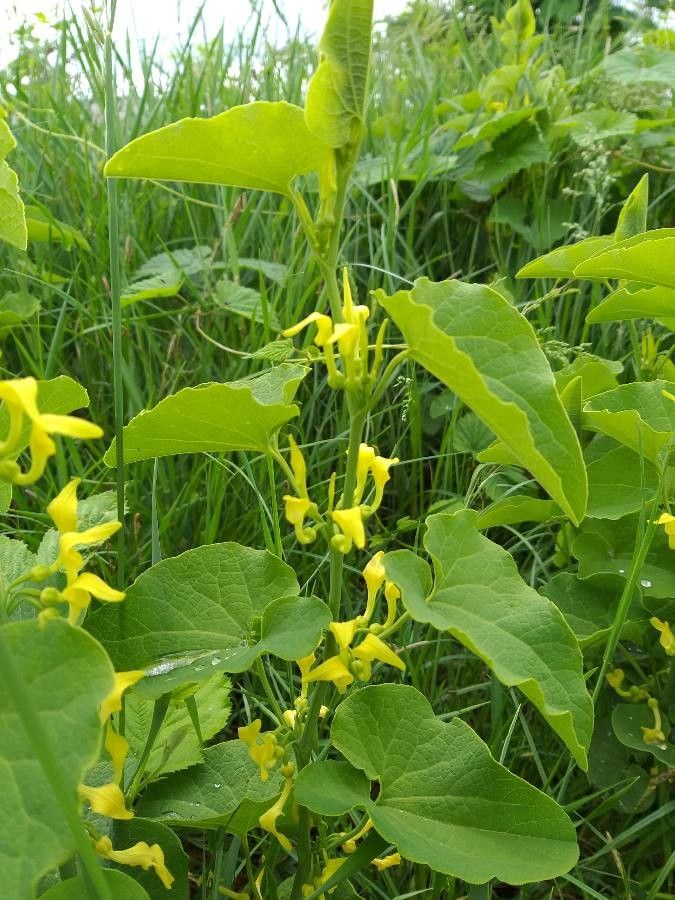
Propagating Birthwort (Aristolochia clematitis): A Gardener’s Challenge
Introduction
Aristolochia clematitis, commonly known as birthwort, is a charming yet somewhat controversial herbaceous perennial vine. Its heart-shaped leaves and unique, pipe-shaped flowers, often described as bizarrely beautiful, lend it significant horticultural interest. While its aesthetic appeal attracts many gardeners, its propagation is not always straightforward. The plant’s somewhat aggressive growth habit and the presence of nephrotoxic aristolochic acids (which necessitate caution in handling) add another layer of complexity. Its popularity, however, stems from its distinctive appearance and its role as a host plant for certain swallowtail butterflies. Successfully propagating birthwort offers a unique gardening reward.
Seed Germination
Seed germination of Aristolochia clematitis is possible but notoriously challenging. The seeds possess a hard seed coat, requiring scarification to initiate germination. Further complicating matters, the seeds often exhibit dormancy, necessitating a period of cold stratification.
Challenges: Hard seed coat, dormancy, low germination rates.
Practical Tips: The seed coat can be scarified mechanically (scoring it with sandpaper) or chemically (using a concentrated sulfuric acid solution – caution is strongly advised due to the corrosive nature of sulfuric acid). Following scarification, cold stratification (at approximately 4°C for 8-12 weeks) is recommended before sowing in a well-drained seed-starting mix. Maintain consistently moist (but not waterlogged) conditions. High humidity can also aid germination.
Rewards: High genetic diversity in the resulting plants and the potential for large-scale propagation if germination is successful.
Cuttings
Propagation of Aristolochia clematitis via cuttings is a more reliable method than seed germination. Semi-hardwood cuttings taken in late summer or early autumn generally show the best results.
Challenges: Requires skillful technique to achieve successful rooting. The cuttings are somewhat susceptible to fungal diseases.
Practical Tips: Take cuttings of approximately 10-15cm lengths, removing lower leaves to prevent rot. Dip the cut ends in a rooting hormone solution to stimulate root development. Plant in a well-draining, sterile propagation mix and maintain high humidity using a propagation cloche or plastic bag. Ensure adequate light, but avoid direct sunlight.
Rewards: Faster propagation compared to seed germination, relatively higher success rate.
Division
Division of established Aristolochia clematitis plants is also a viable method. This is best carried out in spring or autumn.
Challenges: Requires established plants, can disrupt the existing plants, may need careful handling due to potentially brittle roots.
Practical Tips: Carefully dig up the mature plant, gently separating the root mass into smaller sections, ensuring each division has sufficient roots and shoots. Replant the divisions immediately in a well-prepared bed with similar soil conditions to the original location. Water well upon planting.
Rewards: Relatively easy and reliable compared to seed germination, allowing for quick increases in the number of plants.
Tissue Culture
Tissue culture propagation of Aristolochia clematitis is possible but requires specialized equipment, aseptic techniques, and expertise in plant tissue culture. This is not a method readily accessible to the average home gardener.
Challenges: Requires specialized equipment, sterile environment, and highly specialized knowledge.
Practical Tips: This method is best left to research institutions and specialized propagation nurseries.
Rewards: Potential for high-volume propagation and disease-free plants.
Conclusion
Propagating Aristolochia clematitis presents challenges but also significant rewards. While seed germination offers genetic diversity but is unreliable, cuttings provide a more reliable option, and division is the simplest for established plants. Tissue culture remains a specialized and advanced technique. The satisfaction derived from successfully cultivating this unique plant, especially after overcoming the initial hurdles, is undeniable. The unique, almost otherworldly flowers and the gratification of nurturing a plant with somewhat demanding propagation needs makes the effort worthwhile for dedicated gardeners. Don’t be discouraged by early setbacks; careful planning and meticulous execution are key to success in propagating this fascinating vine.