
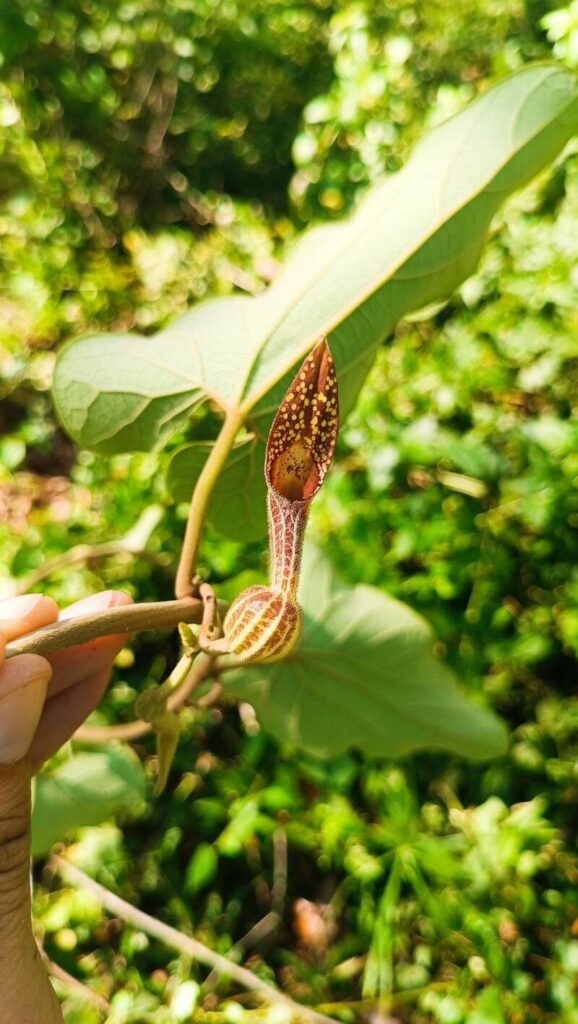
Propagating Aristolochia constricta: A Gardener’s Guide to the Pipevine
Aristolochia constricta, commonly known as the pipevine, is a captivating vine prized for its unusual, intricately shaped flowers resembling pipes or Dutch shoes. Its striking blooms often attract pollinators with their unique, sometimes foul-smelling, fragrance. This fascinating plant’s popularity amongst gardeners stems from its bold aesthetic, relative ease of care (once established), and its role as a host plant for Pipevine Swallowtail butterflies (Battus philenor). However, propagation can prove challenging, making successful cultivation all the more rewarding.
Seed Germination:
Currently, there are no known reliable methods for seed germination propagation of Aristolochia constricta. While seeds are produced, their germination rate is notoriously low, even under ideal conditions. Further research into specific germination requirements is needed to develop a viable seed propagation technique. The significant challenges likely involve dormancy mechanisms within the seed itself.
Cuttings:
Cuttings offer a more promising avenue for propagating Aristolochia constricta.
-
Challenges: Success with cuttings depends heavily on timing and technique. Hardwood and semi-hardwood cuttings are potential options, but rooting can be slow and inconsistent. The vine’s somewhat brittle nature makes handling cuttings delicate.
-
Practical Tips: Take cuttings in late spring or early summer from actively growing, non-flowering stems. Use a sharp, clean blade to make 4-6 inch cuttings, removing lower leaves to reduce water loss. Dip the cut ends in rooting hormone before planting in a well-draining propagation mix (e.g., perlite and peat moss). Maintain consistently moist (but not soggy) conditions and high humidity (e.g., using a humidity dome). Bottom heat can significantly improve rooting success.
- Rewards: Cuttings offer a relatively quick way to produce genetically identical copies of a desirable mother plant, preserving its specific characteristics. This method is suitable for smaller-scale propagation.
Division:
Division is a feasible method, but is limited by the size and age of the existing plant.
-
Challenges: Aristolochia constricta has a relatively shallow root system, so careful excavation is crucial to avoid damaging the roots. Successful division requires the plant to be mature enough to possess multiple established stems.
-
Practical Tips: Divide the plant in early spring or late autumn, when it is less actively growing. Ensure that each division contains substantial root mass and several healthy stems. Replant immediately in well-draining soil, keeping the roots moist until re-establishment.
- Rewards: Division allows for the multiplication of a healthy plant without the time investment of cuttings or the uncertainties of other methods. This propagation technique is limited in the number of plants produced from one mature plant.
Tissue Culture:
Tissue culture, a sophisticated laboratory technique, offers a potential solution to the propagation challenges of Aristolochia constricta.
-
Challenges: Establishing sterile culture conditions and developing optimal media formulations are complex processes that require specialized equipment, skill, and expertise. This method is the most expensive and time-consuming.
-
Practical Tips: This method is best left to specialized nurseries or research facilities with the necessary resources and expertise.
- Rewards: Tissue culture allows for the mass propagation of genetically identical plants, potentially addressing the limitations of other methods. This method is important for preserving rare or endangered varieties.
Conclusion:
Propagating Aristolochia constricta presents distinct challenges, with cuttings proving the most readily accessible method for the home gardener. While seed germination remains unreliable, and tissue culture demands significant resources, the rewards are well worth the effort. The unique satisfaction of cultivating this captivating vine, its beautiful flowers, and its role in supporting native wildlife, far outweighs the hurdles. For the aspiring propagator, patience, attention to detail, and a willingness to experiment are key to success. Don’t be discouraged by initial setbacks—persistent effort will eventually yield the fruits (or rather, the vines) of your labor.