
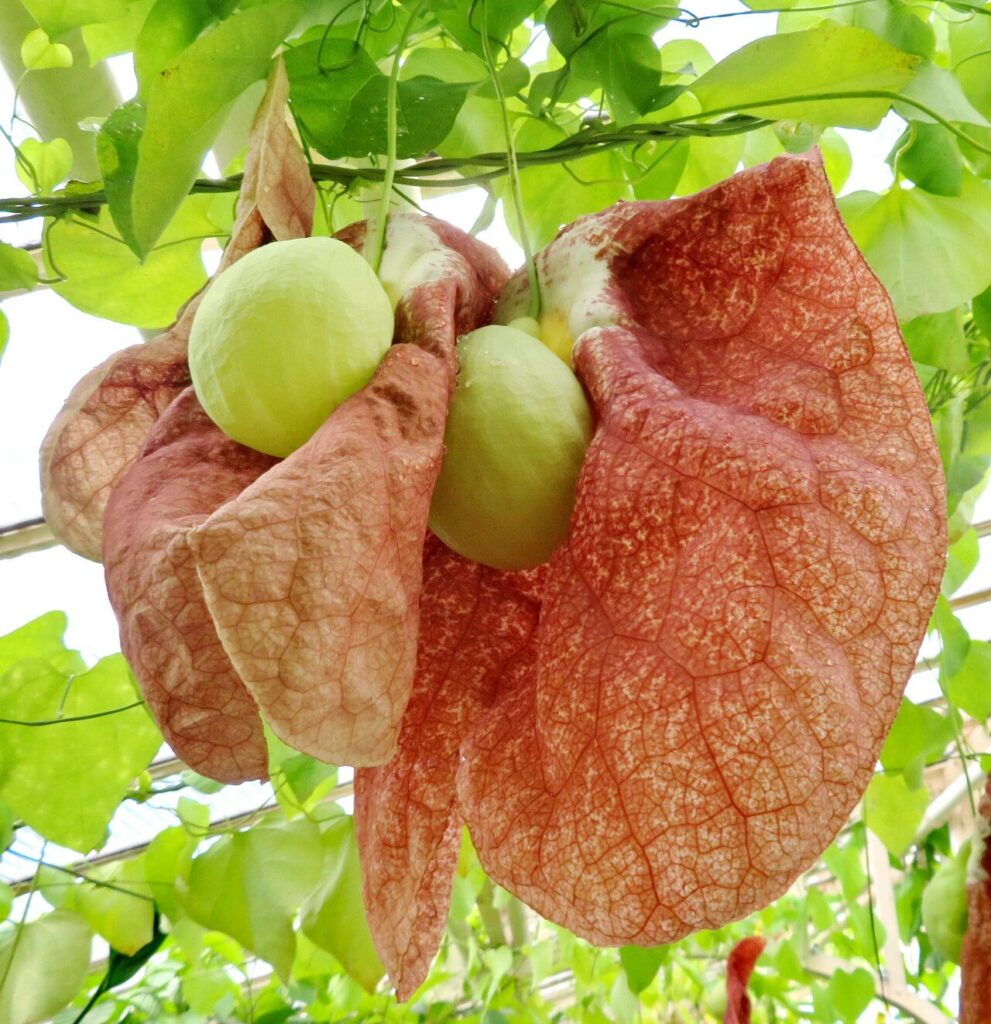
Propagating the Giant Pelican Flower: A Gardener’s Guide to Aristolochia grandiflora
Introduction
Aristolochia grandiflora, commonly known as the Giant Pelican Flower or Dutchman’s Pipe Vine, is a captivating vine renowned for its exceptionally large, bizarrely shaped flowers. These blooms, reaching up to 30cm in length, resemble a pelican’s head and pouch, hence the common name. Its unique appearance and relatively easy cultivation have led to significant popularity among gardeners seeking a dramatic addition to their landscapes. However, propagating this striking plant presents unique challenges, and success requires patience and specific techniques. This article examines various propagation methods, exploring both their viability and the rewards they offer.
Seed Germination:
Currently, there are no known reliable methods for seed germination propagation of Aristolochia grandiflora. While seeds may be produced, their germination rate is extremely low, even under optimal conditions. Extensive research has not yielded consistent success with techniques like stratification or any specific pre-treatment. The challenges are likely related to the recalcitrant nature of the seeds, perhaps due to factors like short viability or inhibitory compounds within the seed coat.
Cuttings:
Cuttings offer a more reliable method for propagating Aristolochia grandiflora.
Challenges: Semi-hardwood cuttings are generally recommended, taken from new growth in late spring or early summer. Rooting can be slow and requires a high humidity environment to prevent desiccation. The success rate can vary depending on the health of the parent plant and the cleanliness of the cutting tools.
Practical Tips: Take 10-15cm cuttings, removing lower leaves to prevent rotting. Dip the cut ends in a rooting hormone powder before planting in a well-draining, moist potting mix. Cover the cuttings with a clear plastic bag or cloche to maintain humidity. Bottom heat can significantly improve rooting success.
Rewards: Cuttings offer a relatively quick method to produce genetically identical plants, preserving desirable traits from the parent plant. This is beneficial for maintaining specific cultivars or rapidly increasing the number of plants.
Division:
Division is a relatively successful propagation method for established Aristolochia grandiflora plants.
Challenges: This method is only possible with mature, well-established plants possessing a substantial root system. Care must be taken to avoid damaging the sensitive roots during division, potentially impacting the survival and growth of the divided portions.
Practical Tips: Divide the plant during its dormant phase (late autumn or early spring) after carefully digging it up. Ensure each division contains a healthy portion of roots and sufficient stems. Plant the divisions immediately in well-drained soil, ensuring adequate watering and shade during establishment.
Rewards: Division allows the rapid expansion of existing plants, creating multiple specimen plants without the time investment required for cuttings. It ensures established, larger plants.
Tissue Culture:
Tissue culture offers a potential yet complex and specialized method for propagating Aristolochia grandiflora.
Challenges: Tissue culture requires specialized equipment, sterile lab conditions, and expertise in plant tissue culture techniques. Establishing protocols for Aristolochia grandiflora may require considerable experimentation and research. Contamination is a significant risk, frequently leading to failure.
Practical Tips: This method will necessitate professional lab facilities and experienced personnel. Research into suitable growth media and hormone concentrations is essential.
Rewards: Tissue culture allows for rapid and large-scale propagation, producing many disease-free plants. It is also useful for the conservation of rare or endangered varieties.
Conclusion
While propagating Aristolochia grandiflora presents unique challenges, particularly regarding seed germination, the rewards of successfully cultivating this magnificent vine are substantial. Cuttings and division offer practical, albeit somewhat labor-intensive methods appropriate for home gardeners. The unique satisfaction of nurturing a cutting into a flowering vine, or successfully establishing a division from a mature plant, surpasses the effort involved. For large-scale propagation or conservation efforts, tissue culture holds immense potential, although it necessitates specialized expertise and resources. The persistence and attention to detail required highlight the special connection forged between gardener and plant, a connection that deepens with each successfully propagated Giant Pelican Flower. Aspiring propagators should be patient, persistent, and prepared to learn from their successes and failures. The breathtaking beauty of the resulting blooms will be well worth the endeavor.