
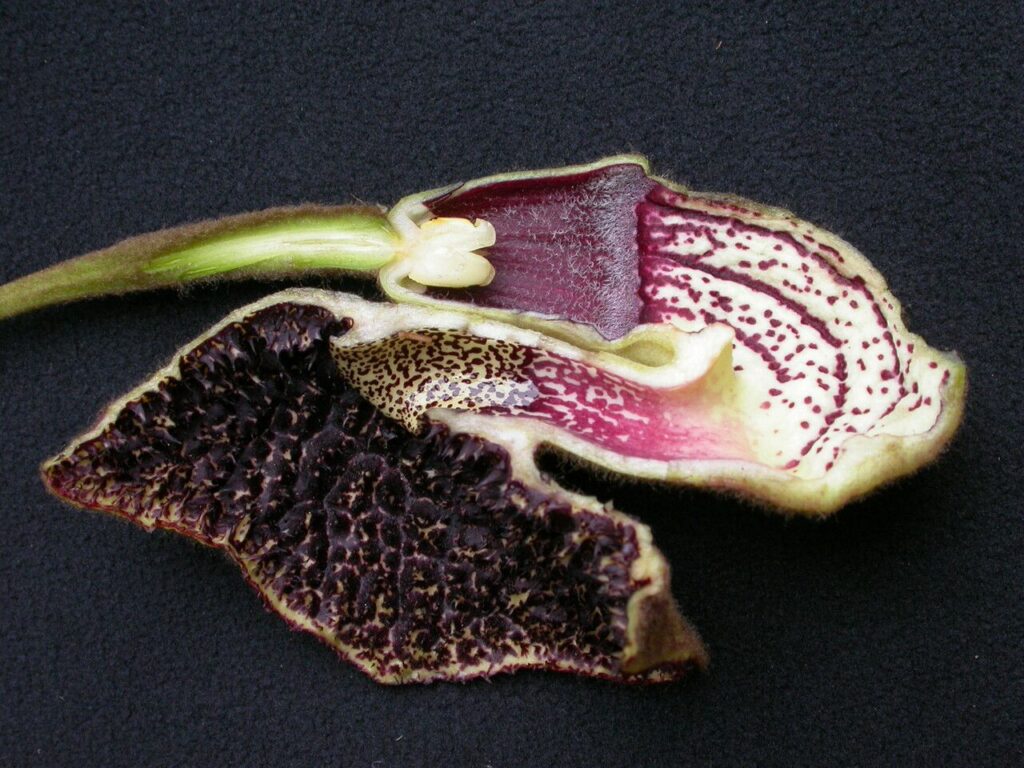
Propagating Aristolochia griffithii: A Gardener’s Guide to the Pipestem Vine
Aristolochia griffithii, commonly known as the Pipevine or Dutchman’s Pipe (although this common name is shared by many Aristolochia species), is a captivating climber prized for its uniquely shaped, often bizarrely attractive flowers. Its heart-shaped leaves and vigorous growth make it a desirable addition to any garden with appropriate conditions, particularly those providing a supportive structure for climbing. However, propagating this striking plant can be challenging, demanding patience and a keen understanding of its particular needs. This article explores the various methods of propagation, outlining their successes and challenges.
Seed Germination:
Currently, there are no known reliable methods for seed germination propagation of Aristolochia griffithii. While some Aristolochia species germinate relatively easily, A. griffithii seeds appear to have a low germination rate and often exhibit dormancy issues, making seed propagation impractical for most gardeners. Further research is needed to determine optimal germination protocols, potentially involving specific stratification techniques or hormonal treatments. The potential reward of achieving germination, however, would be access to a wider genetic diversity within your plant population.
Cuttings:
Propagating A. griffithii from semi-hardwood cuttings offers a more reliable method of propagation than seed. The challenges lie in achieving sufficient rooting.
- Challenges: Cuttings can be prone to fungal diseases if not kept in sterile conditions and moist enough. The rooting process can be slow and success rates may vary greatly depending on environmental factors like humidity and temperature.
- Practical Tips: Take cuttings in late spring or early summer from actively growing stems. Use a sharp, clean blade to prevent the spread of disease. Treat the cuttings with a rooting hormone to enhance root development. Plant them in a moist, well-draining rooting medium like a perlite/peat moss mix. Provide high humidity (e.g., using a propagation dome) and bottom heat to stimulate root growth.
- Rewards: Cuttings produce genetically identical plants to the parent, ensuring the desirable traits are preserved. This method allows for efficient propagation of a specific cultivar or particularly attractive specimen.
Division:
Division of established plants is a viable propagation method for Aristolochia griffithii, particularly when the plant becomes overcrowded or needs to be divided for garden management reasons.
- Challenges: Care must be taken to avoid damaging the roots, which are quite fragile. Plants require careful division during their dormant season to minimise stress and improve the chances of survival of the newly divided plants.
- Practical Tips: Divide the plant during late autumn or early spring when it is dormant. Ensure each section has adequate roots and a sufficient amount of top growth. Plant the divisions immediately into well-prepared soil and ensure adequate watering until they are re-established.
- Rewards: Division is a relatively quick and easy method of propagation, ideal for increasing the number of plants rapidly. It requires less specialized knowledge than cuttings or tissue culture.
Tissue Culture:
Tissue culture offers the potential for large-scale propagation of A. griffithii, overcoming the limitations of other methods.
- Challenges: Tissue culture requires specialized equipment, a sterile environment, and knowledge of plant tissue culture techniques. It can be expensive and time-consuming compared to other propagation methods.
- Practical Tips: A specialist tissue culture laboratory is generally required. This technique is best left to professionals or those with extensive experience in plant propagation. Protocols would need to be developed specifically for A. griffithii.
- Rewards: This method enables rapid multiplication of plants and the production of disease-free stock. It also offers possibilities for genetic improvement through micropropagation techniques.
Conclusion:
Propagating Aristolochia griffithii presents a unique set of challenges, varying based on the chosen method. While seed propagation currently remains unreliable, cuttings and division provide viable options for the home gardener. Tissue culture offers the most significant potential for large-scale production, but the technical expertise and investment required are substantial. The unique satisfaction of successfully cultivating this beautiful and fascinating plant, after navigating its propagation hurdles, is a reward in itself. Patience, persistence, and careful attention to detail are essential elements in achieving success and experiencing the pleasure of growing your own collection of magnificent Aristolochia griffithii. Don’t be discouraged by initial setbacks – the rewarding beauty of this plant makes the effort worthwhile.