
Propagating Aristolochia guentheri: A Gardener’s Guide to the Pipevine
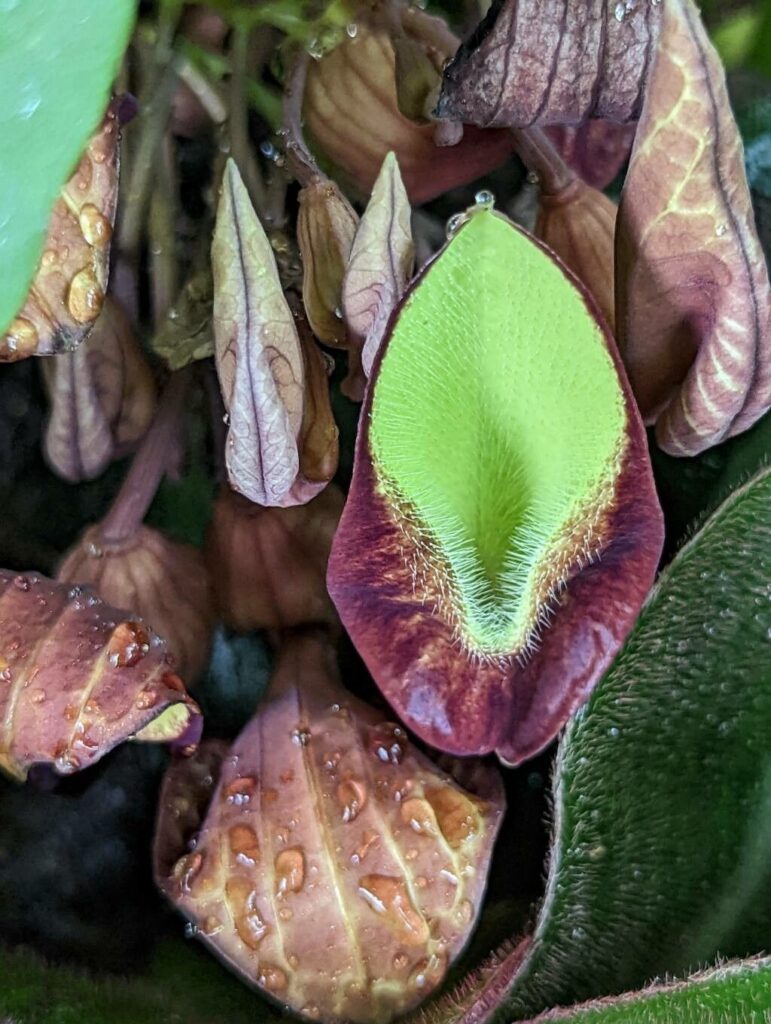
Aristolochia guentheri, commonly known as the Günther’s pipevine, is a captivating climbing plant prized for its unusual, intricately shaped flowers resembling bizarre pipes or Dutch shoes. These flowers, often a deep reddish-brown with mottled interiors, attract pollinators with their unique scent and alluring form. While its beauty makes it a popular choice among gardeners, propagating Aristolochia guentheri presents some unique challenges. Its relative rarity in cultivation contributes to the limited readily available information regarding its propagation.
Seed Germination:
Currently, there are no known reliable methods for seed germination propagation of Aristolochia guentheri. While seeds may be produced, their germination rate is reportedly extremely low, often requiring specific, as yet undetermined, conditions. Further research is needed to identify successful germination protocols.
Cuttings:
Cuttings offer a potentially more viable method for propagating Aristolochia guentheri.
- Challenges: Success with cuttings depends heavily on timing and technique. The ideal time for taking cuttings is likely during the active growth phase, utilizing semi-hardwood cuttings. Root hormone application is beneficial, and maintaining high humidity via propagation trays or humidity domes is crucial to prevent desiccation.
- Tips: Take cuttings of approximately 4-6 inches long, removing the lower leaves to minimize water loss. Use a sharp, sterile blade to prevent disease transmission. Plant cuttings in a well-draining rooting medium (e.g., a mix of perlite and peat moss) and keep the medium consistently moist but not soggy.
- Rewards: Cuttings offer a relatively quick method to obtain new plants that are genetically identical to the mother plant, preserving desirable traits.
Division:
Division is another possibility, but its feasibility depends on the age and size of the established plant.
- Challenges: Aristolochia guentheri may not readily lend itself to division, as its root system might not be easily separable into viable sections. Disturbing the root system extensively could damage the mother plant, significantly impacting its health.
- Tips: Division should only be attempted on mature, well-established plants. Divide the root ball carefully, ensuring each section possesses sufficient roots and healthy stems. Plant the divisions immediately in well-draining soil.
- Rewards: Division, if successful, provides a quicker means of propagating mature cuttings than from seeds or cuttings, though opportunities will be limited.
Tissue Culture:
Tissue culture remains largely unexplored for Aristolochia guentheri.
- Challenges: Establishing reliable tissue culture protocols for this species requires specialized knowledge and laboratory facilities. The optimal media composition and growth regulators remain to be determined.
- Tips: This method requires extensive knowledge of plant tissue culture techniques. It would involve establishing sterile cultures from small plant tissues and growing them in a controlled environment.
- Rewards: Tissue culture offers the potential for large-scale propagation, disease elimination, and rapid multiplication, though significant research investment would be necessary.
Conclusion:
Propagating Aristolochia guentheri presents unique challenges. While seed propagation is currently unreliable, cuttings offer a more promising avenue, albeit with a need for careful technique and patience. Division is a possibility with established plants, and tissue culture holds great potential for future large-scale production, although it remains largely unexplored currently. The rewards, however, are significant. Successfully cultivating this striking plant, overcoming the initial hurdles, brings a deep sense of satisfaction to any gardener. Patience and persistence are key. For those willing to embrace the challenge, the unique beauty of Aristolochia guentheri will undoubtedly be a worthy reward – and perhaps a contribution to making this fascinating plant more readily available to other enthusiasts.