
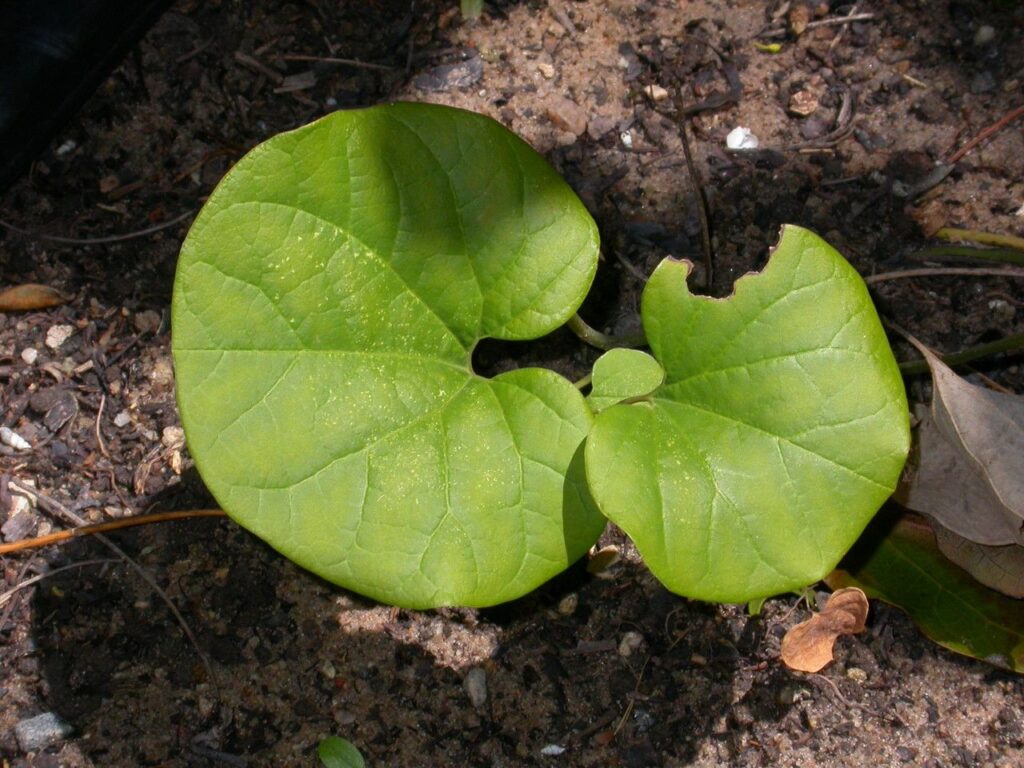
Unlocking the Secrets of Pipevine Propagation: A Guide to Growing Aristolochia holostylis
The world of plants is full of fascinating characters, and Aristolochia holostylis, commonly known as the pipevine, is no exception. This intriguing climber, with its heart-shaped leaves and uniquely-shaped flowers, is a captivating addition to any garden. But how do you go about propagating this botanical marvel? Buckle up, plant enthusiasts, as we delve into the secrets of successfully growing new pipevine plants.
The Power of Two: Seed and Cutting Propagation
Mother Nature has gifted Aristolochia holostylis with two primary modes of reproduction: seeds and cuttings. Both have their merits and challenges, offering gardeners options based on their preferences and resources.
1. Seed Starting: A Journey of Patience and Reward
Propagating Aristolochia holostylis from seed is an enriching experience, though it demands a dash of patience. Here’s a step-by-step guide:
- Seed Collection and Preparation: Harvest ripe seed pods directly from the plant, allowing them to dry thoroughly. Gently break open the pods and extract the small, papery seeds.
- Sowing the Seeds: Sow seeds in a well-draining seed starting mix. Due to their small size, simply press them lightly onto the surface, ensuring good contact with the soil.
- Providing the Right Environment: Moisture, warmth, and light are crucial for germination. Mist the soil regularly, maintain a temperature of around 70-75°F (21-24°C), and provide bright, indirect light.
- Germination and Beyond: Germination can take anywhere from a few weeks to a couple of months, so don’t despair if you don’t see sprouts immediately. Once seedlings emerge, thin them out, leaving the strongest ones to flourish.
2. Cutting Propagation: A Faster Route to New Plants
For a quicker propagation method, cuttings are your best bet:
- Taking the Cuttings: During the growing season (spring or early summer), select healthy stems. Using a sharp, sterilized knife or pruning shears, take cuttings about 4-6 inches long, ensuring each cutting contains at least two nodes.
- Preparing for Rooting: Remove the lower leaves from the cutting, leaving only a few at the top. Dip the cut end in rooting hormone (optional but beneficial) to stimulate root development.
- Planting the Cuttings: Plant the cuttings in a well-draining potting mix, burying the bottom node. Water thoroughly and maintain a humid environment by covering the pot with a plastic bag or using a humidity dome.
- Rooting and Growth: Keep the cuttings in a warm, bright location, out of direct sunlight. Roots should develop within a few weeks. Once new growth appears, it’s a sign that your cutting has successfully rooted.
Nurturing Your New Pipevine Plants
Whether you choose to propagate your Aristolochia holostylis from seed or cuttings, providing the right care is essential for their success:
- Well-Draining Soil: Pipevines despise soggy feet, so ensure they are planted in well-draining soil.
- Sun or Shade? While Aristolochia holostylis can tolerate some shade, it thrives in full sun to partial shade conditions.
- Watering Wisely: Water your pipevine regularly, keeping the soil moist but not waterlogged.
- Support for Climbing: As natural climbers, pipevines need adequate support to thrive. Provide a trellis, arbor, or fence for them to cling to.
The Joys of Pipevine: Attracting Pollinators and More
Growing Aristolochia holostylis is a rewarding endeavor. Not only will you enjoy its unique beauty, but you’ll also be contributing to the ecosystem by supporting pollinators like the Pipevine Swallowtail butterfly, whose caterpillars rely on this plant as their sole food source. So go forth, propagate, and bask in the wonders of the pipevine!