
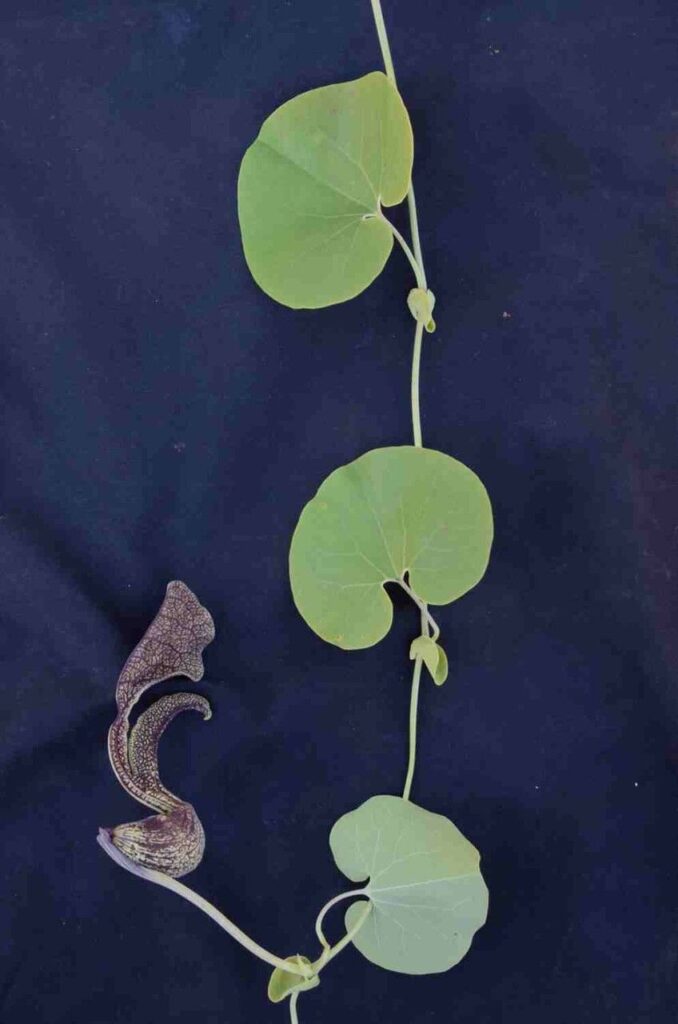
Propagating the Pelican Flower: A Guide to Aristolochia labiata
Introduction:
Aristolochia labiata, commonly known as the pelican flower, is a captivating vine renowned for its dramatically shaped, maroon and cream-colored flowers that resemble a pelican’s head. Its unique beauty and relatively easy cultivation have made it a highly sought-after plant among gardeners, particularly those interested in attracting pollinators like hummingbirds. However, propagating this striking vine can present some unique challenges. While aesthetically rewarding, success often depends on understanding its specific propagation needs.
Seed Germination:
Currently, there are no known reliable methods for seed germination propagation of Aristolochia labiata. While seeds may be produced, their viability is extremely low, and successful germination rates are reported to be negligible. The reasons for this are largely unknown, but it may be linked to complex germination requirements or short seed viability periods.
Cuttings:
Cuttings offer a more reliable method for propagating Aristolochia labiata.
Challenges: Success rates vary depending on timing and technique. Hardwood cuttings are generally less successful than semi-hardwood or softwood cuttings taken during the active growing season. Rot is a major problem, requiring meticulous attention to hygiene and the avoidance of overly moist conditions.
Practical Tips: Take semi-hardwood cuttings (partially matured stems) in late spring or early summer. Cuttings should be 4-6 inches long, with several nodes. Remove lower leaves to prevent rot. Dip the cut ends in rooting hormone to stimulate root development. Plant in a well-draining, sterile propagation mix (e.g., a mixture of perlite and peat moss). Maintain high humidity (e.g., using a propagator or humidity dome) and consistent moisture without overwatering. Bottom heat can also significantly improve rooting success.
Rewards: Cuttings provide a relatively quick way to create genetically identical plants, preserving desirable characteristics of the parent plant.
Division:
Division is a viable option, particularly for established, mature plants.
Challenges: This method is limited by the size and age of the parent plant. Care must be taken to avoid damaging the roots during division. Each division needs to contain sufficient root mass to support healthy growth.
Practical Tips: Divide the plant during the dormant season (late fall/winter) or early spring before new growth begins. Use a sharp, clean spade or knife to carefully separate the root clump into several sections, ensuring each division has healthy roots and shoots. Replant the divisions promptly in well-drained soil, avoiding overwatering until plants are established.
Rewards: Division provides a simple and effective way to increase the number of plants while ensuring the genetic characteristics of the parent plant are maintained.
Tissue Culture:
Tissue culture offers a more advanced, and potentially high-yield, method.
Challenges: This method requires specialized equipment, a sterile laboratory environment, and expertise in plant tissue culture techniques. Establishing optimal culture media and protocols for Aristolochia labiata may require experimentation.
Practical Tips: This method is best left to professionals or those with experience in plant tissue culture. It involves sterilizing plant material and culturing it on a nutrient-rich agar medium under aseptic conditions. Once plantlets develop, they can be transferred to individual pots for further growth.
Rewards: Tissue culture allows for the mass propagation of genetically identical plants, offering significant potential for large-scale cultivation and the preservation of rare varieties.
Conclusion:
Propagating Aristolochia labiata presents varying challenges depending on the chosen method. While seed germination is currently unreliable, cuttings offer a good balance between feasibility and efficiency for the home gardener, while division suits larger established plants. Tissue culture is an advanced option suitable for professional settings or enthusiasts with specialized skills. Despite the difficulties, the unique reward of successfully cultivating this beautiful and unusual vine is undeniable. The satisfaction of nurturing a cutting into a thriving vine, laden with its distinctive flowers, makes perseverance highly worthwhile. Embrace the process, experiment with different techniques, and the captivating beauty of the pelican flower will surely reward your efforts.