
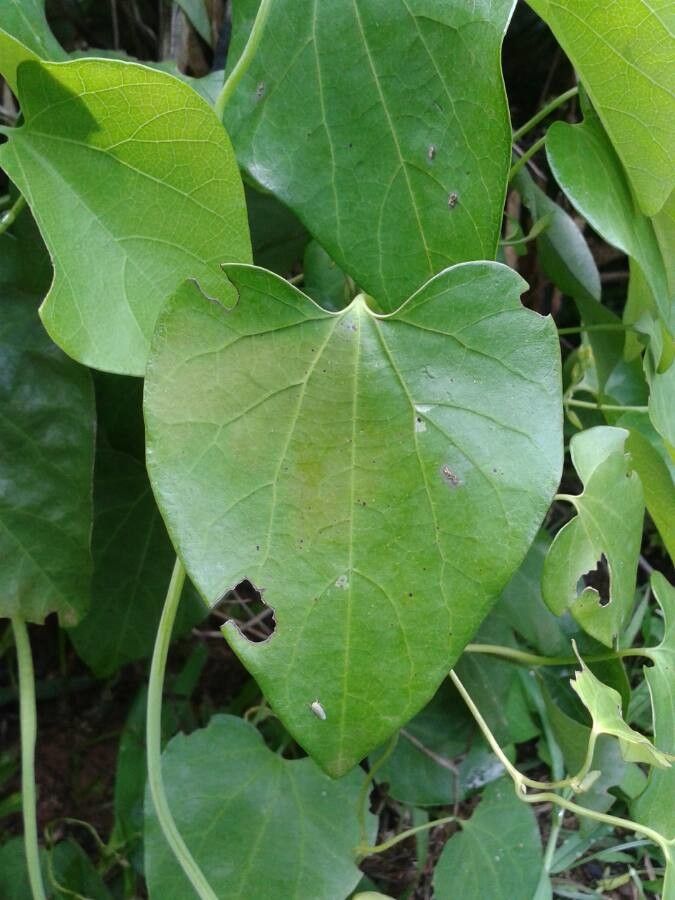
Taming the Calico Flower: Propagating Aristolochia littoralis at Home
The Aristolochia littoralis, more affectionately known as the Calico Flower or Dutchman’s Pipe, is a sight to behold. With its intricate, patterned flowers resembling delicate fabric, this climber can transform any garden into a whimsical haven. But don’t be intimidated by its exotic beauty; propagating Aristolochia littoralis can be a rewarding experience for gardeners of all levels.
Understanding the Basics
Before we delve into the ‘how-to’, let’s understand the ‘what’. Aristolochia littoralis thrives in warm climates, preferring well-drained soil and partial shade. It’s a vigorous grower, readily climbing trellises or cascading from hanging baskets.
Propagation Methods
There are two primary methods for propagating Aristolochia littoralis:
1. Seed Propagation:
- When: Spring
- Source: Collect ripe seed pods from existing plants (they resemble miniature pumpkins!). Let them dry and then extract the seeds.
- Process:
- Sow the seeds in a well-draining seed-starting mix.
- Mist the surface and keep the soil consistently moist.
- Provide warmth (around 70-75°F) and indirect sunlight.
- Germination can take anywhere from a few weeks to a couple of months, so be patient.
- Pros: Inexpensive, potential for a large number of plants.
- Cons: Time-consuming, germination rates can be inconsistent.
2. Stem Cuttings:
- When: Late spring or early summer
- Source: Select healthy, non-flowering stems from an established plant.
- Process:
- Cut a 4-6 inch section of stem just below a leaf node.
- Remove the leaves from the lower half of the cutting.
- Dip the cut end in rooting hormone (optional but recommended).
- Plant the cutting in a pot filled with a well-draining potting mix.
- Keep the soil consistently moist and place the pot in a warm, brightly lit location, but out of direct sunlight.
- Pros: Higher success rate, replicates the parent plant’s characteristics.
- Cons: Requires access to an existing plant.
Care for Your New Plants
Once your Calico Flower seedlings or cuttings show signs of growth, you know you’re on the right track. Here’s how to care for them:
- Light: Provide bright, indirect sunlight. Avoid direct sunlight, especially for young plants.
- Water: Water regularly, keeping the soil moist but not soggy.
- Humidity: Aristolochia littoralis appreciates moderate to high humidity, so misting the leaves regularly can be beneficial.
- Fertilizer: Feed with a balanced liquid fertilizer diluted to half strength, every 4-6 weeks during the growing season.
A Rewarding Experience
Propagating your own Aristolochia littoralis can be incredibly rewarding. As you witness your new plants thrive and eventually produce those stunning, intricate flowers, you’ll experience the joy of nurturing a plant from its very beginnings. So, why not give it a try? With a bit of patience and care, you too can welcome the fascinating Calico Flower into your garden haven.