
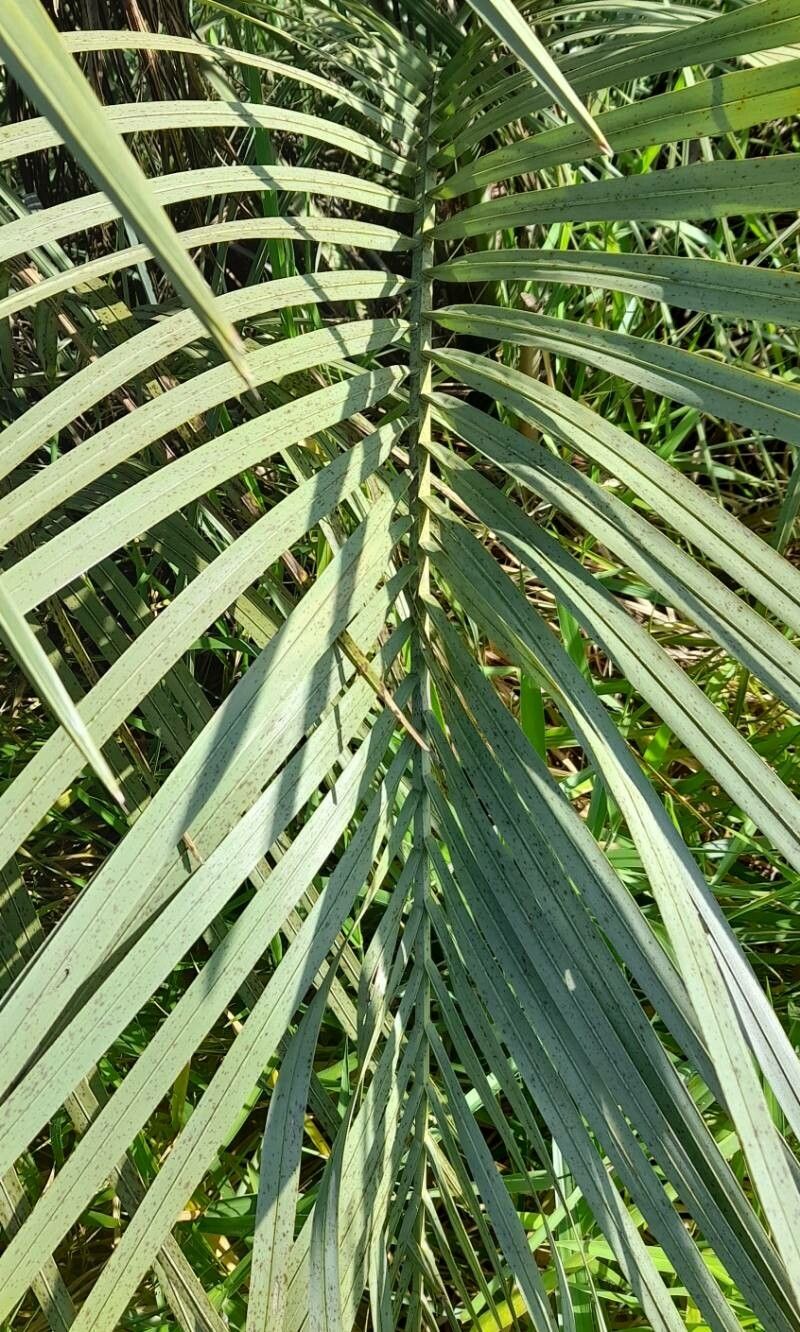
Cracking the Code: How to Propagate Your Very Own Butia Paraguayensis
The Butia paraguayensis, more affectionately known as the Pindo Palm, is a sight to behold. With its graceful arching fronds and potential for producing delicious jelly-making fruit, it’s no wonder you’re looking to multiply your Pindo pleasure! While purchasing a sapling might seem easiest, propagating your own palm is incredibly rewarding. Let’s dive into the fascinating world of Butia paraguayensis propagation!
Method One: The Seed Route (Patience is a Virtue!)
- Source your seeds: Harvest ripe fruits (they’ll be a yellowish-orange) from an existing palm, or purchase viable seeds from a reputable supplier.
- Prep those seeds: The outer fleshy part of the fruit contains germination inhibitors. Remove this pulp by soaking the seeds in water for a few days, changing the water daily. You can then gently scrub any remaining pulp off the hard seed.
- Time to sow! Plant your seeds in a well-draining seed starting mix, about an inch deep. Keep the mix consistently moist but not waterlogged.
- Play the waiting game: Pindo Palm seeds are notoriously slow germinators. Don’t be surprised if it takes anywhere from a few months to a year (yes, really!) to see a sprout.
Method Two: Offsetting for Faster Results
Mature Pindo Palms sometimes produce offshoots, or “pups,” at their base. These pups can be separated and potted up to create new plants.
- Timing is key: Divide pups in spring or early summer for best results.
- Identify a suitable pup: Choose pups that have developed their own root system. Gently excavate the area around the pup to check for roots.
- Separation anxiety? We got this! Using a sharp, clean knife or saw, carefully separate the pup from the mother plant, ensuring you retain as much of the pup’s root system as possible.
- Pot it up! Plant the pup in a container slightly larger than its root ball using a well-draining potting mix.
- TLC is crucial: Keep the newly potted pup in a shaded area and provide consistent moisture as it establishes itself.
Nurturing Your New Palms:
Regardless of your chosen propagation method, providing the right care is essential for success:
- Sunlight: While young, your Pindo Palms will appreciate some shade, particularly during the hottest part of the day. As they mature, they’ll thrive in full sun.
- Water: Water deeply but infrequently, allowing the soil to dry out slightly between waterings. Avoid overwatering, which can lead to root rot.
- Soil: Well-draining soil is essential. Amend heavy soils with sand or compost to improve drainage.
- Fertilizer: Feed your palms with a balanced palm fertilizer during the growing season.
Propagating Butia paraguayensis might require a touch of patience, but the reward of watching your very own palm flourish makes it all worthwhile. So roll up your sleeves, get your hands a little dirty, and enjoy the journey of growing these magnificent palms!