
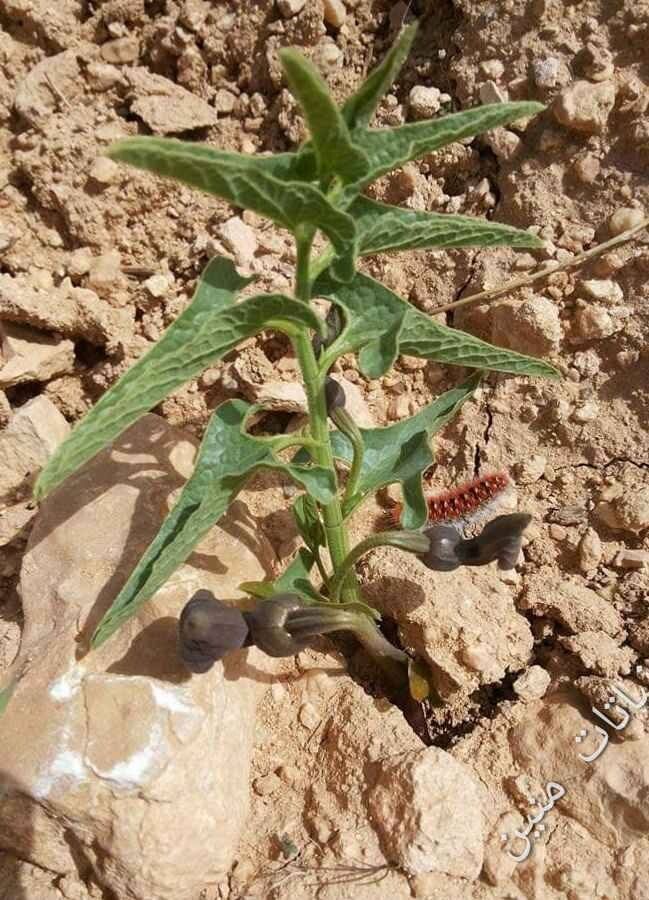
From Seed to Stunner: Propagating the Elegant Dutchman’s Pipe (Aristolochia maurorum)
The Dutchman’s Pipe, with its distinctive, alien-looking flowers, is a unique and captivating plant that can add a touch of the exotic to any garden. But did you know that you can easily propagate this beauty yourself? Whether you’ve fallen in love with your existing plant or want to share its splendor with friends, propagation is a rewarding way to expand your collection of Aristolochia maurorum.
From Seeds to Seedlings:
For those starting from scratch, seed propagation is a fun and achievable method. Aristolochia maurorum seeds are readily available online or from specialized nurseries. Here’s a step-by-step guide:
- Soak the Seeds: Before sowing, soak your seeds overnight in lukewarm water. This helps to soften the outer coat and encourage germination.
- Prepare the Soil: Choose a well-draining seed starting mix or a mixture of peat moss, perlite, and vermiculite. Fill small pots or seed trays with this mix and lightly moisten it.
- Sow the Seeds: Press the seeds gently into the soil, burying them about ¼ inch deep. Space the seeds about an inch apart.
- Provide Light and Moisture: Cover the pots or trays with a clear plastic dome or sheet to retain moisture and warmth. Place them in a bright, indirect light location.
- Patience is Key: Germination can take a few weeks or even months. Maintain consistent moisture and wait patiently for the tiny seedlings to emerge.
Taking Cuttings for Instant Gratification:
If you’re looking for faster results, taking cuttings from your existing plant is the way to go. The best time to propagate by cuttings is in spring or early summer.
- Choose the Right Cuttings: Select healthy, non-flowering stems from the current season’s growth. The ideal cutting should be about 4-6 inches long.
- Prepare the Cuttings: Use a sharp knife or pruning shears to make clean cuts just below a leaf node. Remove the leaves from the bottom inch of the cutting.
- Root Hormone (Optional): Dipping the cut end in rooting hormone can encourage root development.
- Plant the Cuttings: Fill small pots with a well-draining potting mix. Make a hole in the soil and insert the cutting, burying it up to the leaf nodes.
- Create a Humid Environment: Cover the pot with a clear plastic bag or dome to create a humid environment. This will help the cuttings to root quickly.
- Maintain Moisture: Keep the potting mix consistently moist, but not soggy.
- Transplantation: Once roots have developed (usually within a couple of months), you can transplant your new plants into larger pots.
Special Care for Your New Dutchman’s Pipes:
Regardless of your propagation method, your new Aristolochia maurorum plants need some special attention. They prefer a sunny or partially shaded spot with well-draining soil.
- Regular Watering: Water your plants consistently, making sure the soil doesn’t dry out completely.
- Fertilizer: Feed your plants with a balanced fertilizer every few weeks during the growing season.
- Support: As the plant grows, you may need to provide a trellis or other support to help the stems climb.
By following these simple steps and providing the right conditions, you can enjoy the unique beauty of Dutchman’s Pipe for years to come. Whether you’re a seasoned gardener or a beginner, propagating this fascinating plant is a rewarding and fulfilling experience.