
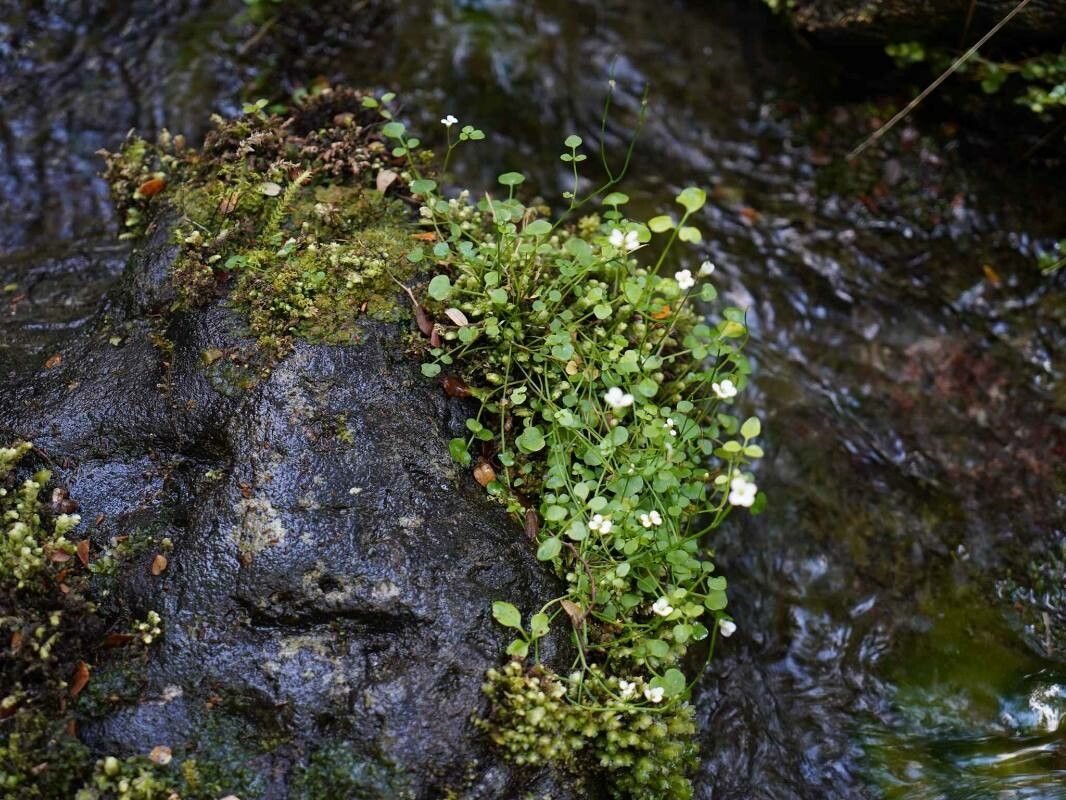
Unlock the Secrets of Cardamine corymbosa Propagation: A Beginner’s Guide
You’ve fallen in love with the delicate beauty of Cardamine corymbosa, its dainty white flowers and graceful foliage adding a touch of elegance to your garden. But what if you could share that beauty with friends or expand your own collection? The good news is, Cardamine corymbosa is easily propagated, making it a perfect choice for beginner gardeners. Let’s dive into the world of propagation and learn how to multiply your plants.
Understanding the Basics:
Propagation refers to the process of creating new plants from existing ones. Cardamine corymbosa, commonly known as “bittercress” or “cutleaf bittercress,” is a versatile plant that can be propagated through two primary methods: seed and division. Each method comes with its own benefits and considerations, so let’s explore them both.
1. Propagation by Seed:
- Collecting Seeds: Once your Cardamine corymbosa blooms, it will produce seed pods. These pods turn brown and dry as the seeds mature. Harvest them before they burst open and scatter.
- Sowing Seeds: The ideal time to sow Cardamine corymbosa seeds is during the fall or winter months. This allows the seeds to stratify (experience a cold period) before germinating. You can sow seeds directly in your garden or start them indoors.
- Direct Sowing: Choose a well-drained spot in your garden and gently press the seeds into the soil. Keep the soil moist but not soggy.
- Indoor Sowing: Fill seed trays with a seed-starting mix and sow the seeds sparsely. Cover them lightly with a thin layer of soil and mist gently. Place the tray in a bright, cool location.
2. Propagation by Division:
Cardamine corymbosa is a clump-forming plant, making it well-suited for propagation by division. This method is best performed in the spring or early fall.
- Preparing for Division: Choose a healthy clump of Cardamine corymbosa and carefully dig it up.
- Dividing the Clump: Use a sharp knife or garden trowel to divide the clump into several smaller portions. Each portion should have a healthy root system and some stems.
- Replanting: Plant the divided sections in well-prepared soil. Water them thoroughly, giving them time to establish.
Tips for Success:
- Soil Type: Cardamine corymbosa prefers moist, well-drained soil.
- Light Conditions: This plant enjoys partial shade to full shade conditions.
- Watering: Keep the soil evenly moist, but avoid overwatering.
- Fertilizer: Cardamine corymbosa is not a heavy feeder, but you can give it a light application of balanced fertilizer in the spring.
Troubleshooting:
- Slugs and Snails: These pests can damage Cardamine corymbosa seedlings.
- Diseases: While generally disease-resistant, Cardamine corymbosa can be susceptible to fungal diseases in wet conditions.
Conclusion:
Propagating Cardamine corymbosa is a rewarding experience. With a little patience and care, you can easily multiply your plants. With both seed and division methods at your fingertips, you’ll be able to share the beauty of this charming species with others or fill your garden with its delicate blooms. Enjoy the journey!