
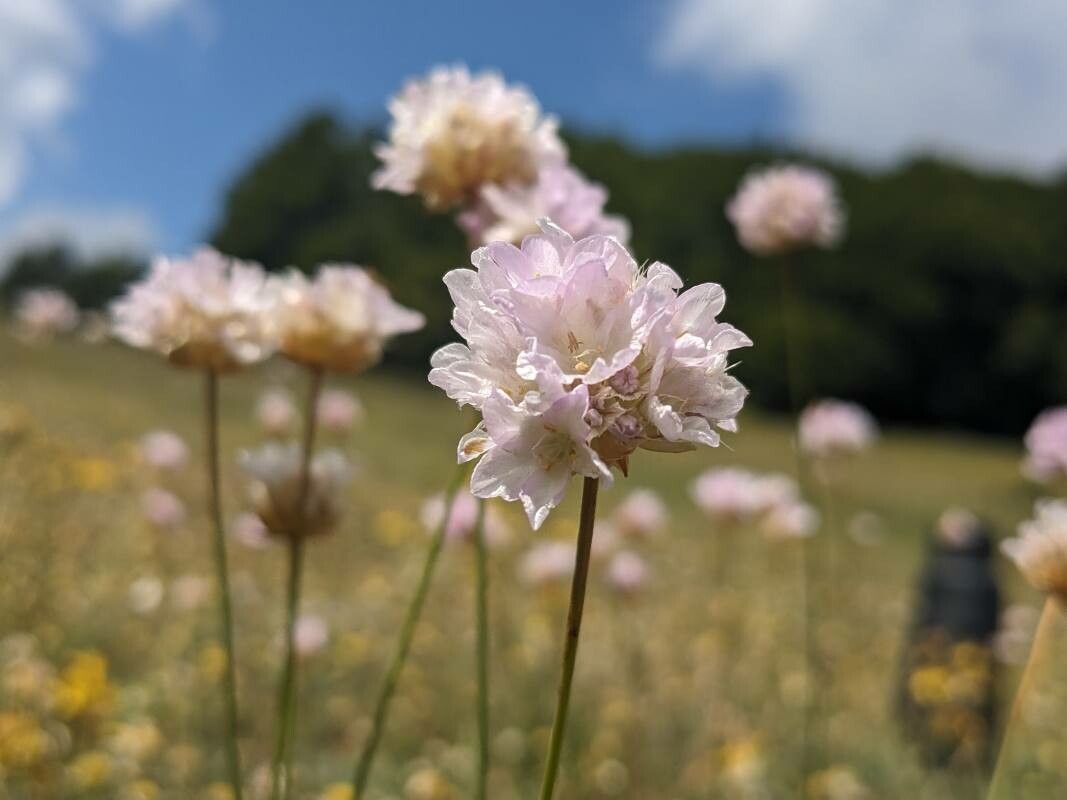
Propagating Armeria brutia: A Gardener’s Guide to the Greek Sea Thrift
Armeria brutia, commonly known as Greek Sea Thrift, is a charming evergreen perennial prized for its compact, cushion-like form and profuse, vibrant pink flower heads. Native to Greece, this tough and resilient plant thrives in well-drained soil and enjoys full sun, making it a popular choice for rock gardens, coastal plantings, and containers. Its tolerance of drought and salty conditions adds to its appeal, but propagating it can present some unique challenges. This article explores various propagation methods, weighing their viability and offering practical advice for successful cultivation.
Seed Germination:
Currently, there are no known reliable methods for seed germination propagation of Armeria brutia. While seeds may be produced, their germination rate is reportedly very low, and consistent success has not been documented. Further research is needed to determine optimal germination conditions, if any exist.
Cuttings:
Cuttings offer a more promising approach to propagating Armeria brutia.
Challenges: Rooting from cuttings can be slow and inconsistent. The success rate depends heavily on timing and technique.
Practical Tips: Semi-hardwood cuttings taken in late summer or early autumn usually yield the best results. Use a sharp knife or shears to take 4-6 inch cuttings from non-flowering stems, removing lower leaves to prevent rot. Dip the cut ends in a rooting hormone and plant them in a well-draining propagation mix (e.g., a blend of peat moss and perlite). Maintain high humidity by covering the cuttings with a plastic dome or propagator. Bottom heat can significantly improve rooting success.
Rewards: Cuttings offer a reliable means of preserving desirable traits from a parent plant, allowing the gardener to increase their stock of a specific cultivar. It’s also relatively straightforward for smaller-scale propagation.
Division:
Division is arguably the most reliable and straightforward method for propagating Armeria brutia.
Challenges: This method is best suited for established plants and requires some care to avoid damaging the roots. Over-division can weaken the plants.
Practical Tips: Spring or autumn are ideal times for division. Gently lift the entire plant from the ground and carefully separate it into smaller clumps, ensuring each division has a good root system and several healthy growing points. Replant the divisions promptly, ensuring adequate spacing between them.
Rewards: Division is relatively simple, offers a high success rate and allows for rapid multiplication of a valuable plant, especially when dealing with established, vigorous specimens.
Tissue Culture:
Tissue culture offers a potential method for mass propagation of Armeria brutia, though it’s a technically demanding and resource-intensive approach.
Challenges: Establishing sterile conditions, selecting appropriate media and growth regulators, and managing potential contamination are significant challenges. This method requires specialized equipment and expertise.
Practical Tips: This method should only be undertaken by individuals with experience in tissue culture techniques. Contact a university or commercial laboratory specializing in plant propagation for assistance.
Rewards: Tissue culture allows for mass production of genetically identical plants, offering opportunities for large-scale commercial propagation and the preservation of valuable cultivars.
Conclusion:
Propagating Armeria brutia successfully requires patience and a degree of horticultural skill. While seed germination appears unreliable, cuttings and division offer viable, albeit sometimes challenging, avenues. Tissue culture represents a high-tech option for mass production. The satisfaction derived from nurturing a cutting or division into a flourishing Greek Sea Thrift, however, far outweighs the effort involved. Embrace the challenge, experiment with different techniques, and savour the joy of cultivating this beautiful and resilient plant. Remember to always start with healthy parent plants and provide optimal conditions for each propagation method you choose.