
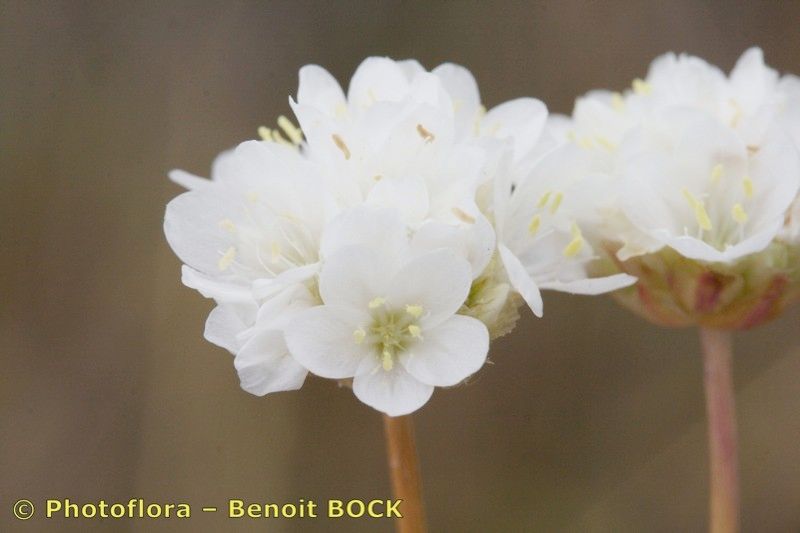
Propagating Armeria capitella: A Gardener’s Guide to the Sea Thrift
Armeria capitella, commonly known as the common thrift or sea thrift (though several Armeria species share this common name), is a prized possession in many gardens. Its charming, globe-shaped clusters of vibrant pink, red, or white flowers atop grassy foliage bring a splash of color to rock gardens, borders, and containers. Its tolerance of harsh conditions, including drought and poor soils, contributes to its popularity among gardeners, but its propagation presents some unique challenges. This article explores the various methods of propagating this resilient plant.
Seed Germination:
Currently, there are no known reliable methods for seed germination propagation of Armeria capitella. While seeds may be produced, their germination rate is notoriously low and inconsistent. The dormancy mechanisms are poorly understood, and even with stratification (a period of chilling to break dormancy) success remains unpredictable. Therefore, relying on seed propagation for Armeria capitella is not recommended for the home gardener.
Cuttings:
Propagating Armeria capitella via cuttings is a more reliable method than seed germination.
Challenges: Root development can be slow, and the success rate depends on proper technique and environmental conditions. Overwatering leads to rotting.
Practical Tips: Take semi-hardwood cuttings in late spring or early summer. Use a sharp knife or shears to take 4-6 inch cuttings, removing lower leaves to prevent rotting. Dip cuttings in rooting hormone powder before planting in a well-draining mix of peat moss and perlite. Maintain consistently moist (but not soggy) conditions and high humidity (e.g., using a propagator or plastic bag). Rooting typically takes several weeks.
Rewards: Cuttings retain the characteristics of the parent plant, offering a reliable way to increase the number of desirable cultivars.
Division:
Division is the most successful and commonly used propagation method for Armeria capitella.
Challenges: Older plants are easier to divide, while very young plants may lack sufficient root mass. Incorrect division can damage the plant, leading to failure.
Practical Tips: Divide established clumps in spring or autumn. Carefully dig up the plant, ensuring you retain as much root structure as possible. Using a sharp knife or trowel, separate the clump into smaller sections, each with its own roots and foliage. Replant the divisions immediately, ensuring good soil contact and watering gently.
Rewards: Division is straightforward, relatively quick, and offers a high success rate. It preserves genetic characteristics equally effectively as cuttings.
Tissue Culture:
Tissue culture propagation of Armeria capitella is possible but typically only undertaken in specialized nurseries or research settings.
Challenges: Requires specialized equipment, sterile conditions, and a significant amount of technical expertise. It is a costly and time-consuming method.
Practical Tips: This method is best left to professionals. Successful tissue culture involves preparing sterile explants, inoculating them onto a suitable agar-based growth medium, and maintaining aseptic conditions throughout the process.
Rewards: Tissue culture allows for large-scale propagation of genetically uniform plants, ideal for commercial purposes.
Conclusion:
While seed germination for Armeria capitella is unreliable, cuttings and, particularly, division offer readily achievable paths to propagation for the home gardener. Division stands out as the most practical and successful method. While tissue culture offers potentially large-scale propagation, its complexity makes it impractical for most hobbyists. The rewards of successfully propagating this beautiful little plant are well worth the effort, imbuing the gardener with a profound sense of satisfaction and connection with nature. Don’t be discouraged by initial setbacks; persistence and attention to detail are keys to success in propagating Armeria capitella.