
Propagating Armeria leucocephala: The Challenges and Rewards of Cultivating Sea Thrift
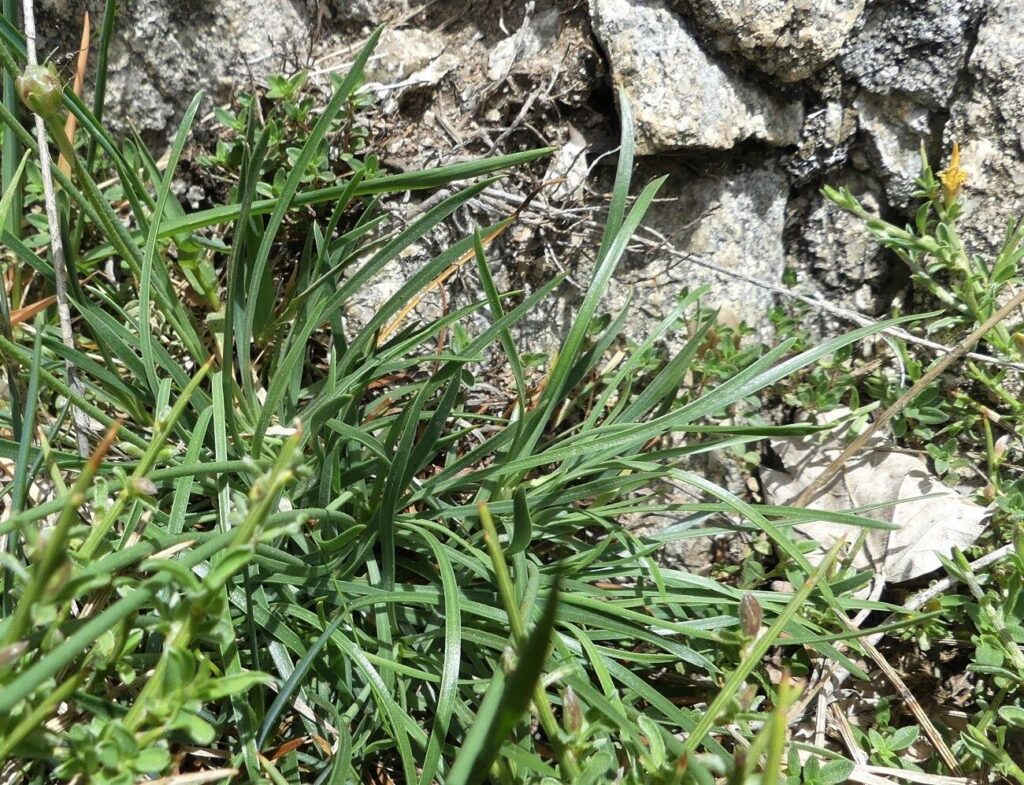
Armeria leucocephala, commonly known as white sea thrift or snow thrift, is a charming and resilient perennial prized for its dense clumps of slender, grass-like leaves topped with delightful spherical umbels of tiny, white flowers. Its compact habit and tolerance of poor, well-drained soils make it a popular choice for rock gardens, coastal plantings, and containers. However, propagating this delightful plant presents unique challenges, making its successful cultivation all the more rewarding.
Seed Germination:
Currently, there are no known reliable methods for seed germination propagation of Armeria leucocephala. While seeds may be produced, germination rates are notoriously low, and success is largely unpredictable. Factors such as dormancy mechanisms and sensitivity to environmental conditions likely contribute to the difficulties. Therefore, relying on seed propagation for this species is not a practical approach for most gardeners.
Cuttings:
Cuttings offer a far more reliable method for propagating Armeria leucocephala. The best time to take cuttings is in spring or early summer, using semi-hardwood cuttings.
- Challenges: Root development can be slow, and cuttings are susceptible to rotting if the environmental conditions are not ideal. Maintaining appropriate humidity levels is crucial.
- Practical Tips: Use a sharp knife or shears to take 4-6 inch cuttings, removing the lower leaves. Dip the cut ends in rooting hormone before planting in a well-draining propagating mix (e.g., a mix of perlite and peat moss). Cover the cuttings with a clear plastic dome or bag to maintain high humidity. Place in a bright location out of direct sunlight. Regularly mist the cuttings to keep the media moist but not waterlogged.
- Rewards: Cuttings offer a relatively quick method for producing genetically identical plants to the parent plant, ensuring desirable traits are maintained. This method allows for efficient propagation of selected cultivars.
Division:
Division is another effective method for propagating Armeria leucocephala, particularly for established clumps.
- Challenges: Overly aggressive division can damage the plant, leading to reduced vigor or even death. The best time for division is in spring or autumn.
- Practical Tips: Carefully lift the entire clump from the ground. Using a sharp knife or spade, divide the clump into smaller sections, ensuring each section has healthy roots and several growing points. Replant the divisions immediately, ensuring they are adequately watered.
- Rewards: Division is relatively straightforward and provides a rapid way to increase the number of plants. It’s suitable for smaller-scale propagation within home gardens.
Tissue Culture:
While technically possible, tissue culture propagation of Armeria leucocephala is generally not practical for the average home gardener due to its expense, specialized equipment, and sterile conditions required. This method is more suited to commercial nurseries aiming for large-scale propagation and the development of disease-free plants.
- Challenges: Establishing sterile conditions, maintaining optimal nutrient levels, and preventing contamination are crucial and complex steps in tissue culture.
- Practical Tips: This requires specialized training and laboratory equipment, making it infeasible for home propagation.
- Rewards: Tissue culture allows for mass production of disease-free plants and the rapid multiplication of desirable genotypes.
Conclusion:
Propagating Armeria leucocephala presents distinct challenges depending on the chosen method. Seed propagation is unreliable, while division and cuttings offer more feasible options for home gardeners. Tissue culture, while offering large-scale propagation advantages, demands significant expertise and equipment. The rewards, however, are substantial. Successfully propagating this delicate plant, particularly via cuttings or division, offers a unique sense of accomplishment and the satisfaction of nurturing something beautiful from a relatively small beginning. For aspiring propagators, patience, attention to detail, and a willingness to experiment are key to success. Don’t be discouraged by initial setbacks—with persistence, you’ll be rewarded with a flourishing display of these charming white flowers.