
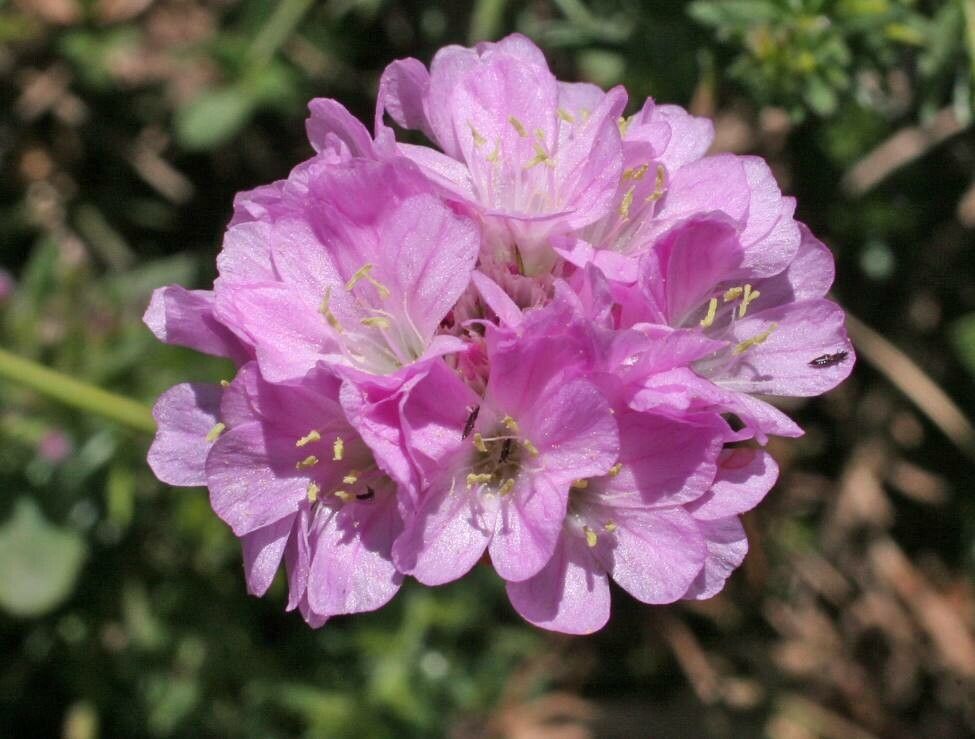
Unveiling the Secrets of Propagating the Rare and Beautiful Armeria nebrodensis
The Armeria nebrodensis, also known as the Nebrodi Thrift, is a captivating perennial boasting globes of delicate pink flowers that erupt in a breathtaking display during the spring. Native to the high elevations of Sicily, this rare beauty is a coveted addition to rock gardens, alpine gardens, and even containers for those seeking a touch of unique charm. While admiring its beauty is easy, propagating this alpine treasure might seem daunting. Fear not! This guide delves into the secrets of successfully propagating Armeria nebrodensis, allowing you to expand your garden with this rare gem.
Two Pathways to Propagation Success:
Armeria nebrodensis can be propagated through two primary methods:
- Seed Sowing: This method involves sowing seeds collected from mature plants.
- Basal Cuttings: This technique focuses on rooting cuttings taken from the plant’s base.
Each method comes with its own set of advantages and challenges. Let’s explore each in detail.
Seed Sowing: A Dance with Patience
- Seed Collection: Collect ripe seed heads from the plant in late summer or early fall. Allow them to dry thoroughly in a cool, dry place.
- Sowing Time: Sow the seeds in late winter or early spring, about 6-8 weeks before the last expected frost.
- Sowing Medium: Use a well-draining seed starting mix. Sprinkle the seeds over the surface and lightly press them down. Do not bury them; they require light for germination.
- Moisture and Light: Keep the soil consistently moist but not waterlogged. Provide bright, indirect light.
- Germination: Germination can be slow and erratic, taking anywhere from a few weeks to a couple of months. Be patient and continue providing optimal conditions.
- Transplanting: Once the seedlings have developed a couple of true leaves, gently transplant them into individual pots or into your garden after the last frost.
Basal Cuttings: Faster Results with Precision
- Timing is Key: The optimal time for taking basal cuttings is in late spring or early summer when the plant is actively growing.
- Selecting the Cuttings: Choose healthy, non-flowering shoots from the base of the plant. Cuttings should be about 3-4 inches long.
- Preparing the Cuttings: Remove the lower leaves from the cutting, leaving only a few at the top. Dip the cut end in rooting hormone (optional but recommended).
- Planting: Plant the cuttings in a well-draining potting mix. Make sure the bottom node, where you removed the leaves, is buried in the soil.
- Moisture and Humidity: Keep the soil consistently moist and provide high humidity. You can achieve this by covering the pot with a clear plastic bag or using a humidity dome.
- Root Development: Roots typically develop within 4-6 weeks. Gently tug on the cutting; resistance indicates successful rooting.
- Transplanting: Once rooted, gradually acclimate the cuttings to outdoor conditions before transplanting them to their permanent location.
Tips for Success:
- Well-Drained Soil: Armeria nebrodensis thrives in well-drained soil. Amend heavy clay soil with grit or sand to improve drainage.
- Sunlight is Crucial: Provide at least 6 hours of direct sunlight for optimal growth and flowering.
- Watering Wisely: Water deeply but infrequently, allowing the soil to dry out slightly between waterings.
- Pest and Disease Watch: Armeria nebrodensis is generally pest and disease-free, but it’s always a good idea to keep an eye out for any issues.
Propagating Armeria nebrodensis might require patience and dedication, but the rewards are well worth the effort. Imagine the satisfaction of seeing this rare beauty flourish in your garden, propagated by your own hand. So, unleash your inner gardener and embark on the journey of propagating this captivating alpine gem!