
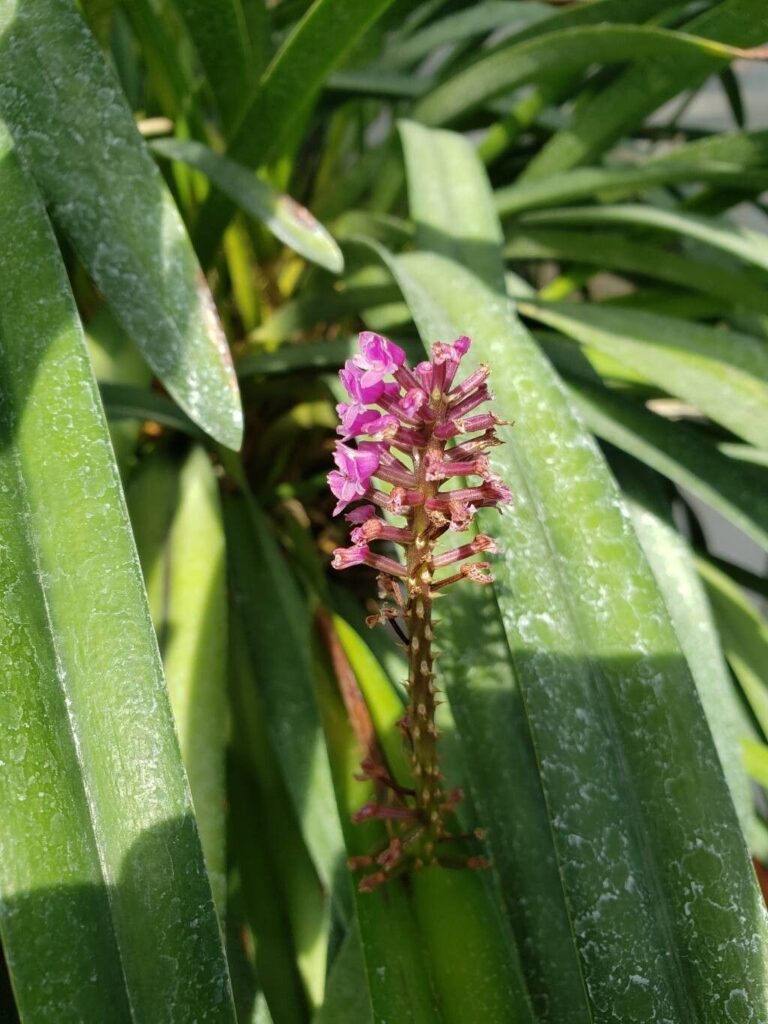
Propagating the Spiked Arpophyllum: A Gardener’s Guide to Arpophyllum spicatum
Introduction
Arpophyllum spicatum, commonly known as the Spiked Arpophyllum or, less frequently, the "Spiked Orchid," is a captivating epiphytic orchid native to Central and South America. Its slender, reed-like stems bear numerous fragrant, white or pale-green flowers arranged in dense, spike-like racemes, hence its common name. This orchid’s relatively easy cultivation, combined with its attractive blooms, has earned it a place amongst orchid enthusiasts, although propagating it presents unique challenges. While its popularity is steadily increasing, reliable propagation techniques remain a subject of ongoing exploration and refinement. The following outlines current knowledge and methods for propagating Arpophyllum spicatum.
Seed Germination
Currently, there are no known reliable methods for seed germination propagation of Arpophyllum spicatum. Orchid seeds are notoriously tiny and lack endosperm, requiring a symbiotic relationship with specific mycorrhizal fungi for germination. Establishing this symbiotic relationship in a controlled environment is exceptionally difficult, and this specific fungal partner for Arpophyllum spicatum remains largely uncharacterized, hindering successful seed germination attempts.
Cuttings
Cuttings are also not a viable method for propagating Arpophyllum spicatum. Unlike some other orchids, Arpophyllum spicatum does not readily produce adventitious roots from stem cuttings. Attempts at propagation through this method have generally proven unsuccessful.
Division
Division is the most practical and reliable method for propagating Arpophyllum spicatum. This involves separating mature plants into multiple divisions, each containing several pseudobulbs and healthy roots.
Challenges: Successfully dividing Arpophyllum spicatum requires care to avoid damaging the roots and pseudobulbs. The plant needs to be sufficiently mature, possessing enough growth to allow for division without significantly weakening the parent plant or the newly separated divisions.
Practical Tips: The best time for division is during the active growing season after flowering. Use a sharp, sterilized knife or shears to cleanly separate the plant. Ensure each division has a good root system and several pseudobulbs. Plant the divisions in a well-draining orchid potting mix, providing similar growing conditions to the parent plant.
Rewards: Division offers a relatively straightforward way to increase the number of Arpophyllum spicatum plants. It preserves the genetic characteristics of the parent plant, useful for maintaining desirable traits.
Tissue Culture
Tissue culture offers the potential for large-scale propagation of Arpophyllum spicatum, overcoming the limitations of other methods. However, this technique requires specialized knowledge, equipment, and sterile lab conditions.
Challenges: Establishing a sterile culture and identifying the optimal growth medium and hormone concentrations for Arpophyllum spicatum requires significant experimentation. The process is also relatively expensive and time-consuming.
Practical Tips: This method is best left to experienced tissue culture laboratories or advanced hobbyists with access to the necessary resources. Research on appropriate media formulations and protocols specific to Arpophyllum spicatum would be necessary.
Rewards: Tissue culture allows for rapid and large-scale propagation, enabling the production of a large number of genetically identical plants in a short period. It also presents the opportunity to eliminate diseases from the stock plants.
Conclusion
Propagating Arpophyllum spicatum presents challenges, with division currently standing as the most practical approach for the average enthusiast. While seed germination and cuttings prove unreliable, and tissue culture requires specialized expertise, the rewards of successfully cultivating this beautiful orchid are great. The unique satisfaction of nurturing a small division into a mature, flowering plant, knowing you played a role in its propagation, is a testament to the patience and dedication required by orchid cultivators. Remember that patience is key; observe your plants carefully, adapt your techniques as needed, and celebrate even the small victories along the way. Don’t be discouraged if your first attempts aren’t perfect – the journey is as rewarding as the destination.