
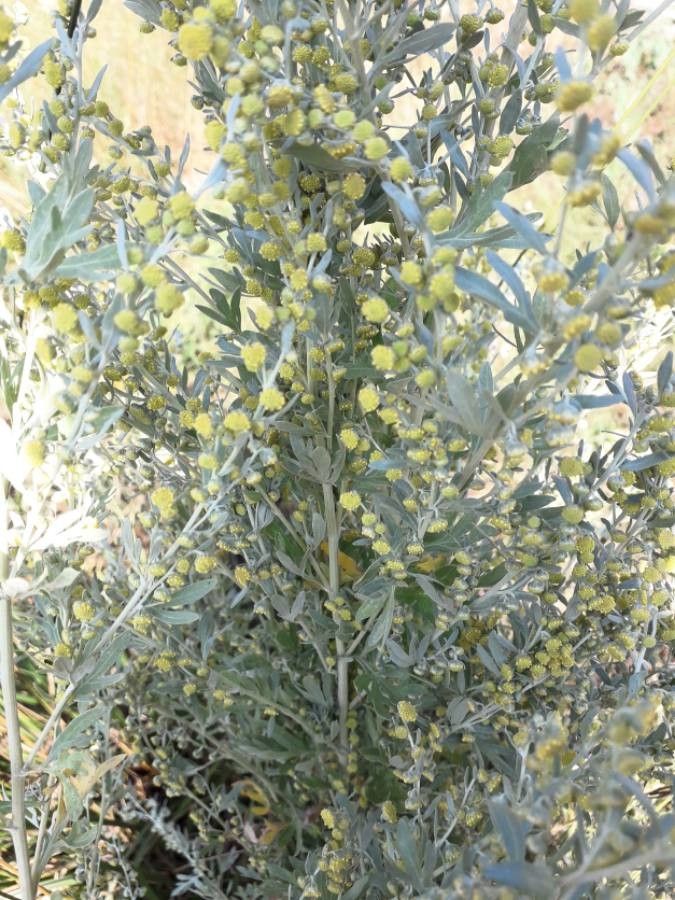
Conquering the Green Dragon: How to Propagate Wormwood (Artemisia absinthium)
You’ve probably heard of wormwood, the famous herb that gives absinthe its potent punch. But did you know you can easily cultivate this fascinating plant at home? Wormwood, or Artemisia absinthium, is a hardy, silver-leaved herb that thrives in many climates. And the best part? It’s easy to propagate!
Today, we’re diving into the world of wormwood propagation, exploring both the traditional methods and some tips to ensure your success.
Growing from Seeds:
While possible, starting wormwood from seeds requires patience and a touch of nurturing. Here’s how:
- Timing is Key: Sow seeds indoors 6-8 weeks before the last frost.
- Prepare the Ground: Fill seed trays with seed starting mix and gently press the seeds into the soil.
- Light and Water: Keep them moist and warm, and offer them bright, indirect sunlight.
- Thinning: Once seedlings sprout and have a few true leaves, thin them out, leaving the strongest seedlings.
- Hardening Off: Gradually acclimate them to outdoor conditions for a week or two before planting them out after the last frost.
A Faster Route: Propagation by Cuttings:
For faster results and a guaranteed match to your existing plants, propagation by cuttings is the way to go.
- Time it Right: Take cuttings in spring or early summer when the plant is actively growing.
- Clip & Clean: Choose healthy, non-flowering stems with good foliage. Cut them just below a node, the point where leaves sprout from the stem.
- Remove Lower Leaves: Remove the leaves that would be submerged in the rooting medium.
- Rooting Medium: Prepare a pot or tray with seed starting mix, or a suitable mix of perlite and vermiculite.
- Dip and Plant: Dip the cut ends of the cuttings in rooting hormone (optional but recommended). Then, plant each cutting into the rooting medium, making sure to leave enough space between them.
- Keep Moist & Bright: Keep the medium consistently moist but not soggy. Place the cuttings in a bright location, protected from direct sunlight.
- Patience and Patience: It can take 4-6 weeks for the cuttings to root. Watch for new growth, which signifies success!
A Few Tips for Success:
- Quality Matters: Use sharp, clean tools to avoid damaging the plant and promoting disease.
- Location is Key: Choose a sunny spot with well-drained soil for your newly propagated wormwood.
- Water Wisely: Wormwood prefers drier conditions. Allow the soil to dry slightly between waterings.
- Pest Control: Wormwood is generally pest-resistant, but be on the lookout for aphids and other common garden pests.
- Harvesting Wisdom: Traditionally, wormwood is harvested in the late summer, after the plant has flowered. But depending on your intended use, you can harvest foliage throughout the year.
Beyond the Garden:
- Medicinal Uses: Wormwood is renowned for its digestive benefits and is traditionally used to relieve indigestion, bloating, and other digestive discomforts.
- Aromatherapy: Wormwood essential oil is used in aromatherapy to promote relaxation and reduce stress.
- Culinary Delights (Use with Caution!): You may find wormwood in some liqueurs and digestives, but it’s important to use it sparingly due to its strong, bitter flavor.
From Seed to Self-Sufficiency
By mastering the art of propagation, you’ll be able to easily cultivate wormwood, a herb with a rich history and a variety of uses. So, get your hands dirty, and enjoy the satisfaction of growing your own potent, silver-leaved dragon.