
From Seed to Sanctuary: Propagating the Fragrant Field Wormwood
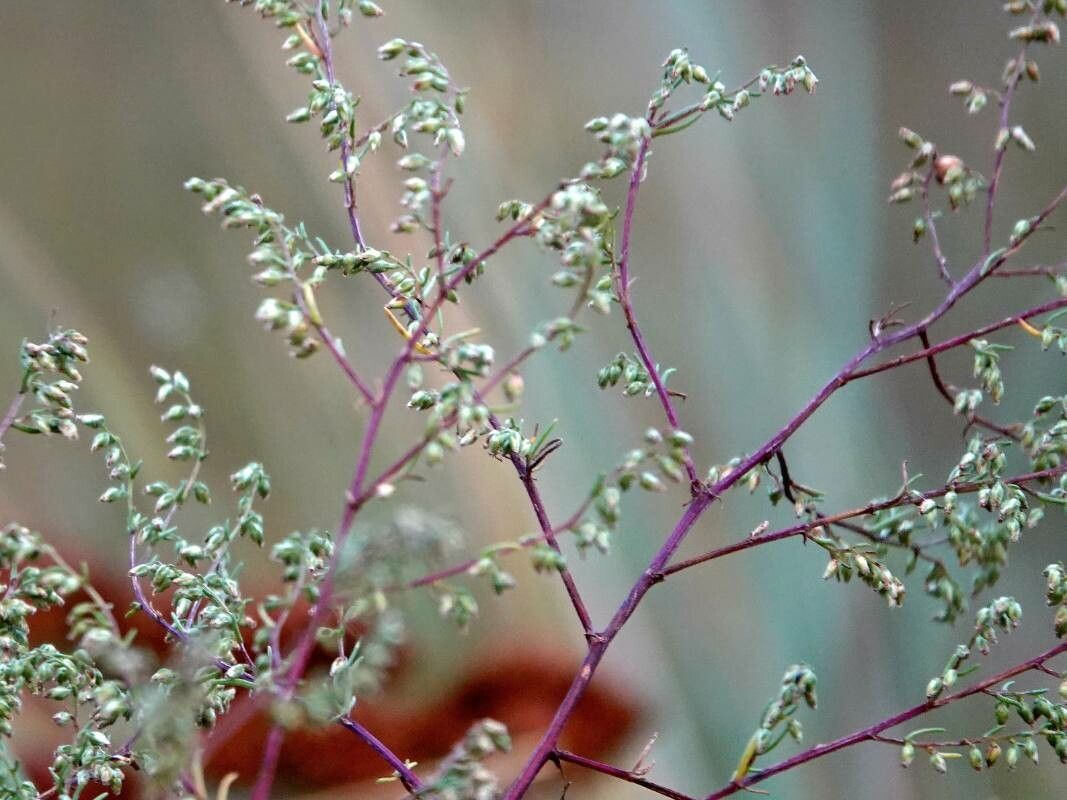
Artemisia campestris, commonly known as Field Wormwood, is a captivating herb with a rich history and a uniquely aromatic fragrance. This hardy perennial, native to Europe and Asia, is known for its silver-green foliage and delicate, yellow flower clusters. But did you know that growing Field Wormwood from seed or cuttings is a straightforward process, allowing you to enjoy its beauty and benefits in your own garden?
Seeds of Renewal: Starting from Scratch:
Propagating Artemisia campestris from seed is an excellent method for introducing this plant to your garden. Start by sowing seeds indoors in early spring, around 6-8 weeks before the last frost. Fill seed trays with a well-draining seed starting mix and lightly press the seeds into the soil. Mist the surface with water and cover the tray with a clear plastic dome or film to create a humid environment.
Keep the soil consistently moist, but avoid overwatering. Seeds typically germinate within 10-14 days at temperatures between 65-75°F. Once seedlings develop their first set of true leaves, transplant them into individual pots or directly into the garden after the last frost.
The Art of Cuttings:
Another popular method for propagating Field Wormwood is through cuttings. Take softwood cuttings from new growth in early summer, ideally when the plant is actively growing. Select healthy, non-flowering stems that are about 4-6 inches long.
Make a clean, sharp cut just below a node (the point where a leaf grows from the stem). Remove the lower leaves and dip the cut end in rooting hormone powder. Plant the cuttings in a pot filled with a well-draining potting mix, leaving the top two or three leaves exposed. Keep the soil consistently moist and place the pots in a bright, indirect light location.
Within a few weeks, roots should develop, and you can then transplant the new seedlings into the garden.
Cultivating a Sanctuary:
Field Wormwood thrives in locations with full sun and well-draining soil. It prefers a slightly alkaline soil pH. After planting, water deeply and regularly, especially during the first year. Once established, this plant is fairly drought-tolerant.
Artemisia campestris is a low-maintenance plant, but regular deadheading of spent flowers will encourage further blooming and a bushier growth habit. You can prune the plants in late winter or early spring to maintain their shape and size.
More than just Beauty:
The history of Field Wormwood is rich, with its uses dating back to ancient times. Traditional practices have utilized this herb for its medicinal properties, including its potential to aid digestion, reduce inflammation, and promote relaxation.
The plant’s strong, aromatic foliage, often described as camphoraceous and slightly bitter, has been utilized in various ways. Some distill its leaves for essential oil extracts, valued for their therapeutic benefits and unique scent. Dried leaves can also be incorporated into potpourris and infused into herbal teas.
Whether you choose to start from seeds or cuttings, growing Artemisia campestris offers a rewarding experience. Its beautiful foliage, fragrant scent, and historical significance make it a valuable addition to any garden. So, consider taking the plunge – you’ll soon discover why this hardy herb has captivated gardeners for centuries!