
Unlocking the Secrets of Rough Bedstraw: A Guide to Propagation
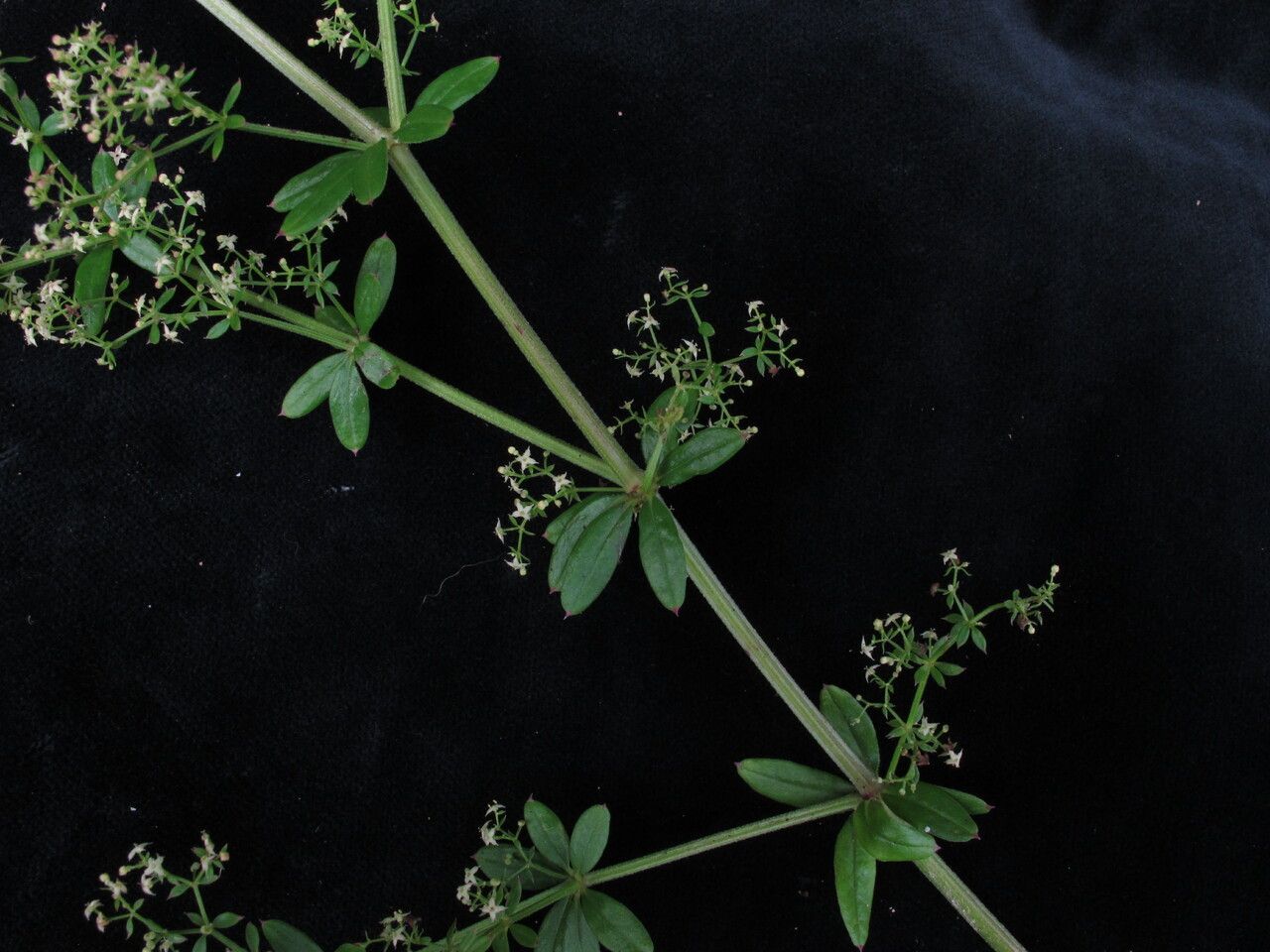
Galium asperifolium, commonly known as Rough Bedstraw, is a beautiful and hardy wildflower that adds a touch of charm to gardens and natural landscapes. This member of the Rubiaceae family boasts delicate white flowers with a unique “rough” texture, thanks to its slightly prickly leaves. If you’re looking to add this delightful plant to your garden, you’re in luck! Rough Bedstraw is surprisingly easy to propagate, allowing you to easily expand your collection or share this beauty with others.
The Power of Seeds:
One of the easiest methods for propagating Rough Bedstraw is by seed. Collected directly from mature plants, these tiny seeds are packed with potential. The best time to collect seed is in the late summer when the flower heads turn brown and dry. Gently shake the seed heads into a paper bag, allowing them to dry further. Once completely dry, you can remove the seeds by rubbing the flower heads between your fingers.
To sow the seeds, you can choose a well-drained pot filled with seed-starting mix or directly sow them in the garden in the spring. While seeds are small, they do germinate readily when planted in well-prepared soil. Be sure to keep the soil moist, but not waterlogged. Seedlings typically emerge within a few weeks.
A Simple Method: Dividing the Clumps
Another successful method for propagating Rough Bedstraw is division. This technique is ideal for established clumps that have grown too large. In early spring, carefully lift a clump of Rough Bedstraw from the ground. Gently separate the plant into smaller divisions, each with several stems and healthy roots.
Replant these divisions in fresh soil and water them thoroughly. Be sure to space them according to the plant’s mature size to prevent overcrowding. Once established, divided plants should bloom readily the following year.
The Elegance of Cuttings:
For a quicker propagation method, try taking stem cuttings. Choose healthy, non-flowering stems in the spring or early summer. Cut the stem just below a node (where leaves grow), making a clean cut with sharp shears. Remove the leaves from the lower half of the stem and dust the cut end with rooting hormone for extra support.
Plant the cuttings in a pot filled with a well-draining seed-starting mix. Keep the cuttings moist and in a bright, indirect light location. Within a few weeks, new roots should start to form.
A Few Tips for Success:
- Choose the Right Time: The best time to propagate Rough Bedstraw is in the spring or early summer when the plant is actively growing.
- Provide Adequate Moisture: Keep the soil consistently moist but not waterlogged. Overwatering can lead to root rot.
Offer Shade: While Rough Bedstraw thrives in sun, newly propagated plants benefit from a bit of shade during their establishment phase.
A Legacy of Beauty:
Rough Bedstraw is a delightful addition to any garden. With its delicate flowers and easy propagation, it’s a plant you can share with others and enjoy for years to come. Whether you choose seeds, division, or cuttings, the journey of growing your own Rough Bedstraw is an enriching and rewarding experience.