
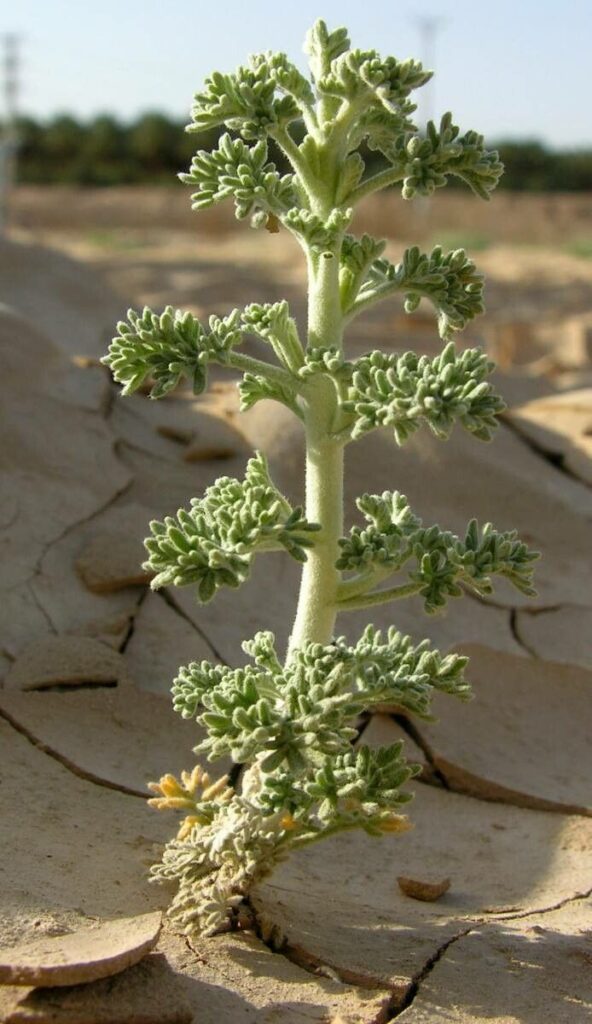
From One to Many: Propagating the Aromatic Artemisia Judaica
The world of plants isn’t just about admiring their beauty, but also appreciating their resilience and ability to spread. One such plant, Artemisia judaica, known for its silvery-green foliage and captivating fragrance, offers the chance to grow your own abundance from just a single cutting.
This blog post will delve into the fascinating world of propagating Artemisia judaica, explaining the methods and tips for success. Whether you’re a seasoned green thumb or a curious newbie, mastering propagation is a rewarding experience that allows you to enjoy the beauty and benefits of this herb for years to come.
The Art of Propagation: Why It’s Worthwhile
Propagation, a process that involves creating new plants from existing ones, is an invaluable technique for any plant enthusiast. Not only does it offer a way to multiply your favorite specimens, but it also allows you to:
- Preserve unique varieties: If you have a special Artemisia judaica with particular characteristics, propagation ensures its legacy continues.
- Save money: Rather than constantly purchasing new plants, propagation allows you to create your own stock for a fraction of the cost.
- Experience the joy of creation: There’s undeniable satisfaction in witnessing a cutting transform into a thriving plant.
Methods for Propagating Artemisia Judaica:
1. Stem Cuttings:
- Timing is Key: The best time for stem cuttings is during the spring or summer when growth is vigorous. Choose healthy, non-flowering stems.
- The Cut: Take a sharp, clean knife or pruning shears and make a clean cut just below a node (the point on the stem where a leaf grows).
- Prepare the Cutting: Remove any lower leaves that would be submerged in the rooting medium.
- Root Hormone (Optional): Dip the cut end of the stem in rooting hormone for a boost.
- Rooting Medium: Plant your cuttings in a mixture of equal parts peat moss and perlite, ensuring the cut end is covered.
- Water and Light: Water the cutting thoroughly, then place it in a bright location that receives indirect sunlight.
- Patience is Key: It can take 4-6 weeks for roots to form, so be patient.
2. Division:
- Time for Separating: Fall or early spring are ideal times for dividing Artemisia judaica plants.
- The Process: Carefully dig up the established plant and gently separate it into smaller sections, ensuring each section has healthy roots and shoots.
- Replanting: Plant the divided sections in their new pots or the garden, ensuring there’s space for them to grow.
- Water Well: Give your newly divided plants a good watering to help them settle in.
Tips for Success:
- Sterilize Tools: To prevent disease, always sterilize your tools with rubbing alcohol before taking cuttings or dividing plants.
- Choose Healthy Plants: Selecting strong, healthy plants will increase your propagation success rate.
- Humidity and Shade: Maintaining a high humidity level around cuttings will help encourage root development. You can achieve this by using a humidity dome or covering the cutting with a plastic bag.
- Monitor for Roots: Regularly check the cuttings to see if they are developing new growth, which indicates successful rooting.
- Repotting: Once the cuttings are established, transplant them into larger pots with fresh potting mix.
Beyond Propagation: The Delightful Artemisia Judaica
Artemisia judaica, also known as “Wormwood” or “Judean Wormwood,” offers more than just its captivating foliage. Its aromatic properties make it a popular herb for:
- Repelling Insects: Attract beneficial insects and deter pests with its strong fragrance.
- Culinary Use: The leaves have a bitter flavor that can be used in small quantities in salads, sauces, and other dishes.
- Medicinal Properties: For centuries, it has been used in traditional medicine for its digestive and anti-inflammatory properties.
With its ease of propagation and myriad benefits, Artemisia judaica is a delightful addition to any home garden. So, dive into the rewarding world of plant propagation and experience the joy of multiplying this fragrant and versatile herb!