
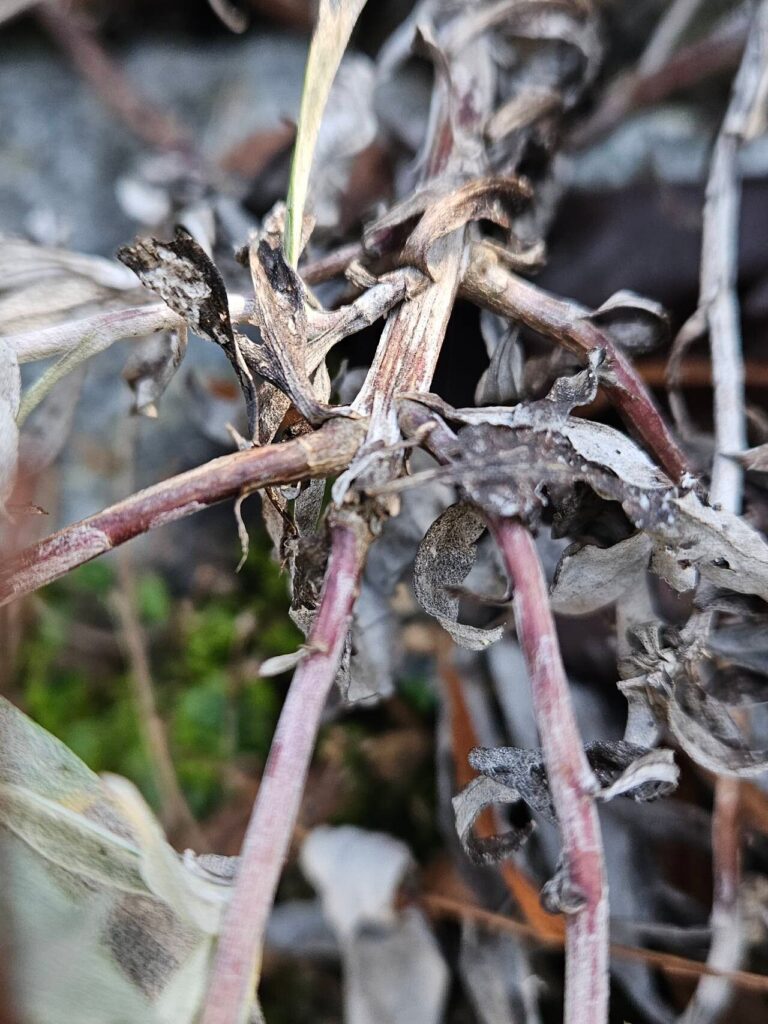
Propagating White Sage (Artemisia ludoviciana): A Gardener’s Guide
Introduction:
Artemisia ludoviciana, commonly known as White Sage or Louisiana Sage, is a highly valued perennial herb prized for its silvery-grey foliage, aromatic scent, and drought tolerance. Its aesthetic appeal makes it a popular choice among gardeners for borders, rock gardens, and even xeriscaping projects. Unlike some Artemisia species, White Sage’s propagation can present some unique challenges, making successful cultivation all the more rewarding. While propagation via seed is possible, other methods like cuttings and division often prove more reliable and efficient for the home gardener.
Seed Germination:
Seed germination for Artemisia ludoviciana is possible, but it’s notoriously unreliable and often yields unpredictable results. Fresh seeds have the best chance of germinating, but even then, success isn’t guaranteed. Challenges include low germination rates, susceptibility to damping-off (fungal disease), and slow growth in the seedling stage.
Practical Tips:
- Stratification: While not strictly required, cold stratification (chilling seeds for several weeks at near-freezing temperatures) may slightly improve germination rates.
- Sowing Techniques: Sow seeds thinly in well-draining seed-starting mix. Maintain consistently moist (but not soggy) conditions and provide ample light.
- Rewards: The primary reward from seed propagation is the potential for increased genetic diversity within your collection. However, this method is not ideal for large-scale propagation due to the unpredictability of germination.
Cuttings:
Propagating White Sage via cuttings is a significantly more reliable method than seed germination. Semi-hardwood cuttings taken in late summer or early fall generally produce the best results.
Practical Tips:
- Cutting Selection: Choose healthy, non-flowering, 4-6 inch stems. Remove lower leaves, leaving a few at the top.
- Hormone Treatment: Dipping cuttings in rooting hormone can significantly improve success rates.
- Planting Medium: Use a well-draining mix of perlite and peat moss or a commercially available rooting mix. Maintain consistent moisture.
- Environmental Conditions: Provide bright, indirect light and maintain a humid environment (e.g., using propagation dome or humidity tray).
- Rewards: Cuttings offer a high success rate and allow for the quick propagation of a desirable plant clone, preserving specific traits.
Division:
Division is another effective method for propagating established Artemisia ludoviciana plants. This is best done in spring or fall when the plant is actively growing or entering dormancy.
Practical Tips:
- Plant Selection: Choose a mature, healthy plant that has formed a substantial root system.
- Division Process: Carefully dig up the plant and gently separate it into several divisions, ensuring each division has healthy roots and shoots.
- Replanting: Replant the divisions immediately, ensuring proper spacing and watering.
- Rewards: Division offers a simple, reliable method for increasing the number of plants and is often successful for gardeners with established plants.
Tissue Culture:
Tissue culture is a highly specialized technique that is generally not practical for home gardeners. It requires a sterile laboratory environment and specialized equipment. While theoretically possible for Artemisia ludoviciana, it’s not a viable option for most amateur propagators.
Conclusion:
Propagating Artemisia ludoviciana presents a mix of challenges and rewards. While seed propagation offers the potential for genetic diversity, it’s significantly less reliable than cuttings or division. Cuttings provide the highest success rate for cloning desirable traits, and division offers a simple method for multiplying existing plants. The unique satisfaction of successfully propagating White Sage lies in overcoming these challenges. The rewarding silvery foliage and delightful scent of a plant propagated by your own hand makes the effort profoundly satisfying. Whether you choose cuttings, division, or even take a chance with seeds, embrace the process and celebrate the successes. With patience and the right techniques, you’ll be able to enjoy the beauty and fragrance of this remarkable herb for years to come.