
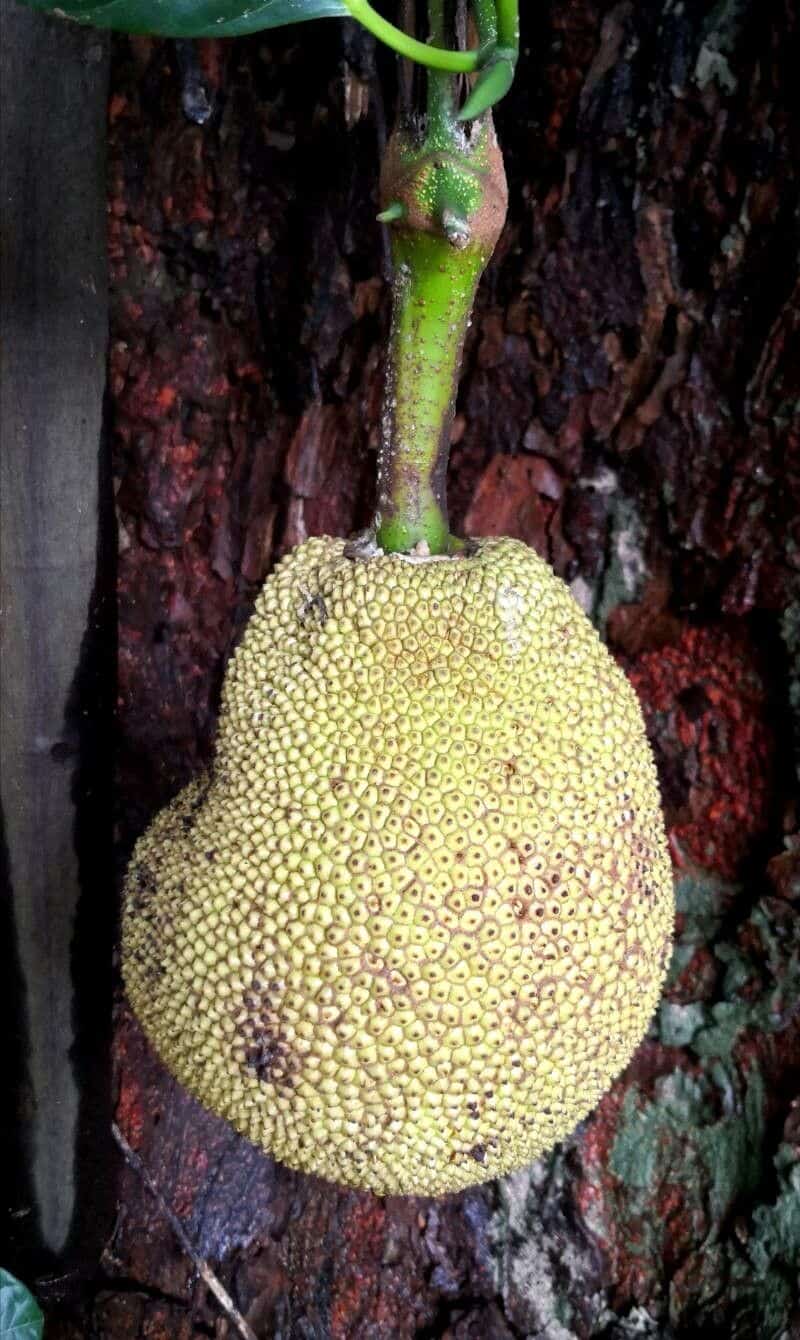
Unlock the Secrets of Cempedak: A Guide to Propagating this Tropical Treat
The cempedak (Artocarpus integer), a lesser-known relative of the jackfruit, is a tropical fruit tree boasting a unique aroma and delightful flavor. Imagine sinking your teeth into its sweet, custardy flesh – a taste sensation you won’t soon forget! If you’re lucky enough to live in a suitable climate (USDA Zones 10-12) or have a sunny indoor haven, you might be dreaming of growing your own cempedak tree. The good news is, propagating this exotic beauty is achievable with a little patience and the right know-how. Let’s explore the two main methods:
1. Seeding the Future: Propagating Cempedak from Seed
The most accessible method for most enthusiasts is starting from seed. Here’s a step-by-step guide:
- Source fresh seeds: Obtain ripe cempedak fruits and extract the seeds. It’s crucial to use fresh seeds as they have a higher germination rate.
- Prepare the seed: Clean off any clinging fruit pulp and soak the seeds in lukewarm water for 24 hours. This helps soften the outer layer and encourages germination.
- Choose your growing medium: A well-draining seed starting mix or a blend of peat moss and perlite works well.
- Plant the seeds: Sow your seeds about an inch deep in small pots, keeping the soil consistently moist but not waterlogged.
- Be patient & provide warmth: Place the pots in a warm, brightly lit location but away from direct sunlight. Germination can take anywhere from 3 weeks to several months, so keep the faith!
Pros of Seed Propagation:
- Readily available: Cempedak seeds are easier to find than grafted saplings.
- Rewarding experience: Witnessing the entire growth cycle from seed to fruit is incredibly satisfying.
Cons of Seed Propagation:
- Time-consuming: It takes longer for trees grown from seed to produce fruit, potentially 5-8 years.
- Variability: Characteristics of the fruit, like size and flavor, can vary compared to the parent tree.
2. A Faster Route: Propagating Cempedak from Grafting
Grafting, a horticultural technique of joining parts of two plants, offers a faster path to fruit-bearing trees. While slightly more advanced, it’s attainable with practice:
- Obtain a rootstock: Seedlings of related species like jackfruit or breadfruit serve as suitable rootstocks for cempedak.
- Select scion wood: Choose healthy branches from a mature, fruit-bearing cempedak tree. The scion wood should be about 4-6 inches long with several buds.
- Grafting methods: The most common techniques for cempedak are wedge grafting and cleft grafting. Numerous resources offer detailed instructions and visuals available online.
- Aftercare is key: Wrap the graft union with grafting tape and provide a humid environment for the graft to heal. This can be achieved by covering the grafted plant with a plastic bag or placing it in a humidity chamber.
Pros of Grafting:
- Preserved characteristics: The grafted tree will bear fruit identical to the parent tree from which the scion wood was taken.
- Faster fruiting: Grafting significantly reduces the time to harvest, with fruit potentially appearing in 2-3 years.
Cons of Grafting:
- Requires more skill: Grafting is a technique that benefits from practice and precision.
- Sourcing scion wood: Finding a mature cempedak tree to obtain scion wood might be challenging.
No matter your chosen method, propagating your own cempedak tree is a deeply rewarding endeavor. Not only will you enjoy the satisfaction of cultivating this unique fruit, but you’ll also be adding a touch of the tropics to your own backyard or indoor oasis. So, roll up your sleeves, and get ready to embark on your cempedak growing adventure!