
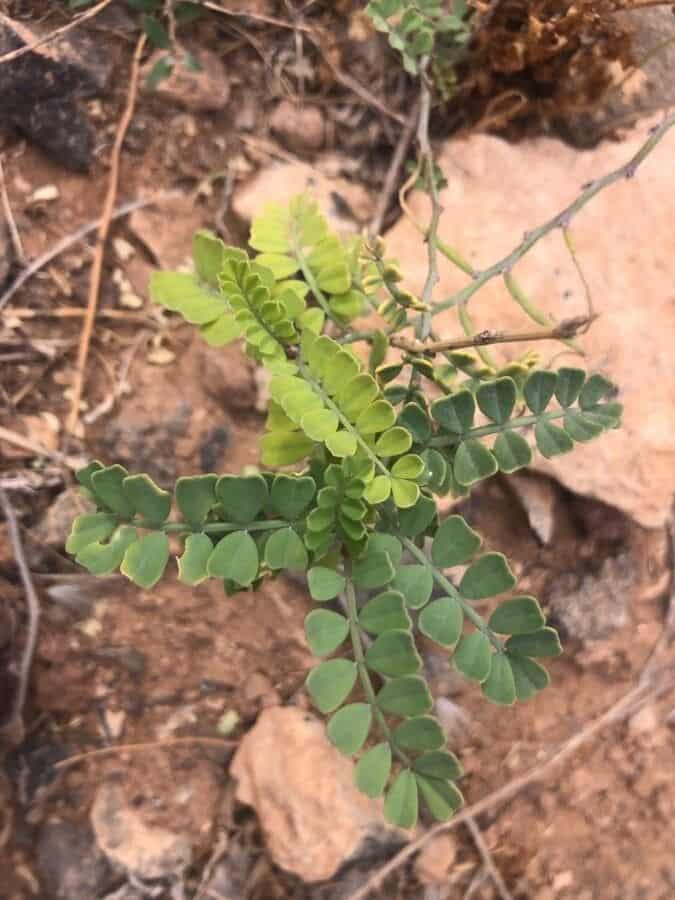
Unlocking the Secrets of Coronilla Viminalis: A Guide to Propagation
Coronilla viminalis, with its charming, pea-like blooms and graceful foliage, is a sight to behold. This Mediterranean gem, also known as the Broom Crown Vetch, brings a touch of sunny charm to gardens with its vibrant yellow flowers and attractive, semi-evergreen foliage. If you’re smitten with this delightful plant (and who wouldn’t be?), you might be wondering about the best ways to propagate it. Luckily, Coronilla viminalis is surprisingly easy to multiply, allowing you to expand your garden’s beauty or share its cheer with fellow plant enthusiasts.
Let’s explore the two most effective methods for propagating Coronilla viminalis:
1. Seed Starting: Sowing the Seeds of Success
Spring is the ideal time to embark on your Coronilla viminalis propagation adventure using seeds. Follow these steps to maximize your chances of success:
- Seed Collection: Harvest mature seed pods from an existing Coronilla viminalis plant. Look for pods that have turned brown and dry. Crack them open to reveal the small, brown seeds within.
- Seed Scarification: To enhance germination rates, consider scarifying the seeds. This involves gently rubbing them between two pieces of sandpaper or nicking them with a sharp knife. Scarification helps break down the seed coat, allowing moisture to penetrate more easily.
- Sowing the Seeds: Prepare a seed tray or small pots filled with a well-draining seed starting mix. Sow the seeds about 1/4 inch deep and water them gently.
- Providing Optimal Conditions: Place the seed tray in a warm, bright location, out of direct sunlight. Maintaining a consistent temperature of around 65-70°F (18-21°C) will encourage germination.
- Transplanting: Once the seedlings develop a couple of sets of true leaves and are large enough to handle, transplant them into individual pots or directly into your garden.
Tip: Soaking the seeds in warm water for 24 hours before sowing can also help soften the seed coat and improve germination rates.
2. Taking Cuttings: Cloning Your Beloved Plant
Another effective method for propagating Coronilla viminalis is through semi-hardwood cuttings. This method is best carried out in late summer:
- Choosing the Right Cuttings: Select healthy, non-flowering stems from the current year’s growth. Ideally, the cuttings should be about 4-6 inches long and have at least two sets of leaves.
- Preparing the Cuttings: Remove the lower leaves from the cutting, leaving only the top pair. Dip the cut end in rooting hormone to encourage root development (this step is optional but recommended).
- Planting the Cuttings: Fill small pots with a well-draining potting mix and make a hole in the center with a pencil or your finger. Insert the cutting into the hole, ensuring that the leaf nodes (where the leaves were attached) are buried beneath the soil surface.
- Creating a Humid Environment: To create the perfect humid environment for root development, enclose the pots in a clear plastic bag or use a propagator. This helps retain moisture and promotes faster rooting.
- Patience is Key: Keep the cuttings in a bright location, out of direct sunlight. It may take several weeks for roots to form. Once you notice new growth, you can gradually acclimate the cuttings to outdoor conditions before transplanting them.
A Rewarding Endeavor
Propagating Coronilla viminalis, whether by seed or cuttings, is a rewarding experience for gardeners of all levels. With a little patience and care, you can easily multiply these charming plants and enjoy their cheerful blooms and attractive foliage for years to come. So why not give propagation a try? You might just discover a newfound passion for multiplying your favorite plants.