
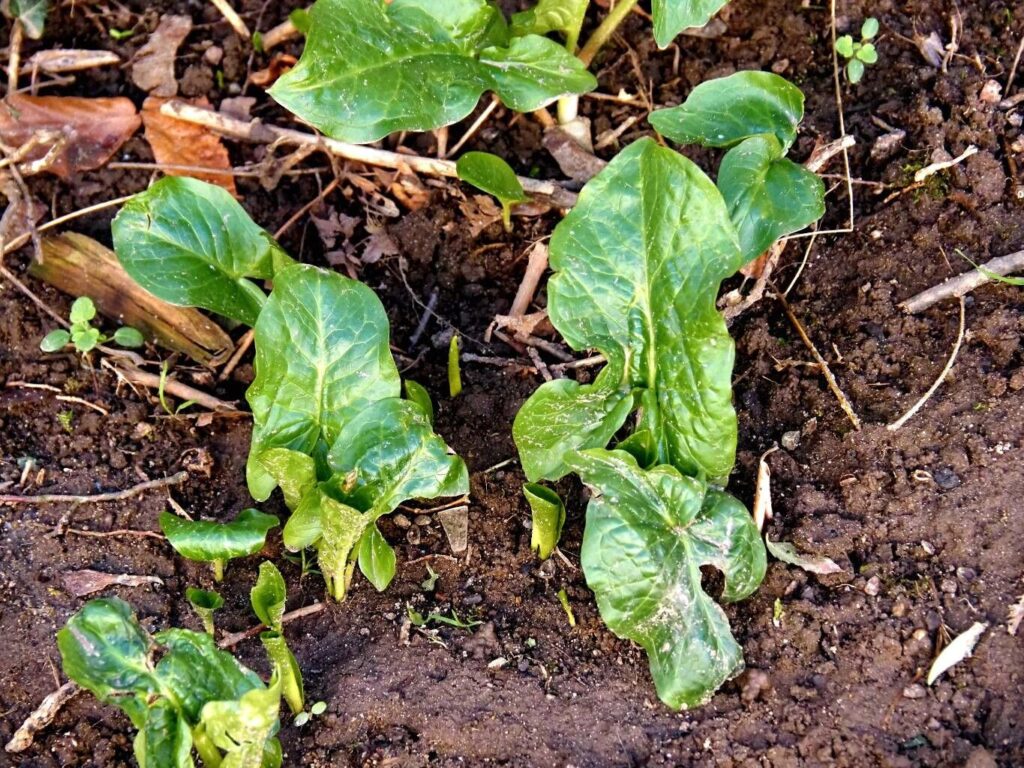
Propagating Arum cylindraceum: A Gardener’s Challenge
Introduction:
Arum cylindraceum, also known as the long-stalked arum or pigtail arum, is a striking and unusual plant prized for its distinctive, elongated spadix partially enclosed by a hooded spathe. Its dark, almost purplish-black spadix contrasts beautifully with its lighter green spathe, making it a captivating addition to shade gardens and woodland settings. While not as ubiquitous as some other aroids, its unique features have earned it a dedicated following amongst gardeners. However, its propagation presents a series of interesting challenges, making successful cultivation from seed or cuttings a rewarding experience for the ambitious plant enthusiast.
Seed Germination:
Currently, there are no known reliable methods for seed germination propagation of Arum cylindraceum. While the plant produces seeds, their germination rate is notoriously low, and successful germination in a home or even professional setting has yet to be consistently documented. Further research is needed to determine optimal germination conditions, if any exist.
Cuttings:
Cuttings are also largely improbable for Arum cylindraceum. This plant, like many aroids, doesn’t readily produce adventitious roots from stem or leaf cuttings. Experiments have yielded minimal success, suggesting this method is not a practical or reliable approach to propagation.
Division:
Division is the most reliable method for propagating Arum cylindraceum. This involves carefully separating the plant’s rhizomes (underground stems) during dormancy (generally late autumn or early spring).
- Challenges: The rhizome system can be delicate, and careless division can damage the plant, leading to failure. Furthermore, ensuring each division has sufficient root material and actively growing buds is crucial for success.
- Practical Tips: Use a sharp, clean knife or spade to divide the rhizome, ensuring each division has a healthy portion of root and at least one growing point. Plant the divisions immediately into well-drained, humus-rich soil in a shaded location. Water thoroughly after planting.
- Rewards: Division offers a simple and effective way to increase your stock of Arum cylindraceum. It’s a relatively quick method, resulting in established plants more swiftly than other techniques, allowing rapid expansion of the plant in a garden.
Tissue Culture:
Tissue culture, while theoretically possible, is not a readily accessible method for amateur gardeners. This method requires specialized equipment, a sterile environment, and a significant level of expertise in plant tissue culture techniques.
- Challenges: Establishing sterile cultures and developing appropriate growth media for Arum cylindraceum requires specialized knowledge and resources. The process is time-consuming and requires careful monitoring.
- Practical Tips: This method is best suited for professional plant nurseries or research institutions.
- Rewards: Tissue culture allows for large-scale propagation and the rapid production of disease-free plants. It presents a pathway for improving the propagation of challenging species like Arum cylindraceum but is a far greater undertaking.
Conclusion:
Propagating Arum cylindraceum presents unique challenges. Seed germination and cuttings appear unviable based on current knowledge. Division is the most practical approach for most gardeners, but even this requires care and finesse. While tissue culture might offer solutions in the future, its complexity currently limits its application.
The satisfaction derived from successfully propagating this intriguing plant is amplified by the difficulties involved. Each new plant grown from a rhizome division represents a small victory, a testament to patience, attention to detail, and an understanding of this plant’s unique characteristics. For those willing to embrace the challenge, the rewards of cultivating this extraordinary plant are well worth the effort. Don’t be discouraged by the initial hurdles – start with division and learn as you grow. The beauty of Arum cylindraceum will surely reward your perseverance.