
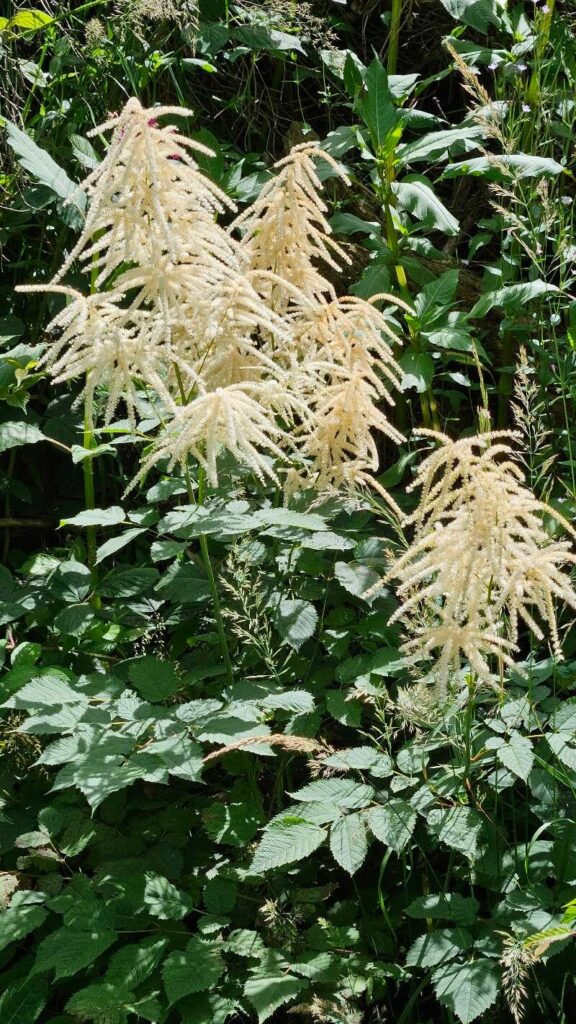
Unleash the Fluffy Power: Propagating Goatsbeard (Aruncus dioicus) for a Majestic Garden
Goatsbeard (Aruncus dioicus), with its dramatic plumes of creamy-white flowers soaring above fern-like foliage, brings an air of majestic elegance to any garden. This long-lived perennial is a true showstopper, and luckily for gardening enthusiasts, propagating it yourself is surprisingly achievable, even for beginners.
Diving into the world of Goatsbeard Propagation
While buying established plants is always an option, propagating your own Goatsbeard allows you to multiply your floral bounty without breaking the bank. There are two primary methods to achieve this:
-
Division: This method, best carried out in early spring or fall, is the easiest and most common way to propagate Goatsbeard. Here’s a step-by-step guide:
- Digging Deep: Carefully lift a mature Goatsbeard plant from the ground using a garden fork. Ensure you dig a wide circle to avoid damaging the plant’s roots.
- Divide and Conquer: Gently tease apart the plant’s root system with your hands, separating it into smaller sections. Each section should have a healthy clump of roots and shoots attached.
- Replanting: Choose a well-drained location with partial shade and prepare the soil with compost. Replant the divided sections, ensuring their crowns are level with the soil surface. Water generously.
- Growing from Seed: This method requires a bit more patience but offers a rewarding experience for adventurous gardeners.
- Harvesting the Bounty: In late summer, collect seeds from the dried flower plumes of your Goatsbeard.
- Cold Stratification: Goatsbeard seeds benefit from cold stratification to encourage germination. You can achieve this naturally by sowing seeds directly outdoors in fall or by mimicking the process indoors. Mix the seeds with a moist (not wet) seed starting mix, place the mixture in a sealed plastic bag, and store it in the refrigerator for 4 – 6 weeks.
- Sowing Time: After stratification, sow seeds in pots filled with well-draining seed starting mix. Indoor sowing works best in late winter or early spring, while outdoor sowing can take place after the last frost.
- Patience is Key: Keep the soil consistently moist and provide adequate light. Germination can be slow and erratic, taking anywhere from a few weeks to a few months.
Tips for Success:
- When dividing, choose healthy, mature plants for best results.
- Ensure good air circulation around newly planted divisions and seedlings to prevent fungal diseases.
- Goatsbeard prefers consistently moist but well-drained soil. Water regularly, especially during dry spells.
- Be patient! It may take a year or two for divided plants and seedlings to achieve their full, blooming glory.
A Garden Reward Worth the Effort:
Successfully propagating your own Goatsbeard offers a sense of accomplishment and provides you with stunning plants to enhance your landscaping. Imagine these graceful giants gracing your shade garden, adding drama to borders, or even thriving in large containers on your patio. So why not roll up your sleeves, embrace the joy of propagation, and let the majestic beauty of Goatsbeard fill your garden?