
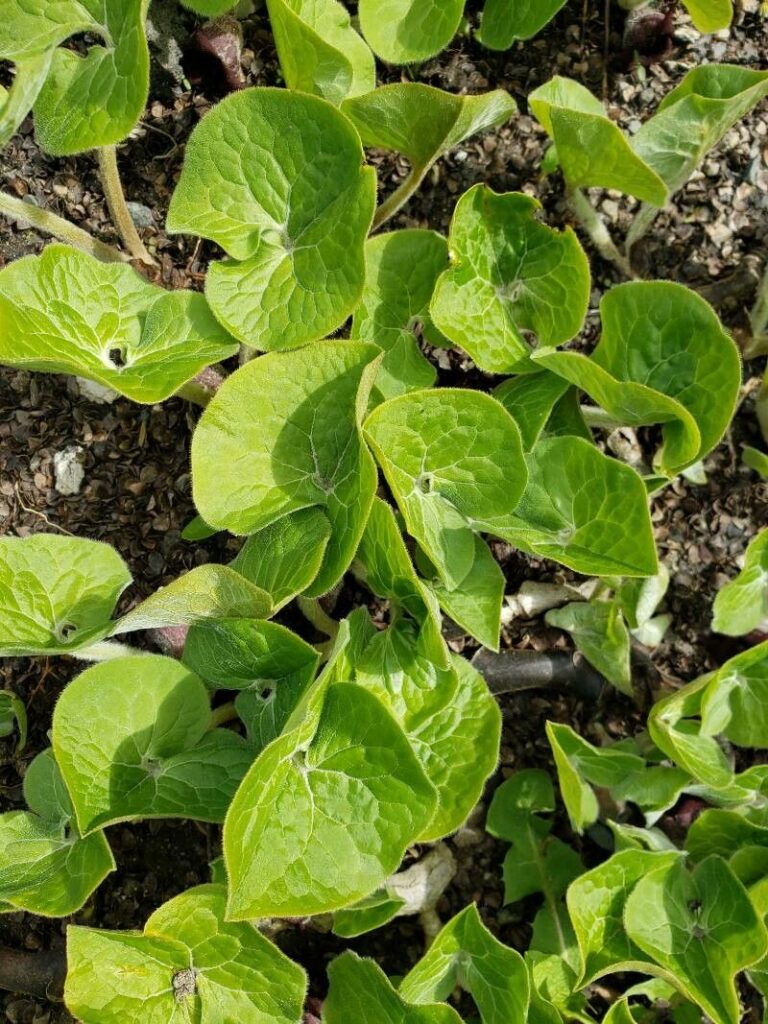
Unleashing the Wild Ginger: Propagating Asarum canadense
Asarum canadense, commonly known as wild ginger, is a charming woodland native cherished for its velvety, heart-shaped leaves and intriguing, hidden flowers. While acquiring this beauty from nurseries is possible, propagating your own patch allows you to connect with nature’s rhythms and spread this enchanting groundcover throughout your shady sanctuary.
Before diving in, understanding the life cycle of Asarum canadense is crucial. It spreads through rhizomes, underground stems that grow horizontally and sprout new shoots. This makes both division and seed propagation viable options.
Division: The Simplest Path to Propagation
Dividing established plants is the easiest and quickest method for propagating wild ginger. Here’s how:
- Timing is Key: Early spring, just as new growth emerges, or late fall after the foliage has died back, are the ideal times for division.
- Gentle Unearthing: Carefully dig around the plant, ensuring you capture the entire root system.
- Dividing with Care: Using a sharp, clean knife or spade, divide the rhizomatous clumps into sections. Ensure each section has a healthy portion of roots and at least one growth point, from which new shoots will arise.
- Replanting: Replant the divisions immediately in a well-prepared bed amended with compost. Space them about 12 inches apart to allow for expansion.
- Water Wisely: Keep the soil consistently moist but not soggy as the divisions establish.
Seed Propagation: A Labor of Patience and Love
Propagating from seed requires more time and patience, but it offers a rewarding experience and the chance to witness the plant’s entire life cycle.
- Seed Collection: Asarum canadense flowers are inconspicuous and bloom close to the ground. Look for their unique, three-petaled, jug-shaped blooms in spring and collect the seed capsules in early summer as they ripen and begin to split open.
- Cleaning & Cold Stratification: Gently remove the seeds from the capsules and clean off any debris. Wild ginger seeds require cold stratification to germinate. Mix the seeds with moist sand or vermiculite, and store them in a sealed bag in your refrigerator for at least 3 months.
- Sowing Time: Once the cold stratification period is complete, sow the seeds in seed trays filled with a well-draining seed starting mix.
- Patience is Key: Keep the trays consistently moist and in a cool, shaded location. Germination can be erratic and take anywhere from a few weeks to several months.
- Transplanting Triumph: Once the seedlings develop a few sets of true leaves and are large enough to handle, carefully transplant them to individual pots or directly into the garden.
Creating the Perfect Habitat for Your Wild Ginger
Whether you choose to propagate Asarum canadense through division or by seed, providing the right growing conditions is crucial for success:
- Shade Seekers: Wild ginger thrives in partial to full shade, mimicking its natural woodland habitat.
- Moist, Well-Drained Soil: Choose a location with humus-rich, moist soil that drains well. Amend heavy clay or sandy soils with compost to improve drainage and water retention.
-
Low-Maintenance Groundcover: Once established, Asarum canadense requires minimal care. A layer of leaf mulch in the fall helps retain moisture and mimics the plant’s natural environment.
Propagating your own wild ginger is a fulfilling endeavor that allows you to connect with nature’s intricate processes. It’s a testament to the patience and care that transform tiny seeds and rhizome divisions into a thriving patch of this enchanting woodland treasure. So why not embark on this rewarding journey and invite the charm of Asarum canadense to grace your shady haven?