
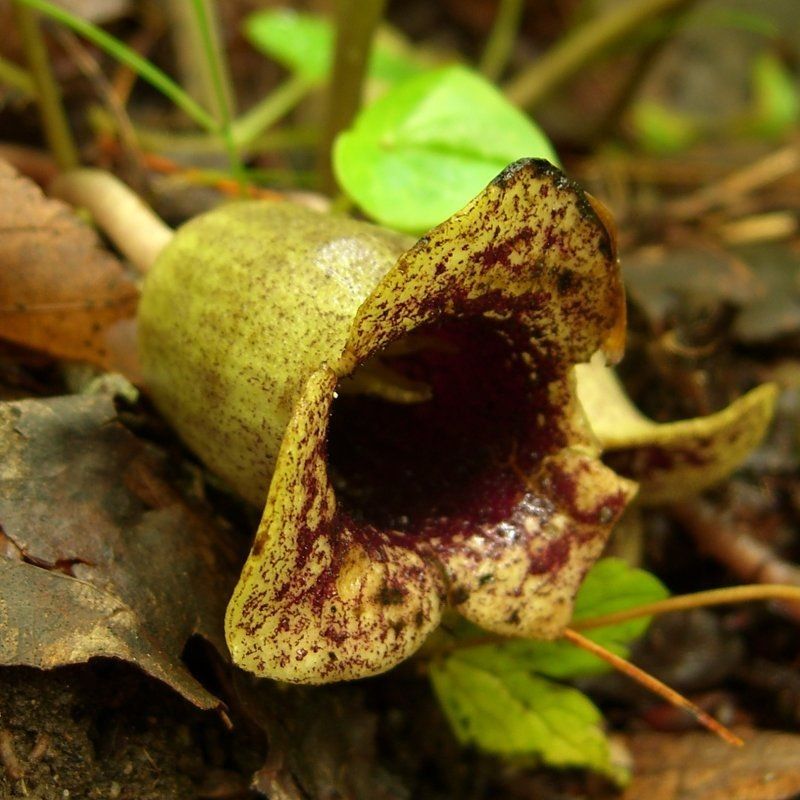
Unveiling the Secrets to Propagating Asarum heterophyllum: The Art of Growing Wild Ginger
Asarum heterophyllum, commonly known as wild ginger, is a captivating groundcover with its unique heart-shaped leaves and delicate, understated blooms. Its ability to thrive in shady conditions makes it an ideal choice for woodland gardens and naturalized areas. But even with its resilient nature, the thought of propagating wild ginger can seem daunting. Fear not! This blog post will delve into the secrets of propagating Asarum heterophyllum, turning you into a master propagator in no time.
The Magic of Division:
The most common and foolproof method for propagating Asarum heterophyllum is through division. This technique capitalizes on the plant’s tendency to form clumps over time. Here’s a step-by-step guide:
- Choose the right time: The best time to divide wild ginger is in early spring, just as new growth begins to emerge. This ensures the newly divided plants have adequate time to establish themselves before winter.
- Prepare the division: Carefully dig up the established clump using a garden fork or spade. Gently loosen the soil around the plant to avoid damaging the roots.
- Divide the clump: Using a sharp knife or pruning shears, carefully separate the clump into smaller divisions. Each division should have at least a few healthy roots and some foliage.
- Plant the divisions: Replant the divisions in a prepared bed with rich, well-drained soil. Space them according to the desired effect, typically 6-12 inches apart. Water thoroughly after planting.
The Art of Seed Propagation:
For those seeking a more challenging yet rewarding experience, seed propagation for Asarum heterophyllum is possible, though it requires patience and a knack for nurturing.
- Harvest the seeds: Collect ripe seed pods from the plant in late summer or early autumn. Once the pods turn brown and begin to split, the seeds are ready for harvesting.
- Sowing the seeds: Sow seeds directly in a well-prepared seed tray or outdoor bed in a cool, shaded location. Ensure the soil is moist and well-drained.
- Patience is key: Wild ginger seeds can take several months to germinate, so don’t despair if you don’t see results immediately. Patience is crucial for successful seed propagation.
- Transplanting: Once the seedlings have developed a few true leaves, they can be transplanted to their permanent location.
Tips for Success:
- Choose the right location: Wild ginger thrives in moist, shady conditions. Avoid planting them in full sun or very dry soil.
- Maintain moisture: Provide consistent moisture, especially during the establishment phase. Water deeply and regularly, but avoid overwatering.
- Mulch the soil: A layer of organic mulch can help retain moisture, suppress weeds, and regulate soil temperature.
- Patience and persistence: Propagation takes time, so be patient and persistent. Don’t be discouraged if your first attempts don’t yield immediate success.
The Rewards of Propagation:
Propagating Asarum heterophyllum can be a rewarding experience, allowing you to expand your wild ginger collection and share the beauty of this unique plant with others. Whether through division or seed propagation, the techniques outlined above will guide you on your journey to cultivating a thriving patch of wild ginger. So, don your gardening gloves, embrace the process, and watch as your efforts blossom into a vibrant tapestry of green foliage, adding a touch of wild beauty to your garden.