
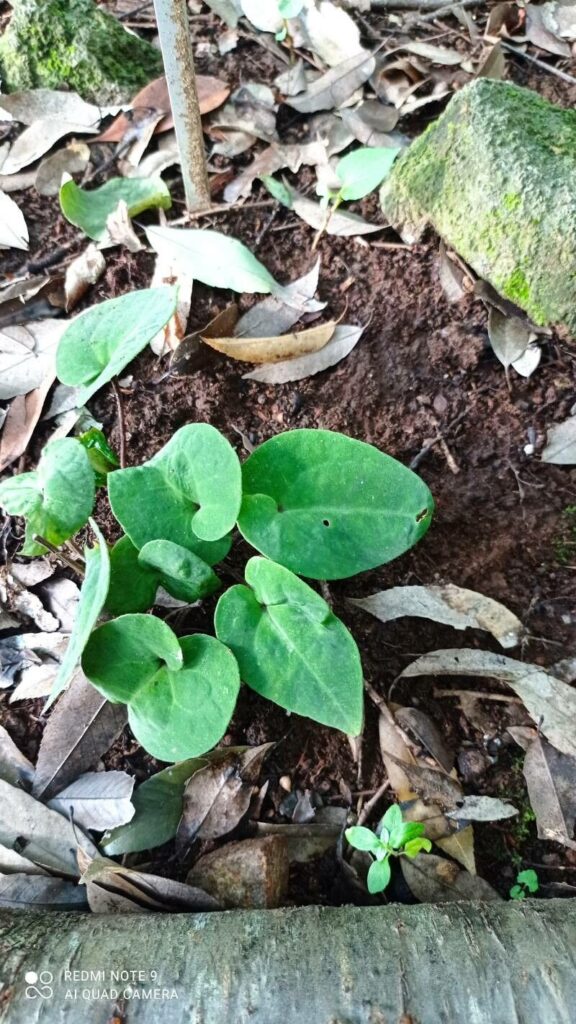
Propagating Asarum lutchuense: Unveiling the Secrets of the Lutchuense Wild Ginger
Asarum lutchuense, commonly known as Lutchuense wild ginger, is a captivating groundcover prized for its heart-shaped, marbled leaves and intriguing, dark-hued flowers nestled close to the ground. Its shade-tolerant nature and ability to thrive in moist, woodland settings makes it a highly sought-after plant among gardeners seeking to create naturalistic, low-maintenance landscapes. However, propagating this delightful plant presents unique challenges, making successful cultivation all the more rewarding.
Seed Germination:
Currently, there are no known reliable methods for seed germination propagation of Asarum lutchuense. While the plant produces seeds, germination rates are reportedly extremely low, even under ideal conditions. Further research is needed to determine optimal germination protocols, which may involve specific stratification needs or the use of growth hormones.
Cuttings:
Propagating Asarum lutchuense from cuttings presents significant difficulties. The plant’s slow growth rate and tendency to rot easily when wounded make stem or leaf cuttings highly unreliable. While some anecdotal evidence suggests potential success with root cuttings, the low success rate and lengthy rooting time make this method impractical for most home gardeners. Further investigation into specialized rooting hormones and propagation techniques may be needed.
Division:
Division is arguably the most practical method for propagating Asarum lutchuense. This involves carefully separating established clumps of the plant into smaller sections, each containing healthy roots and shoots. The challenges lie in ensuring each division has a sufficient root system to survive transplanting, and minimizing damage to the fragile roots.
- Challenges: The delicate root system makes division a delicate process; improper handling can severely damage the plant. Overcrowding also decreases the likelihood of successful propagation.
- Tips: Divide established clumps in early spring or late autumn, when the plant is dormant. Use a sharp, clean tool to avoid crushing the roots. Handle each division carefully, ensuring a healthy root mass with at least several shoots. Plant the divisions immediately after separation in a moist, well-drained soil mix similar to their original environment.
- Rewards: Division offers the simplest route to increase the number of plants, allowing gardeners to readily expand their existing Lutchuense Wild Ginger patches. The method maintains the plant’s genetic characteristics.
Tissue Culture:
Tissue culture presents a potential, albeit complex, method for large-scale propagation of Asarum lutchuense. This laboratory-based technique involves growing plantlets from sterile plant tissues in a controlled environment.
- Challenges: Establishing a sterile culture and finding the optimal medium and growth hormones can be quite challenging, demanding expertise and specialized equipment not readily accessible to most hobbyists. The procedures are time-consuming and require sterile and controlled environmental conditions.
- Tips: This method should be left to specialized nurseries or research institutions with the necessary infrastructure and experience.
- Rewards: Tissue culture offers potentially high propagation rates and the ability to produce large numbers of genetically uniform plants, particularly useful for commercial propagation.
Conclusion:
Propagating Asarum lutchuense is not for the faint of heart. While division provides the most accessible and reliable approach for home gardeners, success depends on careful handling and creating ideal planting conditions. Seed propagation and cuttings have proven largely unsuccessful, while tissue culture remains a highly specialized endeavor. The challenges, however, underpin the unique satisfaction derived from cultivating this plant. Witnessing the slow but steady growth of these rare and beautiful plants, born from careful division, provides a deep sense of accomplishment that is rarely matched. For aspiring propagators, patience, attention to detail, and a willingness to learn from trial and error are crucial assets on this enriching journey. Don’t be discouraged by initial setbacks; the rewards of successfully cultivating Lutchuense Wild Ginger are well worth the effort.