
Unveiling the Secrets of Propagating the Exquisite Butterfly Milkweed (Asclepias angustifolia)
The Butterfly Milkweed (Asclepias angustifolia), with its delicate, star-shaped blooms and graceful foliage, is a coveted treasure for any pollinator garden. This North American native not only enchants the eye but also serves as a vital host plant for Monarch butterflies and other beneficial insects.
If you’re eager to multiply your butterfly haven or share this botanical gem with friends, you’re in luck! Propagating Asclepias angustifolia, while slightly unconventional, is a rewarding endeavor achievable through two primary methods:
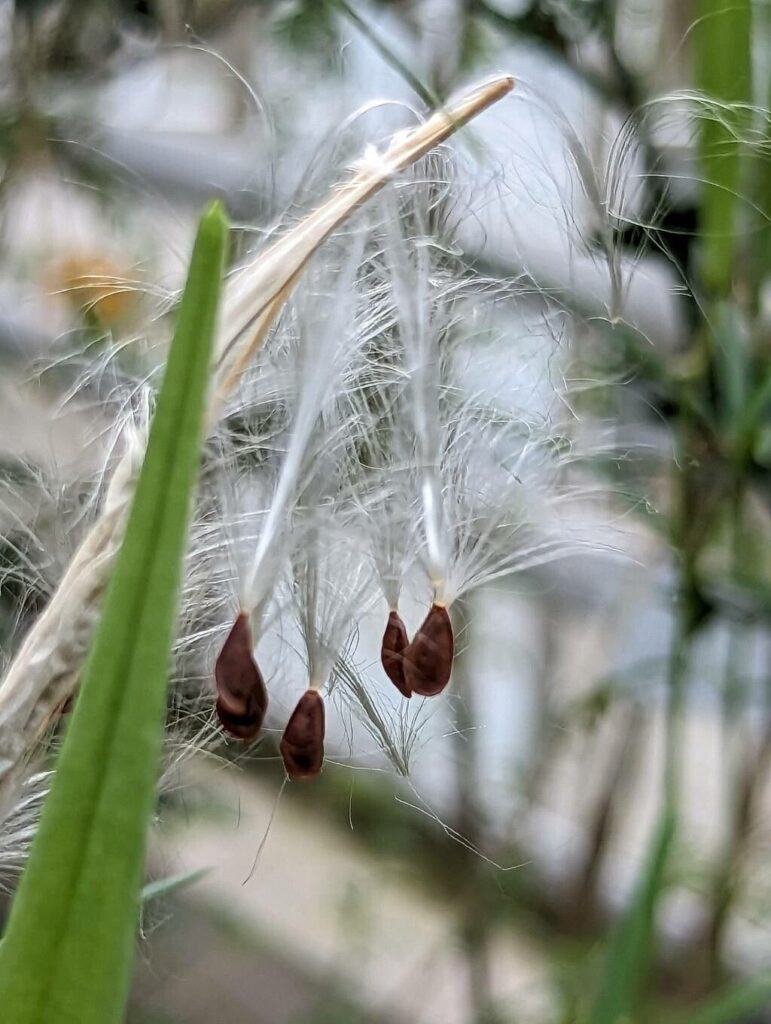
1. Seed Starting: A Journey of Patience and Reward
Timing is Key: The ideal time for sowing Asclepias angustifolia seeds is during the late fall or early winter months. This mimics the natural cycle of cold stratification these seeds require for successful germination.
Step-by-Step Guide:
- Cold Stratification: Place your seeds in damp paper towels within a sealed plastic bag and refrigerate for 30-60 days.
- Sowing: After stratification, sow the seeds in a well-draining seed starting mix, lightly pressing them into the surface.
- Warmth and Light: Provide a warm and bright location, avoiding direct sunlight. Maintain consistent moisture but avoid waterlogging.
- Patience is a Virtue: Germination can take anywhere from a few weeks to a couple of months. Be patient and continue providing optimal conditions.
2. Root Cuttings: A Faster Track to New Growth
For a quicker propagation method, root cuttings are an excellent choice, particularly during the plant’s dormant period in late fall or early winter.
Step-by-Step Guide:
- Careful Extraction: Gently unearth a mature Asclepias angustifolia plant, exposing a portion of the root system.
- Sectioning the Roots: Using a clean, sharp knife or shears, take 2-3 inch sections of the thicker, healthier roots.
- Potting the Cuttings: Place each root section horizontally in a well-draining potting mix, burying them about an inch deep.
- Creating Ideal Conditions: Keep the cuttings consistently moist and in a location with bright, indirect light.
- Signs of Success: Within several weeks, you should start to observe new growth emerging from the soil.
Unlocking the Secrets to Propagation Success
- Well-Draining Soil: Asclepias angustifolia thrives in well-drained soil. Amend heavy clay soils with organic matter to improve drainage.
- Sun-Kissed Location: Select a location that receives at least six hours of direct sunlight per day.
- Watering Wisely: While these plants tolerate some drought conditions once established, consistent moisture is crucial during the propagation and early growth stages.
- Pest and Disease Control: Be vigilant for common pests like aphids and treat them promptly with insecticidal soap or neem oil.
By embracing these techniques and understanding the unique needs of this captivating plant, you can propagate Asclepias angustifolia with confidence. Soon, you’ll be surrounded by a flourishing butterfly haven, adorned with the exquisite beauty of these remarkable milkweed plants.