
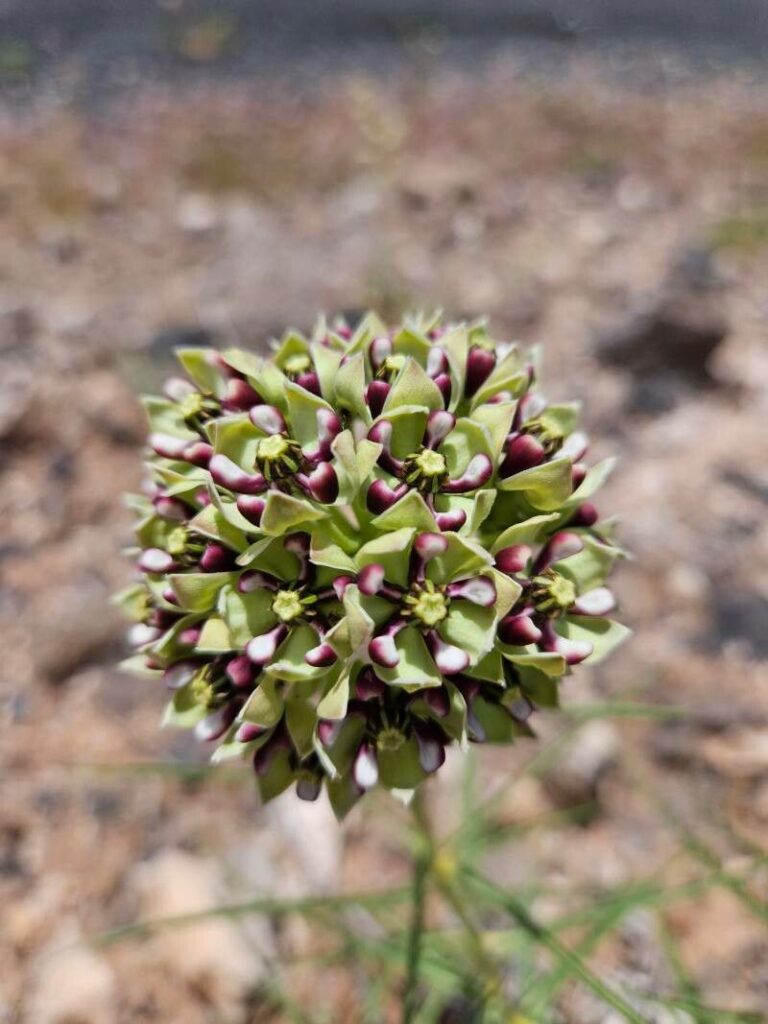
Butterfly Weed Bonanza: How to Propagate Asclepias asperula and Fill Your Garden with Monarch Magic
Asclepias asperula, commonly known as Antelope Horns or Butterfly Weed, is a vibrant and beloved plant, not just for its dazzling orange blooms but for its vital role in supporting monarch butterflies. If you’re keen to bring this crucial plant into your garden and share its beauty with the fluttering wings of monarchs, then propagation is the key!
Here we’ll explore the various methods for multiplying Asclepias asperula, empowering you to create a haven for monarchs and enjoy the stunning spectacle of these plants year after year.
Seeds of Hope: A Journey from Seed to Flower
The most common method for multiplying Asclepias asperula is through seeds. These tiny treasures are released from the seed pods after they ripen and dry out.
Here’s how to maximize your success:
- Collect Seeds: Gather mature seed pods that have turned brown and dry. These pods typically release their seeds when they are touched, so handle them gently to prevent seed loss.
- Prepare the Seeds: Remove the seeds from the pods, discard any debris, and spread them on a paper towel to dry for a few days.
- Sowing Time: Depending on your climate, you can sow seeds directly outdoors in autumn or spring. If you live in a colder region, sowing seeds indoors a few weeks before the last frost is recommended.
- Sowing the Seeds: Scatter the seeds on the soil surface of a seed tray or directly in your garden bed and cover them lightly with soil. Keep the soil consistently moist as seeds germinate slowly.
- Patience is Key: Seedlings may emerge in a few weeks, but some species can take up to a year to show up. Be patient and keep the seedlings watered regularly.
From Cutting to Thriving Plant: Vegetative Propagation
If you are eager to see results faster, and seek a more controlled propagation method, consider vegetative propagation through cuttings:
- Timing is Everything: Take stem cuttings in late spring or early summer when the plant is actively growing.
- Select Shoots: Choose healthy, non-flowering stems that are about 6 inches long.
- Cut and Prepare: Make a clean cut at a node, which is the point where leaves grow from the stem. Remove any leaves below the soil line.
- Rooting Hormone: Use rooting hormone powder or solution to stimulate root development.
- Potting Medium: Place the cuttings in a pot containing a mix of peat moss and perlite, or a readily available rooting mix.
- Moist Environment: Keep the soil consistently moist and place the pot in a bright, indirect light location.
Keep a close eye on your cuttings. With proper care, roots should start to develop within a few weeks.
Creating a Monarch Haven: Tips for Success
Whether you choose seeds or cuttings, remember to create a nurturing environment for your Asclepias asperula:
- Sunlight: This plant thrives in full sun, so choose a location that receives at least 6 hours of direct sunlight daily.
- Well-Drained Soil: Asclepias asperula prefers well-drained soil. Amend heavy clay soil with compost or sand to improve drainage.
- Water Wisely: Water regularly, especially during dry periods, but avoid overwatering.
- Fertilization: You can fertilize your Asclepias asperula with a balanced fertilizer, but it is not necessary.
From Seeds to Spectacular Blooms: A Journey of Growth and Joy
Asclepias asperula offers more than just striking orange blooms. It’s a haven for butterflies, a crucial food source for monarch caterpillars, and a testament to the power of nature’s interconnectedness. By mastering the art of propagation, you can nurture these plants, create a butterfly haven in your garden, and contribute to the conservation of monarch butterflies.
So, grab some seeds, cuttings, or a mature plant and embark on your own journey to cultivating a vibrant garden filled with the beauty and joy of Asclepias asperula!