
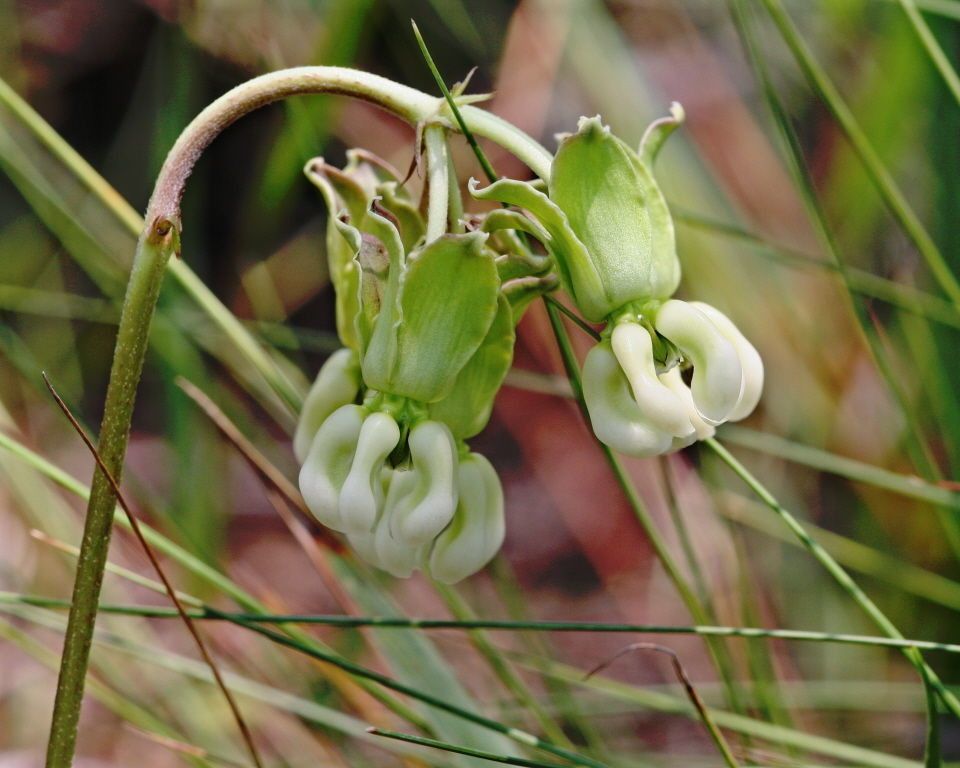
Taming the Swamp Milkweed: A Guide to Propagating Asclepias connivens
The Asclepias connivens, more commonly known as the Swamp Milkweed, is a fascinating and beautiful plant native to the southeastern United States. With its delicate pink blooms clustered atop tall stems and its importance as a host plant for Monarch butterflies, it’s no surprise that many gardeners are eager to welcome this beauty into their yards. But cultivating Swamp Milkweed isn’t as simple as tossing seeds in the ground. This article dives deep into the art of propagating Asclepias connivens, equipping you with the knowledge to successfully grow this rewarding plant.
Method 1: Starting from Seed (The Rewarding Challenge)
While potentially challenging, starting Asclepias connivens from seed offers a rewarding sense of accomplishment.
- Timing is Key: Late fall or early winter is the ideal time to sow seeds directly outdoors. This allows them to experience the natural stratification process (a period of cold exposure) essential for germination.
- Prepare the Seedbed: Choose a location with full sun to partial shade and well-draining, moist soil. Swamp Milkweed, as its name suggests, appreciates moisture but dislikes being waterlogged.
- Sowing the Seeds: Sow seeds on the soil surface and lightly press them in, ensuring they are well-covered.
- Patience is a Virtue: Germination can be erratic, taking anywhere from a few weeks to a couple of months.
Method 2: Root Cuttings (For the Impatient Gardener)
For a quicker and often more successful approach, root cuttings are a great option.
- Timing: Late fall or early spring is best for taking root cuttings.
- Taking the Cutting: Carefully dig up a mature plant and select healthy roots at least ¼ inch thick. Cut these roots into 2-3 inch sections.
- Preparing the Cuttings: Dip the cut ends in rooting hormone (optional, but helpful) and lay them horizontally in a tray filled with a well-draining seed starting mix. Cover the cuttings lightly with the mix.
- Creating the Right Environment: Place the tray in a warm location with bright, indirect light and keep the mix consistently moist but not soggy.
- Witnessing Success: With a bit of patience, you’ll see shoots emerge from the cuttings within a few weeks. Once they develop a good root system and are large enough to handle, you can transplant them to individual pots or your desired outdoor location.
Nurturing Your Swamp Milkweed
Once your Swamp Milkweed plants are established, be sure to:
- Water consistently: Keep the soil moist, especially during dry spells.
- Fertilize sparingly: Once or twice a year with a balanced fertilizer is sufficient.
- Deadhead spent blooms: This can encourage more flowering and prevent self-seeding, which can be prolific.
Reaping the Rewards
Propagating Asclepias connivens might require a touch of patience and dedication, but the reward is well worth the effort. With these tips and a bit of green-thumb magic, you can successfully cultivate these beauties in your own backyard, contributing to the well-being of Monarch butterflies and the biodiversity of your local ecosystem. And, of course, you’ll enjoy the breathtaking display of delicate pink blooms that grace this fascinating plant.