
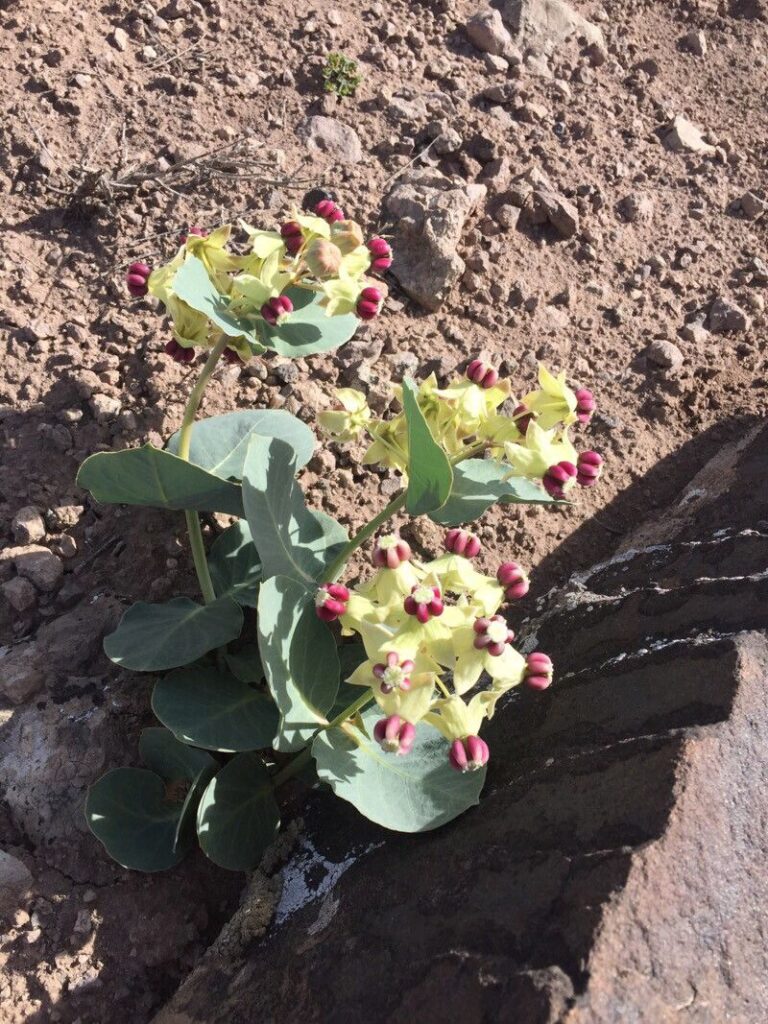
From Seed to Bloom: Propagating the Intriguing Asclepias cryptoceras
The Asclepias cryptoceras, also known as the “Cryptoceras Milkweed,” is a captivating plant that graces the landscape with its unique, horned seed pods and fragrant, pink flowers. But beyond its aesthetic appeal, this species plays a vital role in supporting pollinators, particularly the monarch butterfly. If you’re fascinated by this remarkable plant and want to cultivate your own patch of these beauties, propagation can be a rewarding and fulfilling experience.
Seeds: A Journey from Pod to Pot
Asclepias cryptoceras primarily propagates from seed. This method offers the greatest chance of success, especially for beginners. Here’s a step-by-step guide to start your journey with these special seeds:
- Harvesting: Once the seed pods turn brown and dry, gently twist them off the plant.
- Extraction: Carefully split open the pods and extract the seeds. You will see each seed attached to a silky parachute-like structure called a pappus.
- Cleaning: Gently remove any remaining pod debris and allow the seeds to air dry for a few days.
- Stratification: This crucial step mimics the natural winter conditions required for germination. Place the seeds in a sealed container filled with moist vermiculite or peat moss and store them in the refrigerator for 6-8 weeks.
- Sowing: After stratification, sow the seeds in individual pots filled with well-draining seed starting mix. Cover the seeds lightly with soil.
- Growing: Keep the soil moist and provide bright, indirect sunlight. Germination typically takes around two weeks.
A Note on Seed Viability: While fresh seeds have the highest chance of germination, you can also purchase commercially available seeds. However, remember that seed viability can decrease over time, so always choose recently collected or packaged seeds.
The Power of Cuttings:
For a faster propagation method, consider taking cuttings from established Asclepias cryptoceras plants. Follow these steps:
- Select: Choose healthy, non-flowering stems that are about 6-8 inches long.
- Cut: Make a clean cut just below a node (where leaves grow) and remove the bottom leaves.
- Treat: Dip the cut end in rooting hormone powder or liquid to stimulate root growth.
- Potting: Place the cutting into a pot filled with moistened rooting medium (a mix of peat moss and perlite is ideal). Cover the cutting with a transparent plastic bag or dome to create a humid environment.
- Maintain: Keep the rooting medium consistently moist and provide bright, indirect light. Rooting typically takes 4-6 weeks.
Considerations for Successful Propagation:
- Soil: Use loose, well-draining soil with good aeration. Avoid compacting the soil around the roots.
- Water: Keep the soil consistently moist during the growing season, but avoid overwatering.
- Sunlight: Provide at least 6 hours of sun exposure daily for optimal growth.
- Feeding: Fertilize your plants every few weeks during the growing season with a balanced fertilizer.
Beyond Propagation: A Plant with Purpose
Propagating Asclepias cryptoceras is not just about obtaining more plants; it’s about contributing to the vital ecosystem. Asclepias cryptoceras serves as a crucial food source and habitat for monarch butterflies. By cultivating these beautiful plants, you can support the dwindling monarch population and contribute to pollinator conservation.
Whether you embrace the patient process of seed propagation or the quicker route of cuttings, propagating Asclepias cryptoceras is a rewarding journey that enhances your landscape while creating a haven for valuable pollinators.